 Degchi
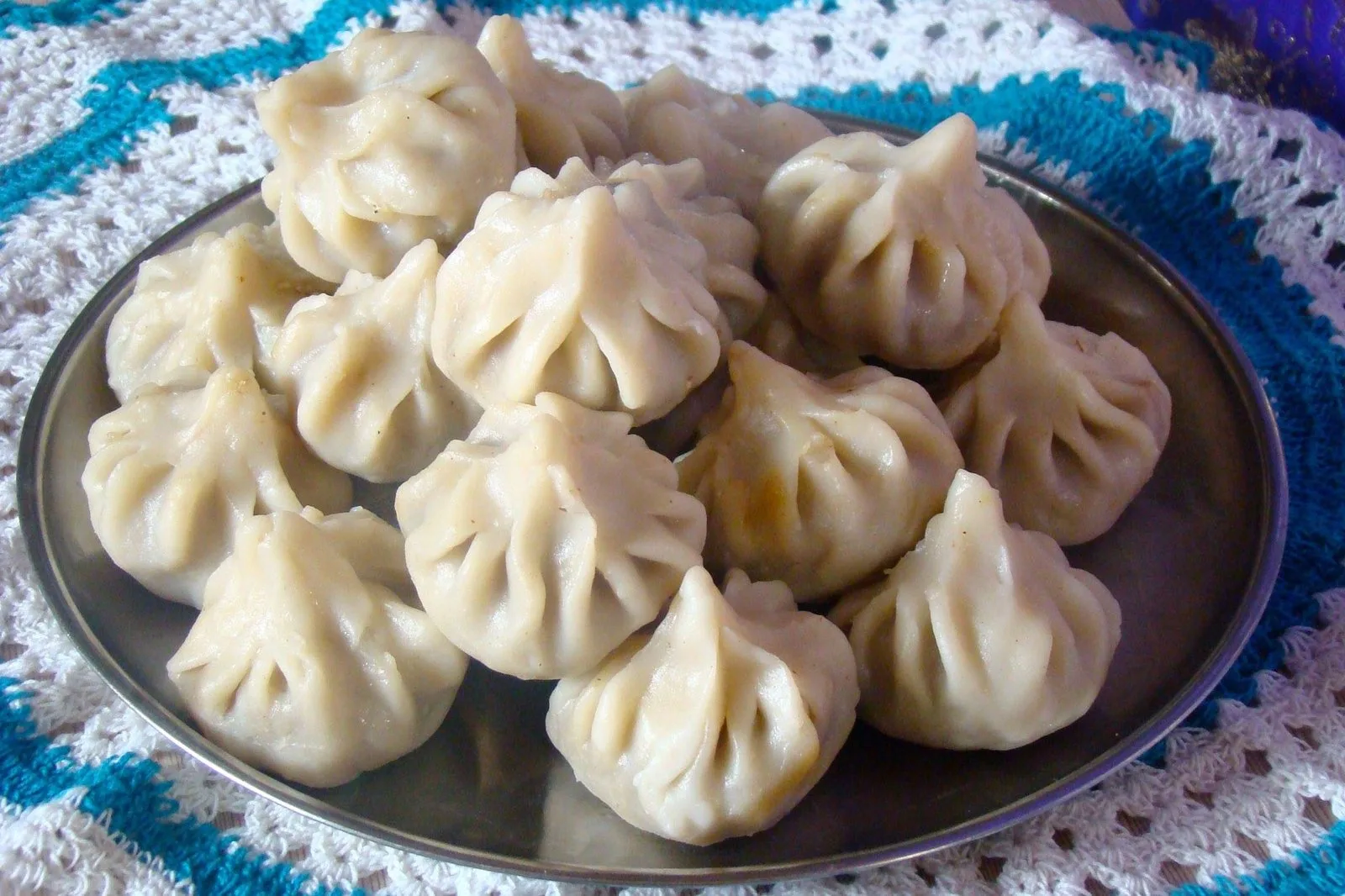
How to Make Modak: Ukadiche Modak at Home
The filling is easy. The dough is where modak goes wrong: you leave it to cool while you do something else, and when you come back it cracks in your hands. If you are working out how to make modak for the first time, the one rule to hold on to is that the rice-flour dough is shaped while it is still warm.
This follows the modak recipe in our library: serves 6, about 60 minutes (30 of prep, 30 of cooking), and it is the steamed kind, ukadiche modak.
What modak is, and which kind this is
Modak is a sweet dumpling that is especially tied to the Ganesh festival (Ganesh Chaturthi) in Maharashtra, and Wikipedia says it is a favourite of Ganesha. Our recipe describes steamed rice-flour dumplings shaped into a crown, filled with coconut and jaggery.
There are two main kinds, according to Wikipedia:
- Steamed (ukadiche modak): rice-flour shell, coconut and jaggery filling, served hot with ghee. It is best eaten soon after it is made.
- Fried: a wheat-flour shell that is deep-fried, which lasts longer and tastes different.
Everything below is the steamed version.
What you need
For 6 servings:
- 200 g (7 oz) fine rice flour
- 200 g (7 oz) fresh grated coconut
- 150 g (5.3 oz) grated jaggery (gur)
- 1/2 tsp ground cardamom
- 2 tbsp ghee, plus a little melted ghee to serve
- A pinch of salt
Use fine rice flour. The recipe calls for it specifically, and a coarse grind is not the same thing.
The filling first
Cook the grated coconut and jaggery together on low heat for about 8 minutes, until it thickens into a sticky filling. Stir in the cardamom, then let it cool completely.
Do the filling before the dough, because it has to be cool when it goes into the shells, and the dough has to be warm. Doing them in this order puts both in the right state at the same moment.
How to make modak dough that stays pliable
Boil water with the ghee and the pinch of salt, add the rice flour and stir quickly into a dough. Our recipe doesn't state a water volume, and we haven't measured one, so follow the dough rather than a number: it should come together into a mass that can be kneaded and not stay as dry crumbs. Cover and rest it for 5 minutes, then knead while still warm until smooth and pliable.
The recipe tip is blunt about this: knead the rice flour dough while it is still hot, because it turns crumbly and hard to shape once it cools. Keep the dough you are not using covered with a damp cloth while you work, and use a little ghee on your fingers if it sticks. Those two habits are our suggestion, not part of the recipe.
Shaping the crown
- Take a small ball of dough and flatten it into a cup, thin at the walls and thicker at the base.
- Spoon in the filling. Don't overfill, or the walls will tear when you close them.
- Pleat the edge upward all the way around, gathering the pleats toward the top.
- Pinch the top closed into a point.
Wikipedia says the shape is said to represent a bag of money, a symbol of wealth. It does not give a number of pleats, and we won't either: more pleats look neater, but a plain pinched dumpling cooks the same.
Steaming
Steam the shaped modaks for 10 minutes, until the dough turns slightly translucent. Place them on a greased surface or a piece of banana leaf or baking paper so they don't stick to the steamer. Serve warm with a little melted ghee.
Because ukadiche modak is meant to be eaten fresh, make as many as you will eat. If you keep leftovers, refrigerate them within a couple of hours and reheat until hot all the way through; they will not be as soft as the first batch.
Where modak fits in a festival table
During Ganesh Chaturthi, Wikipedia says the puja usually ends with an offering of 21 or 101 modaks, which is why this recipe is worth doubling. For a spread, pair it with other Indian sweets in our library, such as puran poli, kaju katli, rasgulla or jalebi. Modak is the only one of these that is best served warm and fresh, so schedule it last, and let the others, which keep better, be made earlier in the day. If you are building a larger sweet table, Eid al-Fitr Sweet Table at Home shows how to plan quantities and timing, even though the occasion is different.
Keeping the plan simple
If you want to check what you already have before the shopping trip, Degchi has a pantry demo at /#try: rice flour, coconut, jaggery and ghee are the four items to look for.
Troubleshooting table
| What you see | Likely cause | What to do |
|---|---|---|
| Dough cracks while shaping | It cooled down | Knead it warm, keep it covered |
| Filling is runny | Not cooked down enough | Cook longer on low heat until sticky |
| Shell tears on closing | Too much filling or walls too thin | Use less filling, make the base thicker |
| Modak sticks to the steamer | Nothing under it | Grease the surface or line it |
| Dough looks dry and crumbly | Flour not fully hydrated, or it has cooled | Knead in a few drops of hot water, while warm |
Related recipes

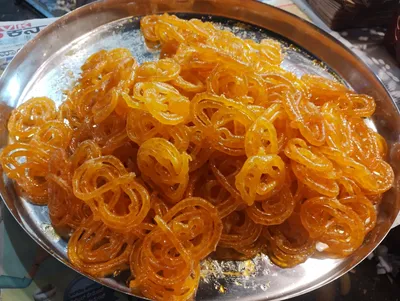
Related posts
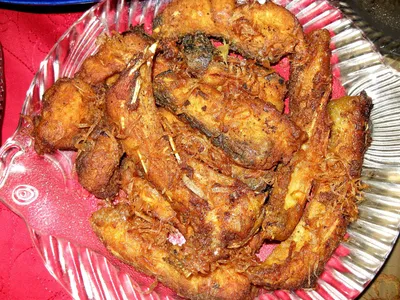
How to Use Mustard Oil in Cooking: A Plain Guide
Mustard oil smells sharp and does odd things when you pour it in cold. This guide covers heating it, using it raw, which of our recipes need it, and how to read the label on your bottle.
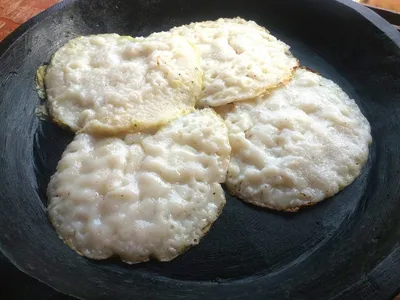
How to Make Chitoi Pitha at Home (Rice Flour Pan Cakes)
Chitoi pitha is a soft, slightly tangy rice flour disc cooked under a lid. Here is how the batter works, how to cook it without a clay mould, and the two classic ways to serve it.
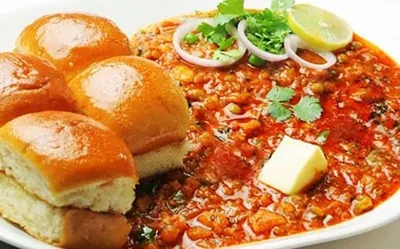
Pav Bhaji Recipe at Home: Mash, Butter, Toasted Pav
Good pav bhaji is a mashing, butter and timing job, not a long ingredient list. The method from our recipe, plus what outside cooks say about colour and toasting.
Should Kids Vote on Dinner? Rules That Keep It Fair and Sane
A dinner vote can end the nightly negotiation or start a new one. The difference is in the rules. Here is how to set them so kids feel heard and parents keep the final say.