 Degchi
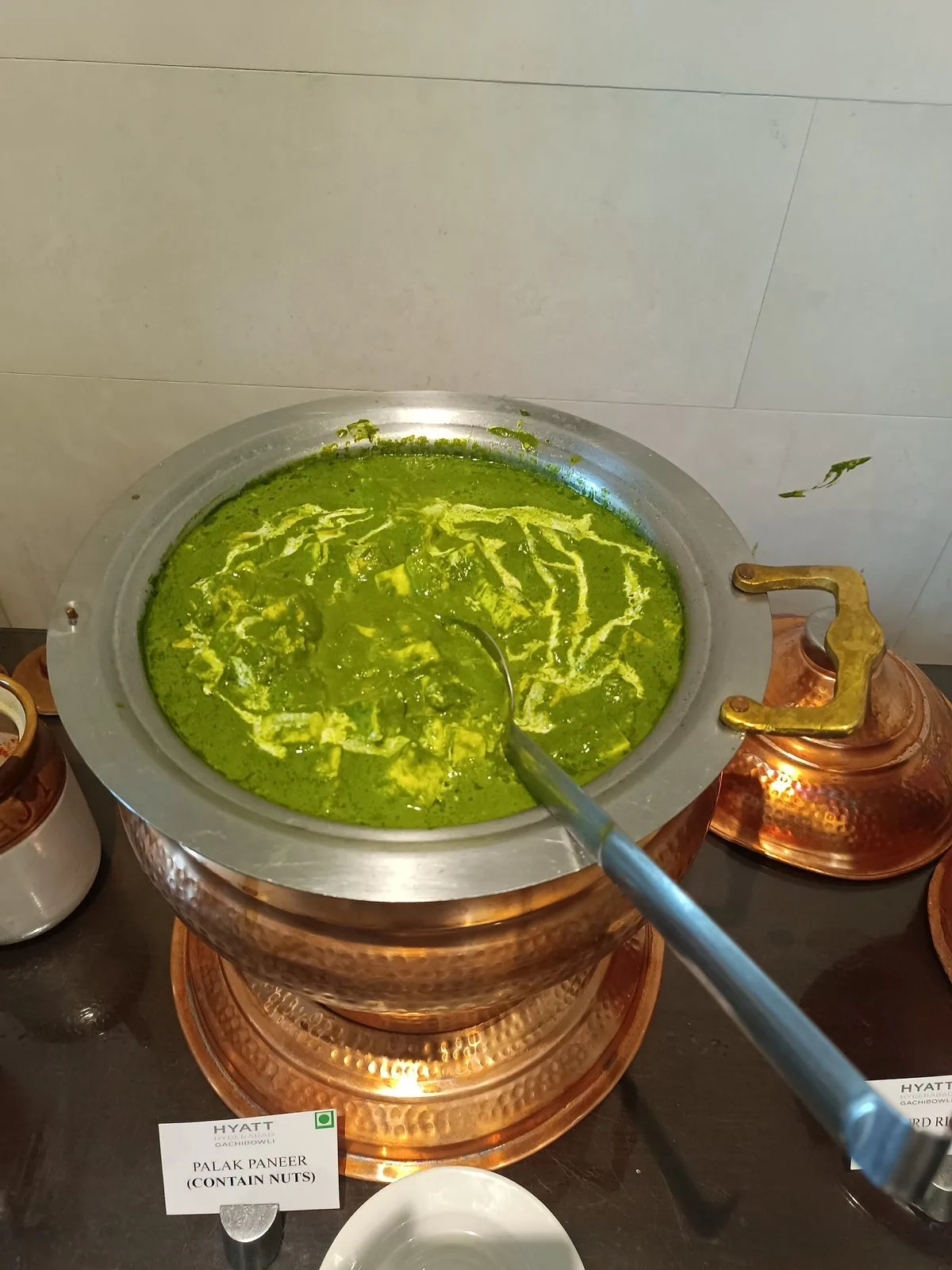
Photo: Koshur / CC BY-SA 4.0
Best Knife and Board for Desi Prep: Onions, Ginger, Greens
Most desi recipes begin with the same chore. Two onions sliced, a knob of ginger, a handful of coriander, maybe a bunch of spinach. You are cutting for twenty minutes before the pan is hot. A knife and board that suit this work save time, and they matter more for your fingers than any gadget.
I will not recommend brands, because the right choice depends on your hand size and budget. Here is what to look for and how to cut what the recipes ask for.
The two knives that cover most prep
A medium chef's knife, 18 to 20 cm (7 to 8 inches). This is the main tool. It has a curved belly for rocking and a tip for fine work, and it handles onions, tomatoes, potatoes, cabbage, cauliflower for aloo gobi and herbs. Choose one that feels balanced when you hold it just ahead of the handle with a pinch grip, and sit it flat on the board when you test it.
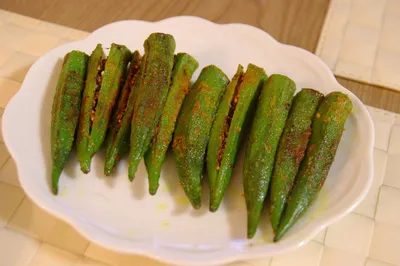
A small paring knife, 8 to 10 cm (3 to 4 inches). Ginger skin, green chillies, garlic, hulling okra for bhindi masala and trimming. Any sharp small knife does the job.
Optional: a serrated knife for tomatoes. A sharp chef's knife also slices tomatoes, but a serrated one helps if yours is dull.
Sharpness matters more than steel type. A dull knife slips off the onion skin. Learn to hone it and have it sharpened, because dull knives cause most kitchen cuts.
Choosing a board
- Size. At least 30 by 40 cm (12 by 16 inches). Onion slices, chopped greens and a tomato pile up quickly, and a tiny board forces you to stop and tip things.
- Stability. Put a damp cloth or non-slip mat under it if it slides.
- Material. Wood and plastic both work. Wooden boards are kinder to knife edges but need hand washing. Plastic can go in the dishwasher if the maker says so. Avoid glass and marble, which dull the knife.
- Groove. A juice groove helps with tomatoes and raw meat.
Use two boards
Food safety guidance is simple: keep raw meat, poultry and fish on a separate board from vegetables and herbs you will not cook, and wash the board and knife with hot soapy water after raw meat. If you cook chicken for biryani or any other meat dish, that same board must not then be used for the raita salad.
An easy system: one board for raw meat and chicken, one for vegetables and herbs. If you have a third, use it for onions and garlic, so their smell does not travel into fruit or bread.
Onions: sliced for frying, chopped for masala
Our recipes use onions in two forms. The chicken pulao calls for sliced onions fried golden. The biryani calls for three onions fried crisp, with half kept as garnish.
For frying, thin and even slices matter, because thick and thin pieces brown at different speeds, and the thin ones burn while the thick ones stay pale.
- Cut the onion in half from root to tip, and peel it, keeping the root end on.
- Lay it flat on the board. Slice thinly across, from the tip toward the root, using the weight of the knife.
- Stop at the root and use it as a handle.
- Separate the layers by hand before frying.
For chopped onion, make a few horizontal cuts toward the root, then vertical cuts, then slice across. Keep your fingertips curled back and the knife knuckle guiding the blade.
Onion tears come from a gas released when cells are cut. A very sharp knife damages fewer cells, which helps a bit. Chilling the onion for 15 minutes can also reduce irritation.
Ginger and garlic: peel with a spoon
Peel ginger by scraping it with the edge of a spoon. The knobbly shape makes a knife wasteful. Then slice thinly along the grain, stack the slices, and cut them into matchsticks for garnish. Our karahi finishes with strips of fresh ginger, so you need fine, even julienne.
For garlic, press the clove under the flat of the knife, and the skin will lift. Chop with a rocking motion, and sprinkle a little salt to stop it sticking.
Leafy greens and herbs: wash, dry, then cut
Spinach, fenugreek and coriander all need washing in several changes of water to remove grit, then drying. Wet leaves slide and bruise.
- Spinach. Stack leaves, roll them loosely, and slice thinly. For a smooth saag or palak paneer, you will often blend it anyway, so rough chopping is enough. Our post on keeping palak paneer green covers colour.
- Coriander. Include the tender stems, since they carry flavour. Gather the bunch into a tight bundle and slice across.
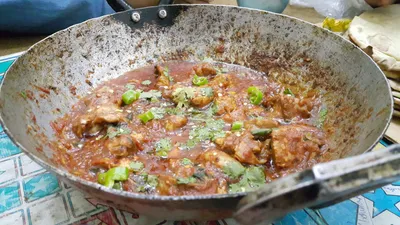
- Green chillies. Slit them lengthwise with the paring knife, as the karahi recipe says. If you handle many, wear gloves or wash your hands well before touching your eyes.
Prepping ahead
If you cook daily, chop onions and tomatoes for the week's masala on one evening. Our onion-tomato masala base post shows how to cook and store it. Cut vegetables keep best in a covered container in the fridge, and cut raw meat should stay cold until cooking.
Quick buying list
- A chef's knife, 18 to 20 cm.
- A paring knife.
- Two boards, one for raw meat and one for everything else.
- A honing steel or sharpening stone.
- A cloth or mat to keep the board steady.
That set handles almost everything. When you want to plan which vegetables to buy this week, the pantry list in Degchi shows which recipes need onions, ginger and greens.
Related recipes
Related posts
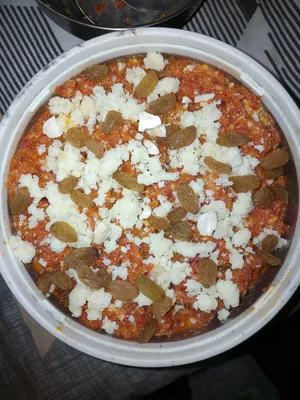
Ghee, Nuts and Dry Fruit: Storing Before Eid Cooking
Before Eid you buy nuts, ghee and dry fruit in bulk. Old stock quietly ruins sweets that use them. Here is how to store each ingredient and how to check it first.
The After-Iftar Kitchen Reset: Ten Minutes That Save Tomorrow
The kitchen after iftar is a mess and everyone is tired. A fixed ten-minute order of jobs protects tomorrow's suhoor and keeps leftovers safe.
Umm Ali Recipe: How to Make It at Home in 40 Minutes
Umm Ali is a warm Egyptian bread pudding made from torn pastry, milk, nuts and cream. Here is our recipe, what each step is doing, and what to watch for.
What to Look for in a Pantry Meal Planner App
Most meal planners start with recipes. A pantry planner starts with the food you already own. Here is how to tell a good one from a gimmick.