 Degchi
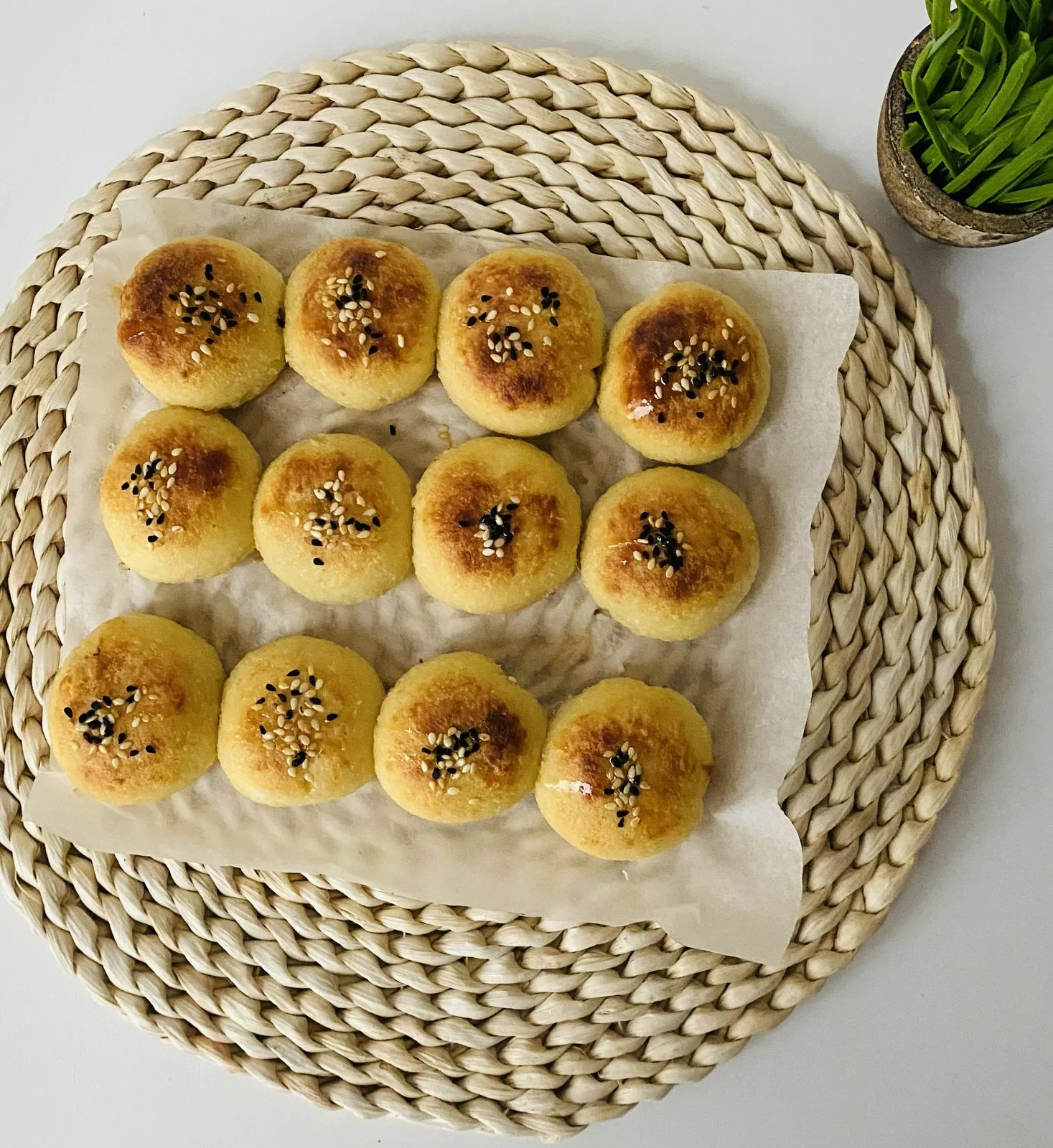
Khaliat Nahl: A Guide to Honeycomb Cheese Buns
What khaliat nahl is
Khaliat nahl is a pan of soft yeast buns, each hiding a piece of cheese, packed tightly so they bake together into a honeycomb pattern. When it comes out of the oven you pour honey and butter over the top and pull the buns apart at the table. The name means "beehive" in Arabic, which is exactly what the pan looks like.
It is a breakfast and teatime bread, and it also turns up as a sweet treat at gatherings. If you have eaten it in a Yemeni-style cafe in the US or UK, you have probably had this.
Where the name and the dish come from
You will see many spellings: khaliat nahl, khaliat al nahal, khaliyat nahl, khlia nahl. Searching for it can feel like searching for five different dishes.
On origin, sources are modest. Wikipedia places the dish on the Arabian Peninsula and links it with Yemeni cuisine. It adds that the bread is also popular in Oman, where it is served during a celebration called Qaranqasho, and in Jordan, and that it is often eaten during Ramadan. Our own recipe notes call it Omani or Yemeni honeycomb bread, and our recipe description calls it a beloved Saudi breakfast and teatime bread. Those are all plausible, because the dish is shared across the region. We cannot tell you one authoritative birthplace, and we would be wary of any page that claims to.
One thing we could not confirm: some readers search for "Egyptian honeycomb buns." We did not find a source that ties this dish to Egypt, so we do not list it as Egyptian.
The dough
Our khaliat nahl recipe serves 4 and makes 16 buns:
- 350 g (2.8 cups) plain flour (maida)
- 1.5 tsp yeast
- 3 tbsp sugar
- 180 ml (3/4 cup) warm milk
- 3 tbsp butter, melted (2 tbsp in the dough, the rest for the finish)
- 150 g (5.3 oz) soft cheese, cubed for stuffing
- 4 tbsp honey
Knead the flour, yeast, sugar, warm milk and 2 tbsp melted butter into a soft, smooth dough. The dough should feel springy and slightly tacky, not sticky. Cover it and leave it somewhere warm for 60 minutes, until puffy.
If your yeast is the instant kind, you can mix it straight into the flour. If it is active dry, it is safer to stir it into the warm milk with a pinch of the sugar for a few minutes first. Neither method changes the recipe amounts.
Shaping and stuffing
This is the part that decides whether the pan looks like a honeycomb or like a disaster.
- Punch down the risen dough and divide it into 16 equal balls. A kitchen scale helps.
- Flatten each ball in your palm.
- Press a cube of cheese (about 10 g) into the centre.
- Pinch the dough shut, completely. If the seam is open, the cheese leaks out in the oven and burns on the pan.
- Place the balls seam side down in a greased round pan, so they touch.
- Leave them for 20 minutes to rise again. As they swell, they push against each other, and that is what makes the honeycomb shape.
Baking and the finish
Bake in a preheated oven at 180 C (350 F) for 18 to 22 minutes, until the top is deep golden. While it is still hot, drizzle warm honey and the remaining melted butter generously over it. The honey soaks into the bread's crust and the butter keeps it glossy.
Wikipedia notes some versions are brushed with egg wash before baking, topped with sesame or nigella seeds, and glazed with a honey-sweetened syrup flavoured with orange juice or orange blossom water. Those are variations we have not tested in our recipe, but they are common enough to be worth trying once you have the base method working.
Which cheese to use
The cheese matters, and there is a trade-off between melt and flavour.
- Mozzarella plus cream cheese melts best and stays creamy. This is the easiest option at a regular grocery store.
- Akkawi or nabulsi cheese is more traditional, but it is salty. Soak the cubes in water for a few hours to draw out the salt, then pat them dry.
- Any soft white cheese works if the cubes are small and well sealed.
Keep the pieces small. Large chunks burst the dough.
A note on the no-yeast shortcut
Some online recipes use baking powder instead of yeast. We have not tested that. In our experience the result from such shortcuts is denser and more like a scone, so it is not a true khaliat nahl. If you want the soft, pull-apart crumb, use fresh yeast and give the dough a warm spot.
Why it comes out dense or leaks cheese
- Cheese leaks out. The seam was not sealed, or the cube was too large. Seal each ball fully.
- Buns are dense. The dough did not rise enough, or the yeast was old. Check the date and use warm, not hot, milk.
- Bottom is pale. The pan was too thick or the rack too high. Move it lower for the last few minutes.
- Top is dark but the middle is raw. Oven too hot. Drop the temperature a little and tent with foil if needed.
Serving ideas
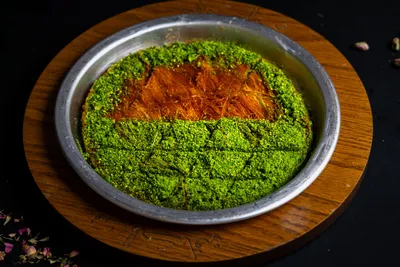
Serve it warm, in the pan, in the middle of the table. Tea or Arabic coffee goes well with it. Leftovers are better the next morning if you reheat them gently, wrapped in foil, so the cheese softens again. It is sweet and salty at once, so it works at breakfast or as a dessert-style bread. If you like this kind of dish, our kunafa recipe is another sweet cheese dessert from the same part of the world.
Keeping track of the rise
Rise times have timers you can start from the recipe, and amounts show in metric and US with a servings scaler. The app is free and in closed beta. Join the beta if you would like to try it, or browse the full recipe library first.
Related recipes

Related posts
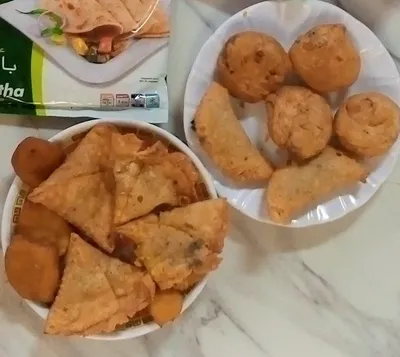
What Is Sambousek? Fillings, Frying and How to Make It
Sambousek is the Gulf and Levantine pastry that looks like a samosa and isn't quite one. What it is, what goes inside, whether to fry or bake, and our meat version.
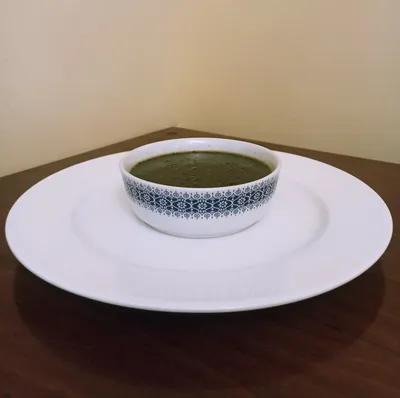
How to Cook Mulukhiyah: Chicken, Garlic Tarqa, Rice
Mulukhiyah is a green, garlicky leaf stew ladled over rice. Here is the method from our recipe, how Egyptian and Levantine cooks differ, and what to do about the texture.
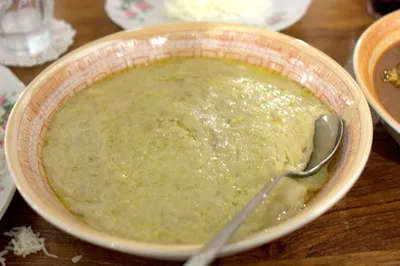
Harees vs Jareesh: What's the Difference?
Harees and jareesh are both wheat and meat, and people use the names loosely. Here is what each is made of, where sources disagree, and how our two recipes differ in wheat, soak and finish.
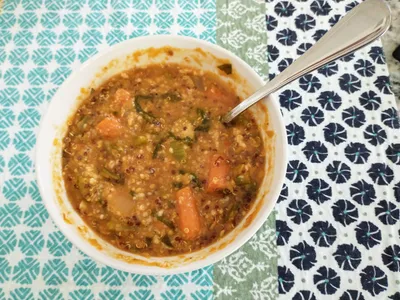
A Simple Ramadan Meal Plan for a Busy Family (Gulf and UK)
Ramadan cooking goes wrong when every night is a banquet. Here is a calm weekly rhythm for iftar and suhoor, built from dishes you can actually cook, with a prep day that does most of the work.