 Degchi
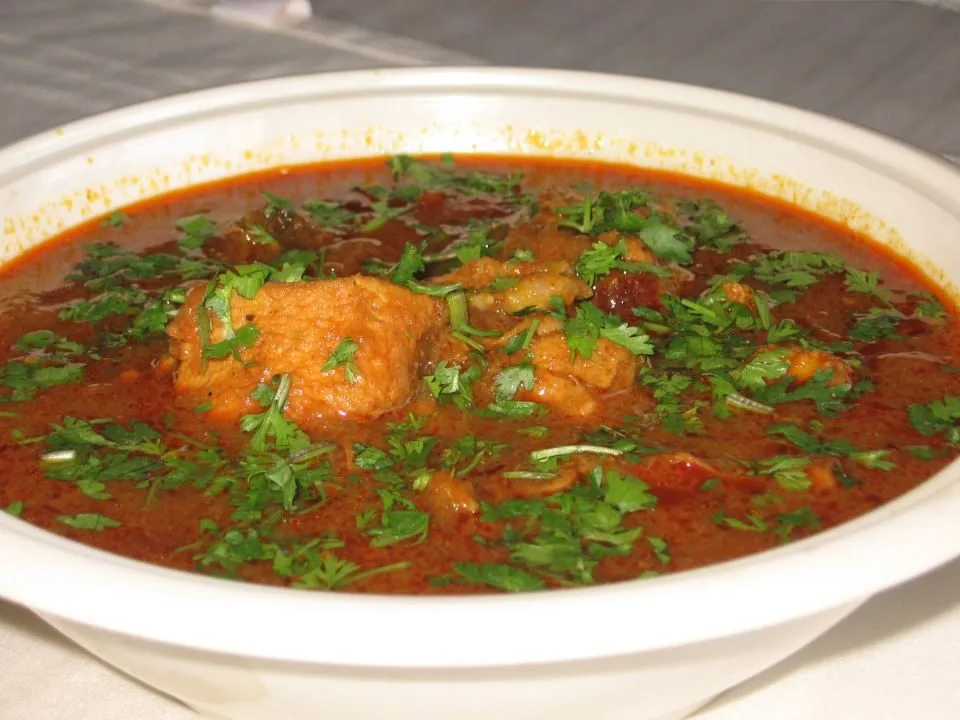
Photo: Vivekprasad97 / CC BY-SA 4.0
Clay Pot Cooking at Home: Handi, Matka and How to Cure One
You bought a lovely unglazed clay handi at a market or online, took it home, and the first time you put it on the stove it split along the base. That is the most common clay pot story, and it is almost always avoidable. Clay is not fragile so much as impatient with sudden heat.
This guide covers how to cure a new pot, which dishes suit it, how to control heat on different hobs, and how to wash it without ruining the seasoning. Note that clay pots differ in quality: always check the seller's instructions for your specific pot, and use those first if they differ.
Why clay behaves differently
Clay is porous. It absorbs a little moisture and releases it slowly, which is why food cooked in it seems gentler and why it stays warm on the table. It heats slowly and unevenly compared with a metal degchi. A sudden temperature jump, like putting a cold pot on high flame, creates stress between the hot base and the cool sides, and that is when cracks happen.
Glazed pots are less porous and more forgiving, but they still do not like thermal shock. Unglazed is the classic choice for chicken handi style dishes, where gentle steam keeps the meat soft.
How to cure a new unglazed pot
Curing means giving the clay a first soak and a slow warming so it settles. A common approach, which many pot makers suggest:
- Soak the whole pot and lid in plain water for several hours or overnight.
- Wash gently with water only, no soap.
- Fill it about two-thirds with water and a spoonful of rice flour or atta if the maker recommends it, to help seal tiny pores.
- Place on the lowest heat and let it warm for a good while, then bring to a gentle simmer.
- Let it cool completely on its own before washing.
If your maker gives different steps, such as oiling the inside, use theirs. Some sellers sell pots already cured; check the label.
Heat control by stove type
- Gas: use the smallest burner and a diffuser or heat spreader, such as a thick tawa placed between flame and pot. Start low, raise slowly.
- Electric coil or ceramic: place the pot on a cold hob, then turn the heat to low. Do not start at high.
- Induction: unglazed clay does not work on induction because it is not magnetic. You need a special induction base plate, or a pot made with an induction-compatible base. Check before buying.
- Oven: place the cold pot in a cold oven and let both heat together. Never put a cold pot into a preheated oven.
Never put a hot clay pot on a cold, wet counter or run cold water into it straight from the stove. Rest it on a wooden board or folded towel to cool.
What to cook in it
Clay shines for slow, moist dishes:
- Meat and chicken in gravy, such as handi preparations.
- Daal, which develops a mellow flavour in a clay pot and keeps hot at the table.
- Khichdi, where gentle heat avoids scorching.
- Curds, if you have a matka, set at room temperature; the porous walls help draw off a little moisture for a thicker set.
Poor candidates are anything that needs high, quick heat, such as a hot sear or karahi style bhunai. Use a metal karahi for that. The handi vs karahi guide explains the difference.
For chicken in a clay pot, the safe temperature is the same as any pot: 74 C (165 F) in the thickest part. Clay holds heat evenly but slowly, so check with a thermometer rather than by time alone.
Cleaning without ruining it
Use hot water and a soft brush. Avoid strong detergent, which clay can absorb and release into the next meal. A paste of baking soda and water helps with stuck bits; rinse well. Do not soak for hours after the first cure.
Dry thoroughly before storing. A damp pot in a closed cupboard can grow mould. Leave it in the sun or in a warm, airy spot for a day before putting it away, with the lid off.
If the pot develops a musty smell, boil water with a spoonful of baking soda in it for ten minutes, or set it in the sun for a day. Do not use a pot that has visible mould inside or deep cracks that leak.
Cracks: fix, or throw away
Hairline cracks that do not leak sometimes seal themselves after another round of soaking and simmering with rice water. Cracks that weep liquid, or that go through the base, are finished. A cracked pot can break while hot and cause burns, so retire it. Some people use it as a planter; that is a good second life.
A trial run before the real dinner
Do not try a new pot for the first time on guests. Start with a simple batch of daal or khichdi on a quiet weekend. Keep the heat low, stir with a wooden spoon, and watch for the sound: a gentle bubbling means the heat is right, a loud rolling boil means turn it down.
- Check the lid fits snugly; a plate of aluminium foil under the lid can help seal.
- Add hot liquid, not cold, if you need to top up.
- Allow rest time: the pot keeps cooking for ten minutes after you turn off the heat.
If you are not sure whether clay suits your kitchen, a good middle ground is a heavy-bottomed pot with a tight lid, which is covered in heavy-bottom pot for dum. You can also plan which dishes to cook in the clay pot and which in steel using the pantry planner at degchi.matrixinn.net/#try. Whatever you choose, go slow with the heat and your pot will outlast many dinners.
Related recipes

Related posts
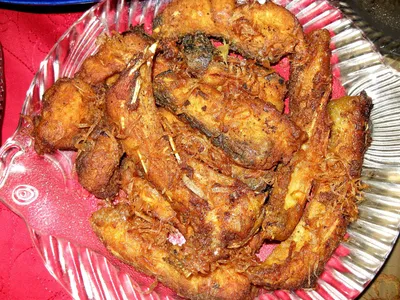
Maach Bhaja: Crisp Bengali Fried Fish, Step by Step
Fried fish steaks with only four seasonings. The timings from our recipe, the dry-fish rule that prevents splatter, and what to change if your fish is frozen.

Why Is My Lassi Thin? Yogurt-to-Milk Ratios That Fix It
Your lassi tastes fine but pours like milk. Thickness comes down to the ratio of yogurt to liquid, the yogurt you start with and when you add ice. Numbers from two recipes, plus fixes.

Masala Dosa Recipe at Home: Crisp, Thin, No Sticking
Dosa that tears, sticks or stays pale usually has a batter or pan-heat problem. How to spot each one and fix it, with the filling from our recipe.
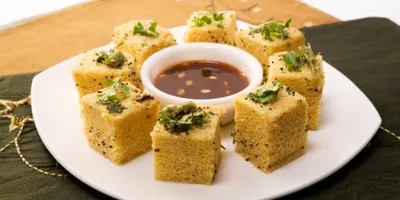
Dhokla vs Khaman: What Is the Difference?
Same yellow squares, different batters and a lot of regional naming. A plain guide to dhokla vs khaman and how to get a soft crumb without a long ferment.