Degchi
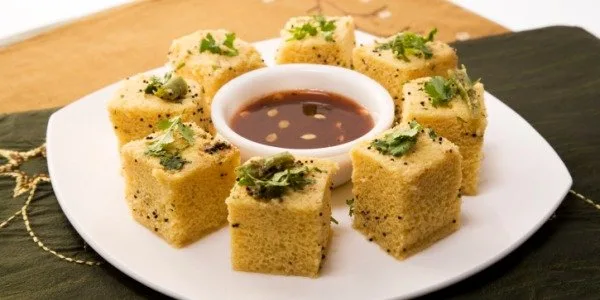
Photo: Samirluhar99 / CC BY-SA 4.0
Dhokla vs Khaman: What Is the Difference?
You order dhokla at a Gujarati restaurant abroad and the plate has pale yellow sponge. A friend swears that is khaman. The waiter says it is the same thing. Another friend says real dhokla is the grey, fermented one. Everyone is a little bit right, which is annoying.
Here is what the difference between dhokla and khaman usually comes down to, and how to make the quick besan version at home, which is the one most diaspora kitchens actually cook on a weeknight.
The names, loosely
Naming in Gujarat is regional and does not follow a single rulebook. A common way people explain it:
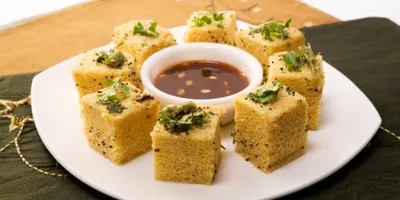
- Khaman is the soft, bright yellow, spongy square made mostly from besan (gram flour, chickpea flour), usually raised quickly with baking soda or fruit salt.
- Dhokla is often used for a denser, slightly grainier steamed cake made from a fermented batter of rice and split lentils. It can look more beige or off-white.
- Outside Gujarat, and on most menus abroad, "dhokla" gets used for both, which is why the confusion exists.
Treat that as a general guide rather than a law. If a menu says "khaman dhokla" it is almost certainly the yellow sponge.
The recipe on this site, dhokla, is the quick besan type. It does not need an overnight ferment, which is why it is the sensible place to start.
What goes in the quick version
Our recipe serves 6 and takes about 40 minutes, including a 20-minute rest:
- 250 g (9 oz) besan
- 100 g (about 0.4 cup) plain yogurt
- 1 tablespoon sugar, 1/4 teaspoon turmeric, 1 teaspoon salt
- 1 teaspoon baking powder
- For the tempering: 3 tablespoons oil, 1 teaspoon mustard seeds, 2 green chillies, about 10 curry leaves
- Chopped coriander to finish
The yogurt gives a gentle sour note that stands in for fermentation. The sugar is small but matters; it balances the sour and salty. Without it, the dhokla can taste flat.
The batter, step by step
- Whisk the besan, yogurt, sugar, turmeric, salt and water until completely smooth. Lumps in besan do not cook out in steam, so whisk until no dry pockets remain.
- Rest it for 20 minutes. The batter should loosen slightly and fall off the whisk like thick pancake batter.
- Grease a shallow steaming tray.
- Stir in the baking powder and pour at once. It will froth. Do not stand there stirring for another minute, because our tip is blunt: waiting too long loses the rise.
- Steam for 15 minutes. A toothpick pushed into the centre should come out clean.
If you do not own a steamer, steaming idli, dhokla and pitha in a regular pot covers a wide pot, a rack and a lid wrapped in a tea towel.
Why is my dhokla dense or spotty?
Two common complaints, each with a likely cause:
| What you see | Likely cause | What to try |
|---|---|---|
| Heavy, flat dhokla | Baking powder added too early, or batter left standing | Mix it in last and steam right away |
| Gummy centre | Batter too thick or steaming time too short | Thin with a splash of water, steam a few more minutes |
| Orange-red spots | Baking soda reacting with turmeric (if you use soda instead of powder) | Use baking powder as in our recipe, or add the lemon juice a recipe asks for |
| Dry, crumbly texture | Overcooked or the steamer water ran out | Check water, cool in the tray before cutting |
The orange-red spot issue is a known quirk of turmeric with alkaline leavening; it is harmless, though it looks odd.
The tempering (vaghar) is half the dish
Plain steamed besan is bland. The finish is what makes it a snack. Heat the oil, add mustard seeds and let them pop, then add green chilli and curry leaves for about a minute. Pour it over the cut squares so it soaks in. Some families add a little water with sugar to the tempering for a juicier dhokla, which is a common home habit rather than part of our recipe.
Cool the dhokla slightly before cutting, so the squares keep their shape. Serve at room temperature with green chutney.
What to serve it with
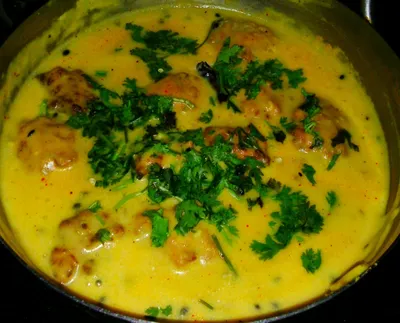
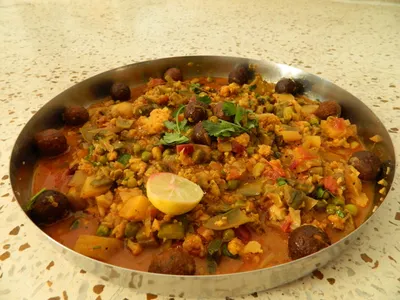
Dhokla is breakfast, a tea-time snack and part of a Gujarati thali. Pair it with kadhi for a light dinner, or with the other Gujarati dish people ask about, undhiyu, if you are planning a bigger spread. If you cannot find the beans for undhiyu, here are substitutes.
Cutting and serving without a mess
Run a knife dipped in warm water through the tray in a grid, and cut after the cake has cooled for 5 to 10 minutes. Cut too hot and the squares tear; cut cold and the tempering will not soak in. A 20 cm (8 in) round tray gives about 16 squares, enough for four people as a snack. If you want a softer top, spoon over a few tablespoons of hot water mixed with a teaspoon of sugar and a little salt after the tempering; the dhokla drinks it up in a couple of minutes. Fresh coriander and a little grated coconut are common garnishes, and a squeeze of lemon works if your green chutney is mild.
A small weekend plan
- Saturday evening: check you have besan, yogurt, mustard seeds and curry leaves.
- Sunday morning: whisk the batter, rest it, steam while the tea brews.
- Leftovers: refrigerate within about 1 hour, eat within 1 to 2 days, and warm slices in a covered pan until steaming hot.
Degchi lists besan, yogurt and curry leaves as the key ingredients, so the pantry checker can tell you if you are one item away from dhokla.