 Degchi
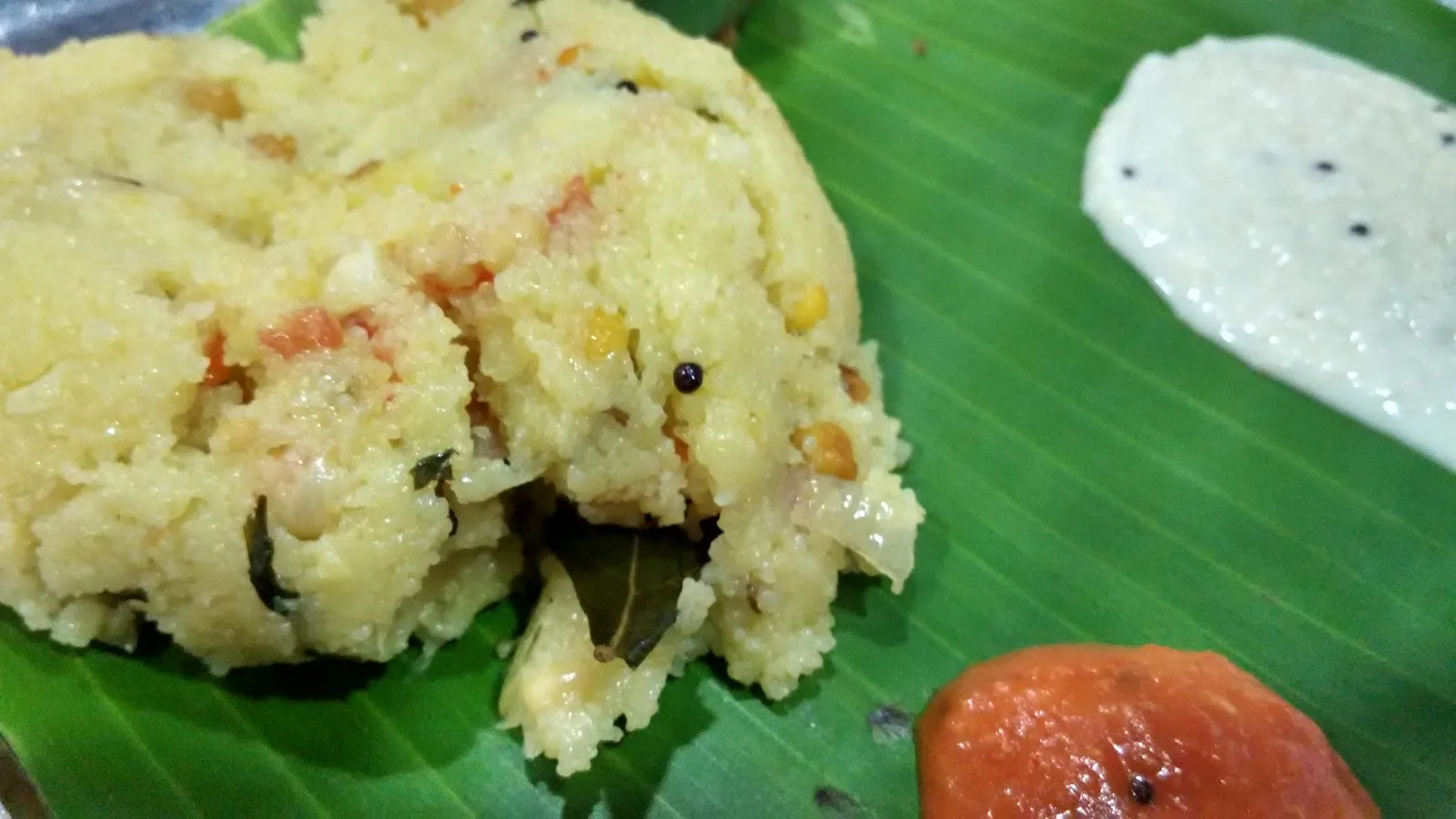
What to Cook With a Cup of Semolina (Suji)
Somewhere in the cupboard there is a bag of suji, opened for one recipe and then forgotten. If you are wondering what to cook with a cup of semolina, the answer splits two ways: savoury (upma, a soft porridge-like breakfast) and sweet (halwa, or the baked Gulf cake basbousa). A fourth option, pani puri shells, is a weekend project that also uses it.
Before you cook, check the name on the packet, because semolina goes by a few names.
Suji, sooji, rava, semolina: same thing, different grind
In Hindi and Urdu it is suji or sooji. In South India it is rava. In English it is semolina, a coarse flour from wheat. Packets are usually sold fine, medium or coarse. Upma is commonly made with medium or coarse grains, which stay a little separate; halwa works with fine or medium. If your pack does not say, rub a pinch between your fingers: sand-like is medium, flour-like is fine.
Our post on atta, maida, besan and suji labels covers what to look for abroad. One more warning: "semolina flour" sold for pasta is a different, finer product from the one in these recipes, and it will clump.
Savoury: upma in 30 minutes
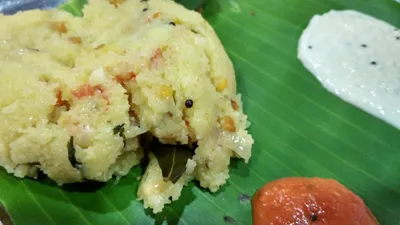
Upma in our library uses 200 g (7 oz) of semolina for four servings. The order matters:
- Dry-roast the semolina on low heat for about 5 minutes until lightly golden and fragrant. Set aside.
- Heat 3 tablespoons oil, temper 1 teaspoon mustard seeds and about 10 curry leaves until they crackle.
- Fry an onion and 2 green chillies until soft, then add diced carrot and peas for about 3 minutes.
- Add 4 cups (960 ml) water and salt, and bring to a boil.
- Lower the heat and pour in the roasted semolina in a thin stream, stirring all the time.
- Cover for 3 minutes on low heat until the water is absorbed, then squeeze over lemon juice.
Lumps come from adding semolina too fast or into water that is not boiling. A thin stream and constant stirring are the whole trick. If you have no curry leaves, skip them rather than substituting something strong; plain mustard seed and green chilli still make a decent upma.
Sweet: suji halwa in 30 minutes
Suji halwa uses 150 g (1 cup) semolina, 100 g (about 7 tablespoons) ghee, 400 ml (1.6 cups) milk and 150 g (3/4 cup) sugar, plus 3 crushed cardamom pods and chopped nuts. It is shorter than most sweets on this site.
- Roast the semolina in the ghee on low heat for about 8 minutes, stirring constantly, until golden and fragrant.
- Warm the milk with the sugar in a separate pan until dissolved.
- Pour the sweet milk into the semolina slowly while stirring, to avoid lumps. It will spit at first, so stand back.
- Add the cardamom and cook about 5 minutes on low until the halwa thickens and leaves the sides of the pan.
Our guide to halwa types compares this with gajar and zarda if you are choosing between them.
A judgement call: roast longer than you think. Pale, under-roasted semolina tastes of raw flour; a nutty brown is the flavour you want.
Baked: basbousa for a tray
Basbousa is the Gulf and Levant cake of semolina. Our recipe mixes 250 g (1.5 cups) semolina with half the sugar, 150 g yogurt, 80 g melted butter and a teaspoon of baking powder into a thick batter, which rests for 15 minutes so the grains soften.
Score the top into diamonds, press an almond into each, and bake at 180 C (350 F) for about 30 minutes until golden. While it is warm, pour over a syrup of the remaining sugar boiled with 100 ml (7 tablespoons) water for 5 to 7 minutes, with a little rose water stirred in.
Pouring hot syrup over warm cake is the step people skip, and it is what keeps basbousa moist. Let it soak before cutting.
Project: pani puri shells
The shells in our pani puri use 150 g (5.3 oz) of semolina and 2 tablespoons of plain flour kneaded into a stiff dough, rested for 20 minutes, rolled very thin and fried at about 180 C (350 F) until puffed and golden. They crisp as they cool.
This is the one that needs oil, a thermometer or patience, and a bit of luck with puffing. Take care: hot oil spits when cold dough goes in. Do it when no children are in the kitchen.
What not to do
- Skipping the roast. Raw semolina tastes of paste in both upma and halwa.
- Using cold water in upma. The semolina clumps. Boil the water first.
- Walking away from the halwa. It goes from loose to stuck in about a minute at the end.
- Storing it warm. Cooked upma and halwa should be refrigerated within about 1 to 2 hours and eaten within a day or two. Reheat until steaming.
Storing the rest of the bag
Semolina keeps best in an airtight jar in a cool dry place. Check for a stale or musty smell before you use an old bag, and for tiny bugs. If there are bugs, bin it.
Which one tonight
| You want | Make | Time |
|---|---|---|
| Breakfast tomorrow | Upma | 30 min |
| Something sweet now | Suji halwa | 30 min |
| A tray for guests | Basbousa | 45 min |
| A weekend snack | Pani puri | 40 min plus resting |
If you want to see what else you could cook beyond these, you can tick off what you have in the Degchi pantry try-out and look at the matches.
Related recipes


Related posts
Mustard Seeds (Rai): Why They Pop and When to Add Them
Mustard seeds that will not pop, or pop and turn bitter, wreck a tadka before it starts. Here is the heat, timing and amounts that work for South Indian dishes.

Halwa Puri Breakfast: A Sunday Plan Without the Chaos
Halwa puri is three dishes that all want to be hot at once. The trick is deciding which one waits and which one can't.