 Degchi
Atta, Maida, Besan, Suji: Which Flour Is Which Abroad?
The flour aisle says one thing, the recipe says another
A recipe asks for 2 cups of atta. The nearest supermarket has "whole wheat flour", "plain flour", "gram flour" and "semolina", and none of them is called atta. Do you grab the whole wheat? Maybe. But a flat, cracked roti is a common result when you do.
Here is how each desi flour maps to what you will see on a shelf in the US or UK, and where the match is close or only roughly right.
Atta: the everyday roti flour
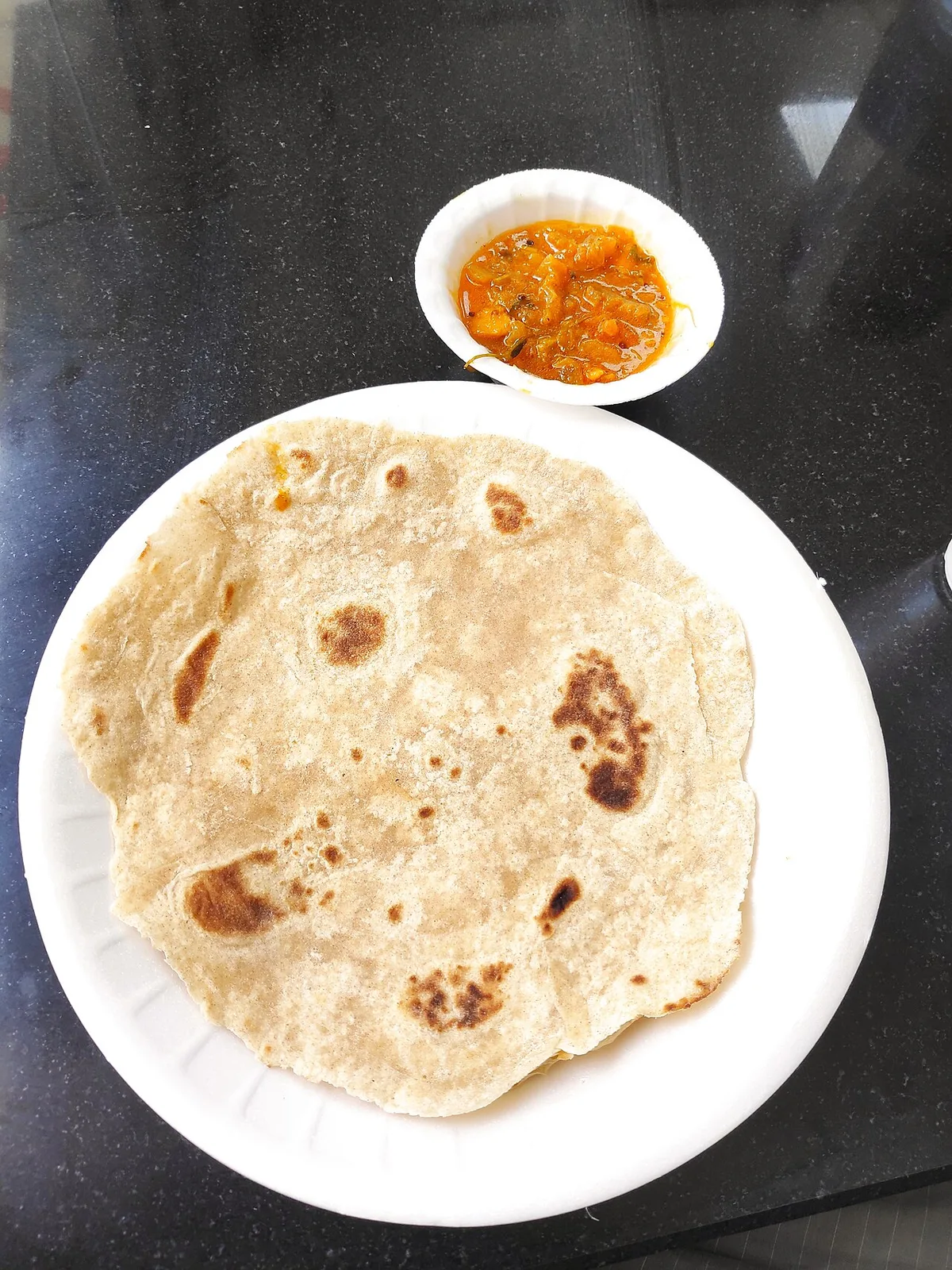
Atta is whole wheat flour milled very fine, traditionally in a stone mill (a chakki). The fineness is the point. It absorbs water readily, which is why atta dough feels soft and stretchy, and why a roti made from it puffs on the flame.
On shelves you will find it as:
- "Atta", "chapati flour" or "roti flour" in Asian shops, in 5 to 10 kg sacks
- "Wholemeal flour" in a UK supermarket, which is usually coarser
- "Whole wheat flour" in the US, which is also usually coarser than atta
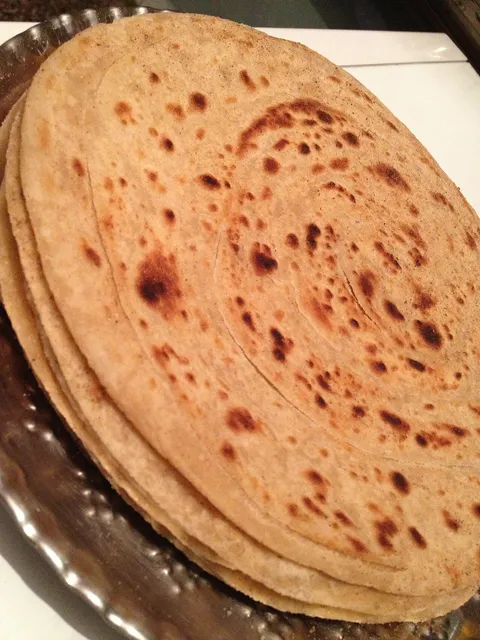
Coarser flour can work, but it needs more water and a longer rest, and the rotis tend to be less soft. If you can only find supermarket wholemeal, give the dough a longer rest and add water a tablespoon at a time. Our roti dough post covers what soft dough should feel like, and the full method is on chapati / phulka.
Atta also goes stale and attracts pests faster than plain white flour, because the bran and germ are still in it. See how to store atta.
Maida: the refined white flour
Maida is finely milled refined wheat flour, white and soft. It is what you would reach for in naan, samosa pastry, bhature and many sweets.
The closest everyday match is all-purpose flour in the US and plain flour in the UK. They are not guaranteed identical, since protein levels vary by brand and country, but for a samosa wrapper or a batter either one will do the job. If a recipe needs chewy stretch, such as tandoori naan, bread flour is worth trying, though that is a judgement call, not a rule from our recipe data.
Many desi households mix atta and maida for puri and paratha. A common reason is texture: a little maida makes the dough crisper and lighter. The recipe on this site lists its exact flour, so follow that rather than a ratio from memory.
Besan: chickpea flour, not a spice
Besan is flour ground from split chickpeas (chana daal). In English it is gram flour in the UK and chickpea flour in the US. It is yellow, a little nutty, and it behaves nothing like wheat: no gluten, so it thickens and coats instead of stretching.
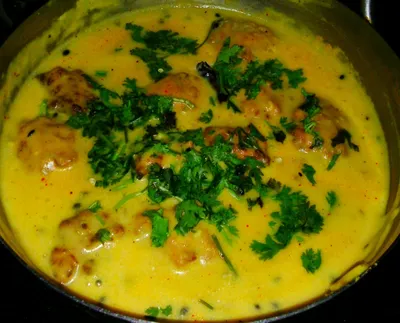
It is the backbone of pakoray, where it forms the crisp batter, and of kadhi, where it thickens a yogurt curry. Lumpy besan is the main complaint. Mix it into a paste with a little water before adding the rest, and keep stirring when it goes into hot liquid. We have more in the kadhi no-lumps guide.
Do not swap besan with cornflour or rice flour in these dishes. The result will be pale and thin, because the nutty flavour and the thickening power both come from the chickpeas. And be careful with "garbanzo bean flour" blends sold for baking; check the ingredient list says only chickpeas.
Suji, sooji, rava: the grainy one
Suji (also sooji, and rava or rawa in South India) is semolina: coarsely ground durum wheat, sandy to the touch. In the US it is "semolina" or "cream of wheat" in a different, finer, cooked-cereal style. In the UK, "semolina" is the word on the box.
It turns up in suji halwa, where it is roasted in ghee until golden, and in upma and some batters for crunch. Roasting matters. Raw semolina tastes of wheat paste; golden, nutty semolina is what you want.
Fine and coarse grades both exist. For halwa, the recipe in the library does not need you to be fussy, but for a crisp coating, coarse is usually better.
Others you will meet
- Chawal ka atta (rice flour): gluten-free, used in some Bengali pithas and for crispness in batters.
- Makai ka atta (maize flour): the yellow flour for Punjabi makki di roti. It is not the same as US cornstarch. Cornstarch is a pure starch; makai atta is ground whole corn.
- Bajra and jowar atta: millet flours for rotis, sold in desi grocers.
- Cornflour (UK) and cornstarch (US): the same product with different names. Used for thickening and crisp coatings, not for rotis.
Quick swap table
| Recipe wants | Closest swap | How good a match |
|---|---|---|
| Atta | Fine whole wheat or wholemeal flour | Fair; needs more water and rest |
| Maida | All-purpose (US) or plain (UK) flour | Good |
| Besan | Chickpea flour only | Exact |
| Suji | Semolina | Exact |
| Besan | Cornflour or rice flour | Poor; avoid |
One shopping tip
Check the front of the bag for "chakki fresh" or a milled-on date if you can. Fresh atta smells sweet and wheaty; old atta smells flat or sour. Pour a little into your palm and smell before committing to a 10 kg sack.
If you keep flours as Have, Low or Out in your Degchi pantry, the recipe pages show which of them you are missing before you start. You can try the pantry from the home page.
Recipes with yogurt Recipes with rice Recipes with chickpeas Recipes with ghee
Related recipes
Related posts
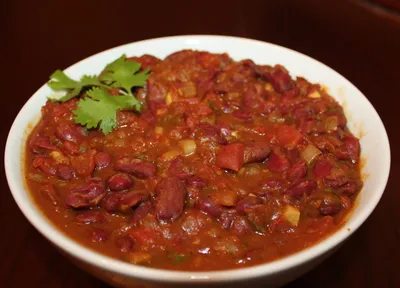
Why Is My Rajma Hard in the Middle or Mushy? Fixes
Rajma goes wrong in two opposite ways: chalky centres or a pot of paste. Both come down to bean age, soak time, when the tomato goes in and how hard the pot boils.
End-of-Month Meal Plan: Seven Dinners from What's Left
The last week before payday is a planning problem, not a cooking problem. Count what you have, then let the staples carry seven dinners.
Shakshuka Recipe: Runny Yolks, No Watery Sauce
Shakshuka goes wrong in two directions: pink, watery sauce or hard yolks. This guide follows our 30-minute recipe and shows where each problem starts.
Why Is My Chicken Curry Dry or Rubbery? Fixes
Chicken curry can turn dry or rubbery even when the gravy is perfect. Here is which cut to use, how to cook it to 74 C / 165 F and not beyond, and how to rescue it.