Degchi
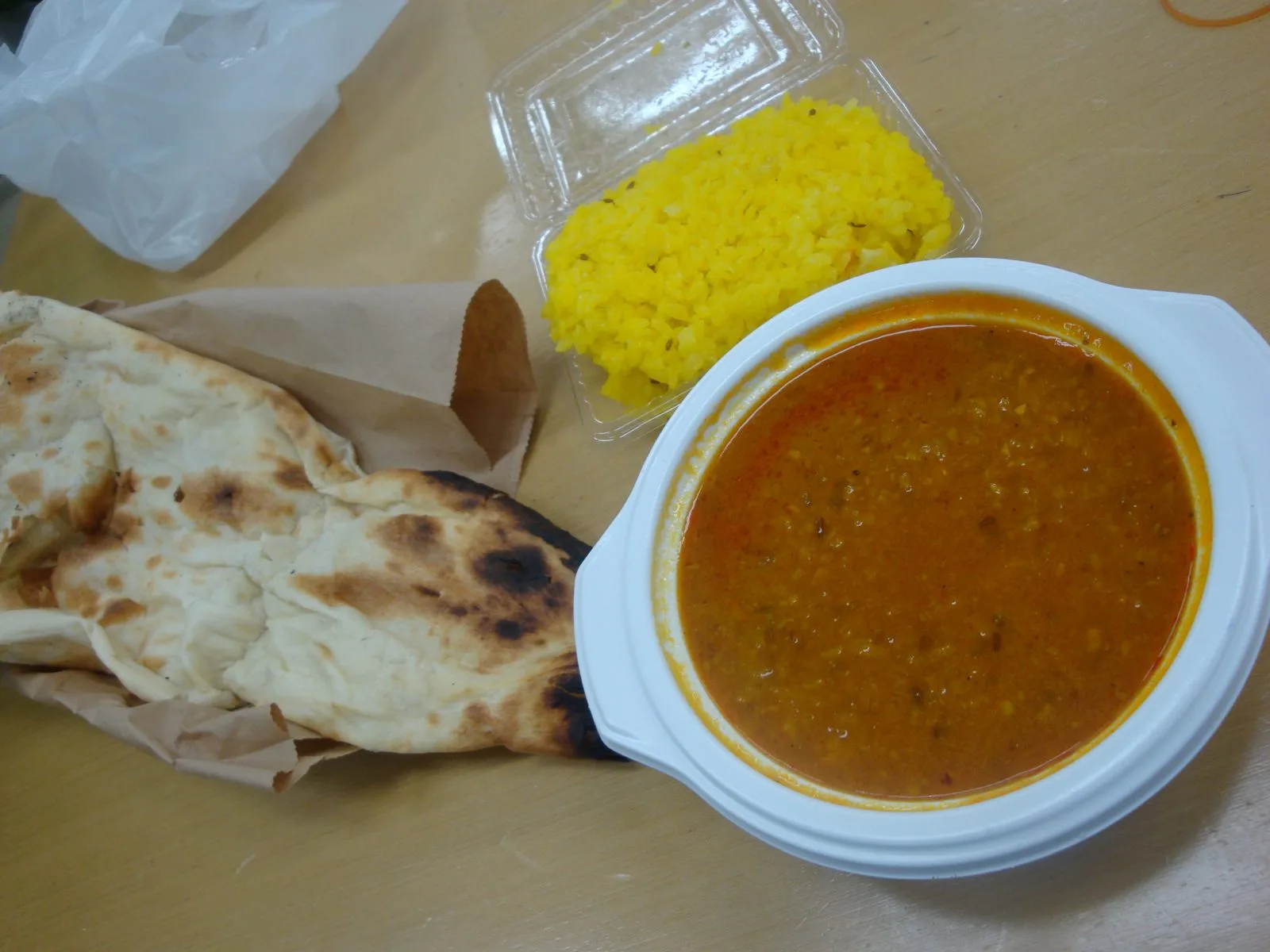
Photo: David Pursehouse / CC BY 4.0
Salt Types in Desi Cooking: Table, Kosher, Rock and Kala Namak
Why the same spoon gives different results
A recipe says one teaspoon of salt. You use the fine table salt from your cupboard and the daal tastes like seawater. Your friend uses coarse flakes and says it was bland. Both followed the recipe. The difference is crystal size. Fine salt packs tightly into a spoon, so a teaspoon holds more salt by weight. Coarse flakes leave more air gaps, so the same spoon holds less.
This matters more in desi cooking than people realise, because many dishes are seasoned in layers: the daal, the tadka, the raita, the chaat. A little extra in each adds up.
The main types
| Salt | Crystal | Typical use |
|---|---|---|
| Fine table salt | Small, dense | General cooking, baking, easy to dissolve |
| Kosher salt | Coarse flakes, light | Cooking by hand, seasoning meat |
| Sea salt, fine | Similar to table | Everyday cooking |
| Sea salt, flaky | Large, thin flakes | Finishing, salads |
| Rock salt (sendha namak) | Pinkish, hard crystals | Fasting dishes, chaat, drinks |
| Black salt (kala namak) | Grey-pink, sulphurous | Chaat, raita, lassi, drinks |
Fine versus coarse by weight
Since volume measures are unreliable, weight is better. As a rough guide, a level teaspoon of fine table salt is about 6 grams. A teaspoon of coarse kosher salt is typically somewhere between 2.5 and 4.5 grams, depending on the brand. The big US kosher brands differ from each other by a noticeable margin. If you buy a specific brand, check its label or weigh a spoonful once on a kitchen scale and note the number.
That variation is why we give salt in the recipes as a starting amount and say to adjust at the end. If you want a simple rule, start with less than the recipe says and add pinches while tasting.
Rock salt and fasting
Sendha namak, sometimes called Himalayan pink salt in shops, is used during fasts in some Hindu traditions, where regular salt is avoided. It tastes slightly milder and a little less sharp. You can use it in cooking, though it dissolves more slowly. Grind it finely for chaat or drinks, or dissolve it in a little water first.
Kala namak: the one that smells of eggs
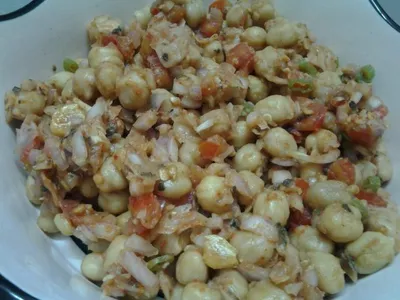
Black salt is a volcanic or processed rock salt with a distinct sulphur note. It smells a little like boiled eggs, which is why vegan cooks use it to flavour tofu scrambles. In desi cooking it goes into chana chaat, raita, jaljeera, and lassi in its salted form. It is not a substitute for regular salt. It is a seasoning with a strong flavour, so a pinch goes a long way.
Heat reduces its aroma. For this reason, many cooks add it at the end or sprinkle it over the finished dish instead of cooking it in.
How to season daal
Daal is where salt mistakes show up first. A daal that tastes flat needs salt, but also often needs a bright note. Before you add more salt, check whether it needs lemon or tadka instead. Our post on flat-tasting daal and tadka fixes explains. Salt the lentils once they are tender, since adding it at the very start is believed by some cooks to slow softening, though evidence for this is mixed. What matters most is tasting at the end.
If you oversalted, our salty fixes guide has several options. Adding a potato to soak up salt is a common kitchen belief, and it does less than people hope.
Salt in layers
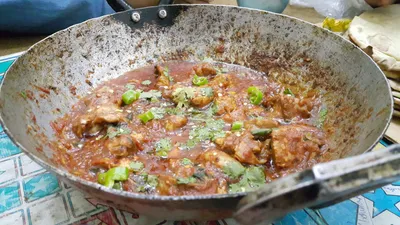
For a dish like chana masala or karahi, you add salt at several points: a pinch with the onions to help them soften, some with the tomatoes, and the final adjustment at the end. Keep a note of how much you have added, or you may overshoot. A good habit is to season in thirds: a third early, a third mid-way and a final taste at the end.
Iodised salt and other additives
Table salt is often iodised, with iodine added for public health reasons in many countries. Some brands add anti-caking agents. Neither matters for most cooking. Some cooks avoid iodised salt for pickling because they believe it affects colour, though many people use it without a problem. Check your recipe's advice if you are pickling.
Salt and blood pressure
Many people are advised to limit sodium. We cannot give medical guidance. If you have been told to reduce salt, ask your doctor or a dietitian for personal guidance. For cooking purposes, using acid, fresh herbs, roasted spices and tadka often makes a dish taste fuller with a bit less salt.
Storing salt
Salt does not spoil, but it takes up moisture and clumps. Store it in a dry, closed container away from the stove steam. In humid climates, a few grains of rice in the shaker are an old trick, and a tight lid works better. Keep kala namak in a closed jar, as its aroma fades over time.
What to keep in a basic kitchen
- One fine salt for general use and baking.
- One coarse salt for seasoning by hand, if you like to cook by feel.
- A small jar of kala namak, if you make chaat and drinks.
- Rock salt, only if someone in the house fasts.
You can note what you already have in the Degchi pantry, so you are not buying a third packet of salt.