 Degchi
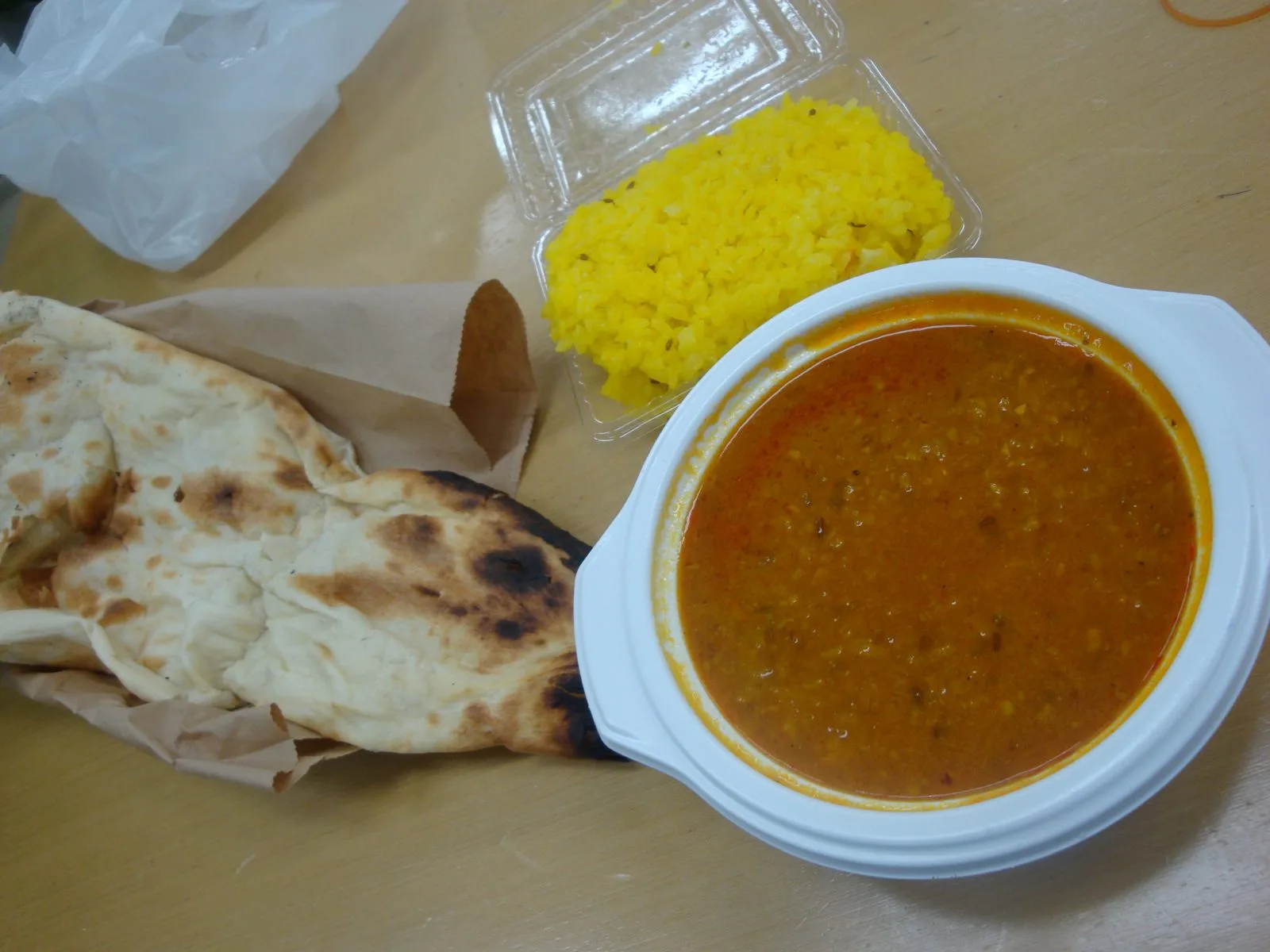
Photo: David Pursehouse / CC BY 4.0
How to Fix Salty Daal, Pulao and Dry Sabzi
You tasted the daal at the end and the salt is a slap. Or you lifted the lid on the pulao and realised the stock was already seasoned. There is no way to pull salt out of food, so every fix is one of two moves: spread the same salt over more food, or serve the dish with something unsalted. Which move works depends on whether the dish is wet or dry.
Wet dishes: daal and soupy gravies
Daal is the easiest to rescue because the salt is dissolved in water and you can simply add more water and more lentils.
Our Daal recipe cooks 200 g (1 cup) of red lentils in 4 cups (about 1 litre) of water with salt added at the start. Suppose you used a heavy hand. Here is the order to try:
- Add 1 cup (240 ml) of hot water and simmer for 5 minutes. Taste.
- If it is still salty, boil a small handful of extra lentils on their own, about 50 g (1/4 cup) of masoor, which are soft in around 20 minutes, and stir them in.
- Add a squeeze of lemon, around 1 teaspoon (5 ml). Acid does not remove salt, but it brightens everything else so the salt reads as less shouting.
- Finish with a fresh tadka in unsalted ghee, 1 tablespoon (15 ml), cumin and garlic.
Notice that the dilution also waters down turmeric, cumin and chilli, so the fresh tadka in step 4 is not decoration. It puts the flavour back. If you want to understand why that final step matters so much, see why daal can taste flat.
Chana daal behaves the same way, but its grains keep their shape, so extra water makes it look thin rather than creamy. In Chana Daal the lentils take about 25 minutes to boil soft. If you have time, simmer a second batch of unsalted chana daal and fold the two pots together.
Rice dishes: you can only bulk it up
Pulao and biryani are a different problem. The rice has absorbed the salt in its grains. You cannot add water without making a soggy mess. What you can do is mix with plain rice.
Cook a fresh batch of plain rice with no salt: for every 2 cups (about 400 g cooked) of salty pulao, cook 1/2 cup (about 100 g) of dry basmati, which gives roughly 1 1/2 cups cooked. Fold the plain rice in gently with a fork, not a spoon, so you do not break grains. The recipe for Matar Pulao uses about 1.5 times the rice volume in water and a 5-minute covered rest, so use the same method for the extra rice and mix after both are rested.
If you don't have time to cook more, serve it as a side. A salty pulao next to an unsalted raita (plain yogurt with grated cucumber, no salt) and plain boiled egg works because the sides take the edge off. Think of the salt as a seasoning for the whole plate, not the one bowl.
Dry dishes: sabzi, bhuna and fried things
Dry dishes such as Aloo Gobi have almost no liquid to dilute. The two moves are bulk and balance.
- Bulk: add more of the unsalted main vegetable. Boiled potato cubes, or cauliflower florets cooked separately in a little oil with only turmeric.
- Balance: serve the sabzi with something plain. Plain rice, a yogurt side, or unsalted roti all work.
- Fat: a spoonful of ghee or oil over the top softens the bite, a little.
The honest answer for a very salty dry dish is that you may not be able to fully fix it. Serve small portions, add more plain sides and keep the leftovers for tomorrow in a wrap with unsalted yogurt or chopped cucumber, where the extra salt will behave.
The potato trick, honestly
You will see advice to drop a raw potato in the pot to absorb salt. The potato soaks up a bit of liquid, and the liquid contains salt, but it takes up salt in proportion to the water it absorbs, so the pot ends up only slightly less salty. A potato adds bulk, which does dilute a little, but you get the same effect more reliably by adding water or plain lentils. Our page on fixing a salty or sour curry goes through that test.
Why it went salty in the first place
Most salty pots come from one of four habits:
- Salting twice. Lentils salted at the start, then salted again after the masala goes in, which also contains salt.
- Using seasoned stock or masala that already has salt. Biryani masala blends often contain salt.
- Reducing a salted gravy. When liquid evaporates, salt concentrates.
- Mixing up the spoon. A tablespoon of fine salt and a tablespoon of coarse salt are not the same amount, since fine salt packs tighter.
The fix is simple: salt in two stages. Add about two thirds of what you expect to need when the lentils start, taste when the dish is nearly finished, then correct at the end. For rice dishes, taste the water or stock before the rice goes in. It should taste like mild sea water, not like soup.
A quick rescue chart for the kitchen door
| Dish | First move | Second move |
|---|---|---|
| Daal | 1 cup (240 ml) hot water, simmer 5 min | Boil extra plain lentils, fold in |
| Qorma or gravy | Water plus a spoonful of cream or ghee | Mashed potato for body |
| Pulao | Fold in fresh unsalted rice | Serve with unsalted raita |
| Dry sabzi | Add more unsalted vegetable | Serve with plain rice or roti |
If you keep your pantry list in Degchi, mark plain rice and lemons as always-have items; both save a salty night. You can start with the pantry planner.
Related recipes
Related posts
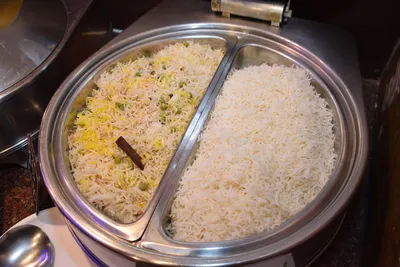
What Can I Cook With Rice? 9 Meals Beyond Plain Boiled
A bag of rice can be fried rice, pulao, khichdi, lemon rice or a cold curd rice. Nine dishes from real recipes, plus the cooked-rice safety rules most people never hear.
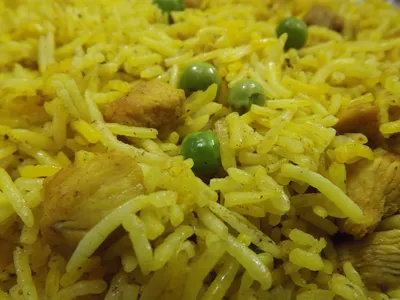
One-Pot Rice Dinners Compared: Pulao, Tahiri, Khichdi
One pot, rice inside, dinner done. Five desi one-pot rice dishes compared by total time and effort, so you can pick the right one for tonight's energy level.
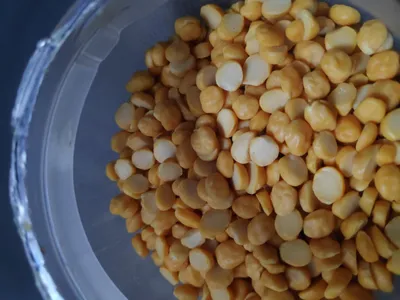
Why Won't My Daal Soften? Causes and Fixes
When daal stays firm no matter how long it boils, the lentils are not always the problem. Check these six causes, then use the rescue steps for a pot that is already on the stove.
How to Cook Basmati Rice So the Grains Stay Separate
Separate, long grains come from rinsing, a short soak, the right amount of water for your method and a rest off the heat. Here are the numbers, including the two methods our recipes use.