 Degchi
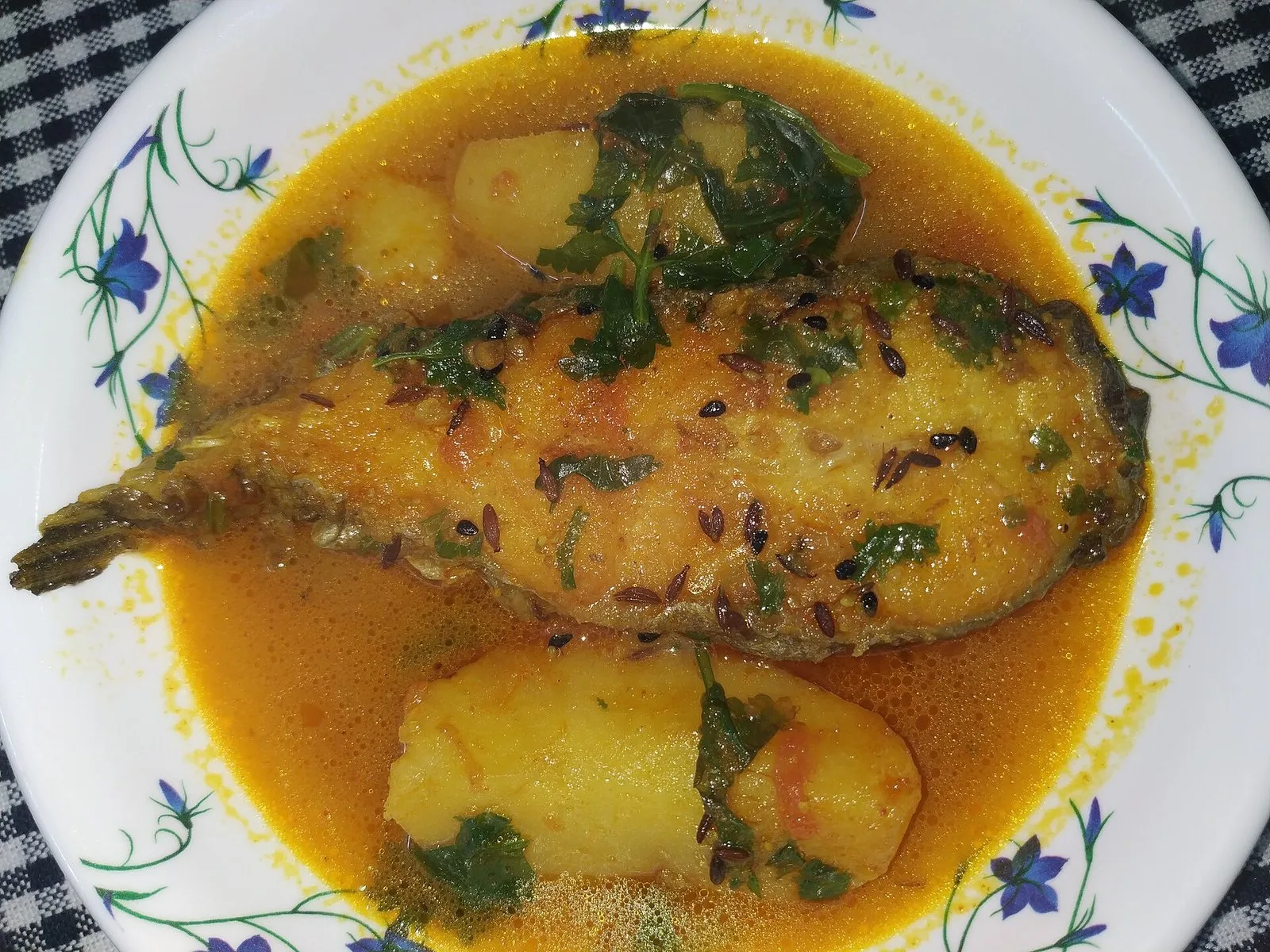
Photo: Atudu / CC BY-SA 4.0
Macher Jhol: Why Fish Breaks Apart or Smells Strong
Your fish went into the pot as neat steaks and came out as flakes in a cloudy broth. Or the kitchen smells like a fish market for two days. If you are asking why does fish fall apart in curry, the answer lies in when it goes in and how it is handled, not the fish itself.
Our macher jhol recipe is built to avoid both problems. It serves 4 with 500 g (just over 1 lb) of rui (rohu) steaks, 2 potatoes, 1 tomato and 3 tbsp oil, in 15 minutes of prep and 25 of cooking.
The order that keeps steaks whole
- Rub the fish with a little turmeric and salt.
- Shallow-fry briefly in the oil until lightly firm, then set aside.
- In the same oil, cook the remaining turmeric, red chilli and cumin with a splash of water for a minute.
- Add the tomato, cooking until the oil separates.
- Add potato wedges and enough hot water for a thin curry; boil, then simmer until the potato is tender.
- Slide the fried fish back in and simmer only 3 more minutes.
The fish spends 3 minutes in the gravy, not 20. A lightly fried surface sets the outside, so the steak holds together. That one change fixes most broken fish.
Common reasons fish breaks
- Raw fish dropped into boiling water. The outside overcooks while the middle is raw, and the steak splits. Frying first prevents it.
- Stirring. Shake the pan or tilt it. Do not use a spoon.
- Hard boil. Hold the gravy at a gentle simmer once the fish is in.
- Wet fish. Pat the steaks dry with paper before the rub, or they steam instead of fry and tear when turned.
- Frozen fish thawed badly. Thaw in the fridge overnight, and dry well. See our post on Bengali fish curry with frozen fish.
Hilsa is much bonier, so for that we shake the pan only, as described in the shorshe ilish recipe.
Taking the fishy smell down
A fish should smell of the sea, faintly, not sharp or sour. If it smells strongly of ammonia, do not cook it. For mild fish, three habits help:
- Salt and turmeric rub. Our recipe does this before frying, and cooks often leave it 10 to 15 minutes.
- Rinse once, then dry. A short rinse under cold water removes surface slime; drying matters more than rinsing.
- Fry in hot oil, with ventilation. Turn the extractor on before you start.
<!-- VERIFY: ammonia smell as a spoilage sign and rinse-then-dry advice; general food-safety guidance, not from our recipe data -->
Lemon juice or vinegar in the rub is a common trick, though our recipe does not use it.
A thin gravy done properly
Macher jhol is a thin, brothy curry spooned over rice. Many first attempts go thick or flat.
- Too thick. Add hot water, not cold, and re-salt.
- Too thin and bland. Cook the tomato until the oil separates before adding water. That step builds the flavour.
- Raw spice taste. The splash of water with cumin, chilli and turmeric needs a full minute.
- Potato falling apart. Cut wedges, not small cubes, and add them with the water.
The tip in our recipe is blunt: keep it thin and brothy, since it is not a thick gravy.
How much fish and what kind
Rohu steaks suit this recipe, as the data says, and any firm fresh-water fish with bones is fine. In the US and UK, thawed frozen rohu from a South Asian grocer is common. For boneless fish like tilapia or catfish fillets, reduce the final simmer to 2 minutes because there is no bone to slow the heat.
<!-- VERIFY: substitute fish (tilapia, catfish) timing is an estimate, not tested -->
Fish should reach 63 C (145 F) at the thickest point, a standard safe temperature, and will usually be opaque and flake gently when ready.
<!-- VERIFY: 63 C / 145 F fish cooking guidance; standard US food-safety figure, confirm against FSIS/FDA -->
Cutting and frying the steaks
Ask the fishmonger for steaks about 2.5 to 3 cm (1 inch) thick, because thin pieces overcook the moment they meet the gravy. If you cut them yourself, cut across the bone, and keep the tail piece for a quick fry on its own since it cooks faster.
Fry on medium-high heat in a single layer. A crowded pan lowers the oil temperature, the fish steams and sticks, and turning it tears the surface. Leave each side alone for the first 60 seconds. When the steak releases from the pan on its own, it is ready to turn. The aim is a pale, lightly set crust, not a golden finish. It finishes cooking in the gravy.
Serve straight away. Fish left sitting in hot gravy keeps cooking, and the steaks that held together at the stove can loosen by the time everyone sits down.
Weeknight timeline
- 0:00 Rub fish with salt and turmeric, put rice on.
- 0:10 Fry the steaks, 2 minutes each side, set aside.
- 0:15 Spice, tomato, potatoes, water.
- 0:30 Potatoes tender, fish back in.
- 0:33 Coriander, serve over rice.
Leftovers keep a day in the fridge, but fish reheats poorly, so warm gently and do not stir. Have extra fish for lunch? Try maach bhaja on its own. Degchi's pantry check can show if you have the spices and potatoes in already.
Related recipes
Related posts
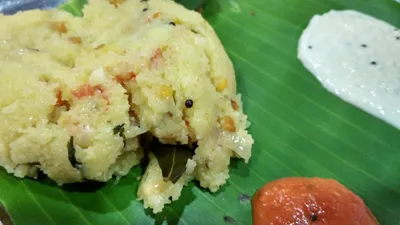
What to Cook With a Cup of Semolina (Suji)
Half a bag of suji sits at the back of the cupboard for months. One cup of it is breakfast tomorrow, a dessert tonight, or a tray of Gulf cake at the weekend.
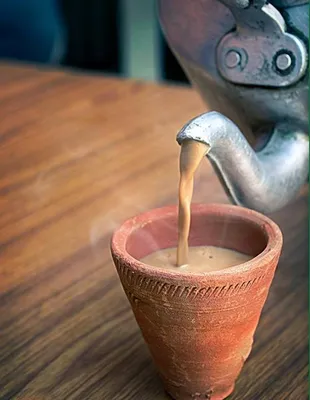
Chai Colour Guide: What Amber, Red-Brown and Pink Mean
The colour of a cup of chai tells you which tradition you are in and whether the boil went right. A guide to amber, red-brown, pale beige and pink, with the clues from our recipes.
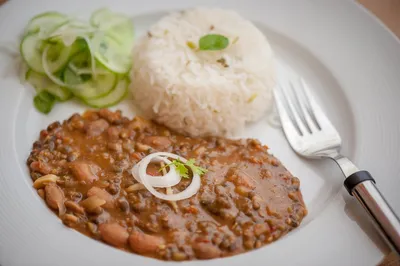
Winter Desi Dinners: One Sunday Pot, Three Cold-Night Meals
Winter desi dinners that improve overnight. Pick one pot on Sunday, then turn it into three different meals during a dark, cold week, with amounts, timings and reheating rules.
What to Thaw Tonight: A Fridge Thaw Schedule for the Week
The 5 pm moment when the chicken is still a block of ice is a planning problem, not a cooking one. A simple night-before thaw schedule fixes it.