 Degchi
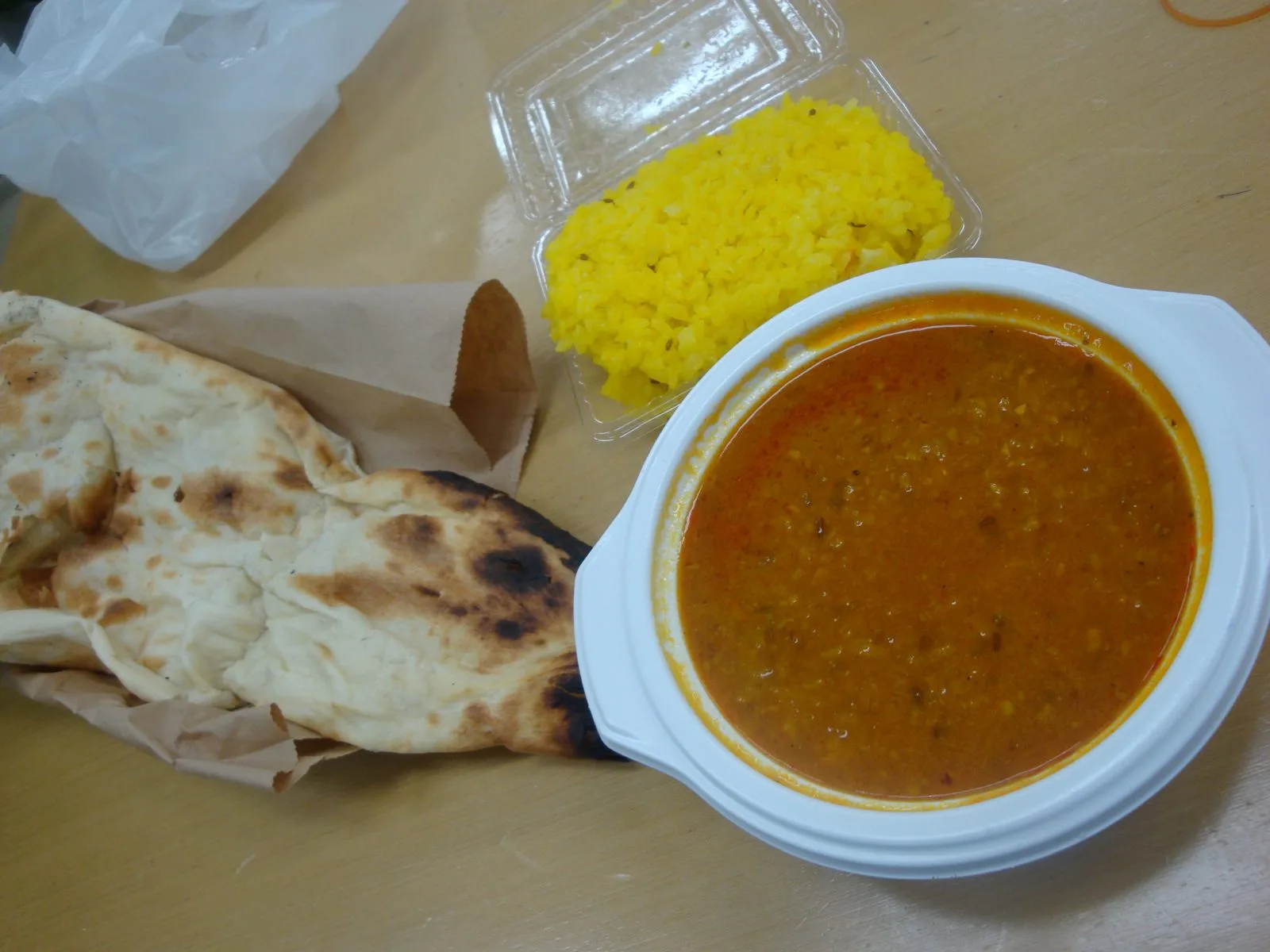
Photo: David Pursehouse / CC BY 4.0
Gulf Expat Kitchen Staples: What to Stock and What to Swap
A good news start
If you cook South Asian food in the Gulf, most of your pantry is probably easier to find than you fear. Hypermarkets and neighbourhood groceries carry lentils, basmati, atta, ghee and a wide range of spices. The gaps are usually fresh herbs and vegetables, regional specialities, and the exact brand you grew up with. This guide covers a starter list and sensible swaps.
The core shelf: buy these first
These keep well and cover most weeknight dishes:
- Rice: basmati for everyday, and a bag of sella if you cook biryani for guests. Availability varies by city and store.
- Lentils and pulses: red lentils (masoor), chana daal, moong, toor, chickpeas, and rajma. These are the base of daal, chana masala and rajma.
- Flour: atta for rotis, plus plain flour for occasional baking.
- Fats: a bottle of cooking oil and a tin of ghee.
- Whole spices: cumin, coriander seeds, black pepper, cardamom, cloves, cinnamon, bay leaf.
- Ground spices: turmeric, red chilli powder, coriander powder, garam masala.
- Tinned tomatoes and chickpeas. A pantry rescue on a tired evening.
- Onions, garlic, ginger and a bag of potatoes.
If you are new to organising these, our first kitchen pantry starter list is a good companion.
Swap list: when the usual item is missing
These are practical substitutions, not exact equivalents, so taste as you go.
- Fresh curry leaves missing: leave them out of a tarka rather than replacing them. Dried curry leaves are weaker but still add a little aroma.- Fresh green chillies hard to find: use a pinch of dried chilli flakes or a small amount of chilli paste, and add gradually.
- Fenugreek leaves (methi): dried kasuri methi, crushed over the dish near the end, is the usual stand-in.
- Paneer: halloumi is widely sold and holds its shape when fried. It is saltier, so reduce salt in the gravy. Fresh cheese blocks in Gulf supermarkets, such as akkawi, can also work after soaking out some of the salt in water; taste a piece first, since salt levels vary by brand.
- Dahi (plain yoghurt): plain full-fat yoghurt is easy to find. Laban works for marinades and kadhi, but is thinner and tangier.- Tamarind paste: a squeeze of lemon with a little sugar gives a similar sour-sweet effect.
- Coriander leaves: flat parsley is a milder cover, but fresh coriander is almost always available at vegetable stalls, so check there first.
Shop in two places
Many Gulf families use two stops: the big hypermarket for staples and cleaning supplies, and a smaller grocery or vegetable market for fresh herbs, chillies and seasonal produce. The small shops often have better prices on vegetables and spices, and turnover is quick. Our idea of a two-store grocery run works well here.
Heat, humidity and storage
Gulf kitchens are hot, and spices, flour and rice are happiest kept cool and dry. Decant into airtight tubs, label them with the month, and avoid storing next to the cooker. Ground spices lose their punch faster in heat, so buy smaller quantities of them and larger quantities of whole spices. For flour, keep it sealed and check for insects now and then. If you see any, discard it. In very hot weather, some families keep atta in the fridge, which also saves space in a cupboard that gets warm in the afternoon. This is a common household tip, not a requirement.
Halal and label checks
Most meat in the Gulf is halal by default, but if you buy imported or processed foods, check labels and certification marks as you normally would. Ingredient lists are often in English and Arabic, and a quick look at the Arabic or English text can tell you what is inside a packaged masala or stock cube.
If a label is unclear, ask the shop staff or choose a brand you already know. Keep a short note in your phone of the packaged brands your family likes, so the next shop is quicker and you are not reading every tin from scratch.
Budget notes
- Buy staples such as rice, lentils and oil in the larger sizes when you have the storage, but compare unit prices per kilo or litre.
- Buy fresh herbs in small amounts and use them within a few days.
- Plan one or two meatless dinners each week. Lentil and chickpea dishes cost far less per serving than meat. See our guide to meatless days.
- Keep a small "home taste" shelf for treats you bring back from visits, and use the everyday local products for daily cooking so the treats last longer.
- Write down what you pay for your top five staples for a month. Seeing the pattern makes it easy to spot which shop is cheapest for which item.
Stay on top of it all
Moving countries makes you re-learn your own cupboard. A pantry app helps because your shelf looks different every time you travel back home and restock. In Degchi, log what you brought back from a visit, mark the stuff you are low on, and open the app when you ask what can we cook today. It matches your real stock to recipes, so you use the imported saffron or the special pickle before it sits for a year, and you only buy locally what you actually lack.
Quick recap
- Build a core shelf of rice, lentils, flour, fats and whole spices.
- Learn a handful of swaps: kasuri methi, halloumi, yoghurt, lemon.
- Store everything airtight and away from heat.
- Shop staples in bulk and fresh produce in small amounts.
A few weeks in, you will know your local shops as well as your old ones back home.
Related recipes


Related posts
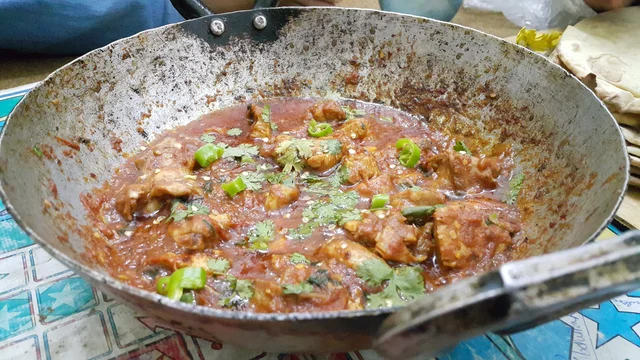
15 Pakistani Dinner Ideas for Busy Weeknights
Fifteen Pakistani dinners that actually fit into a weeknight, grouped by how long they really take — from 20-minute eggs to slow, mostly-unattended curries.
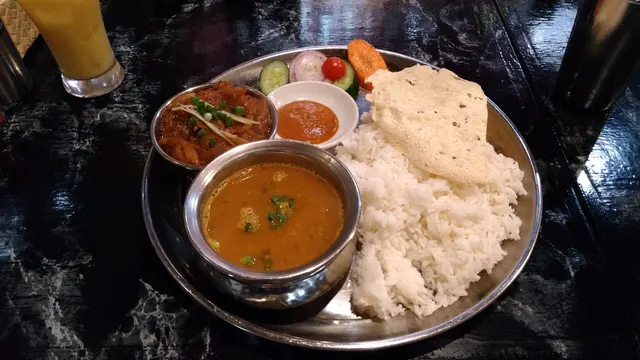
What Can I Cook With What I Have? A Five-Minute Pantry Method
You probably have a dinner in your kitchen already. Here is the five-minute method we use to find it, with real examples from South Asian home cooking.

Summer Drinks From a Desi Pantry: Six Glasses, Five Minutes
It is 40 degrees outside and the fridge has yogurt, limes and a bottle of syrup. Six no-cook drinks from our recipes, sorted by what you already have and how long each takes.
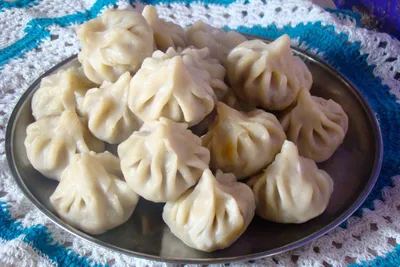
How to Make Modak: Ukadiche Modak at Home
Ukadiche modak is a steamed rice-flour dumpling with a coconut and jaggery filling. Here is the method, the hot-dough rule that matters most, and how it differs from fried modak.