 Degchi
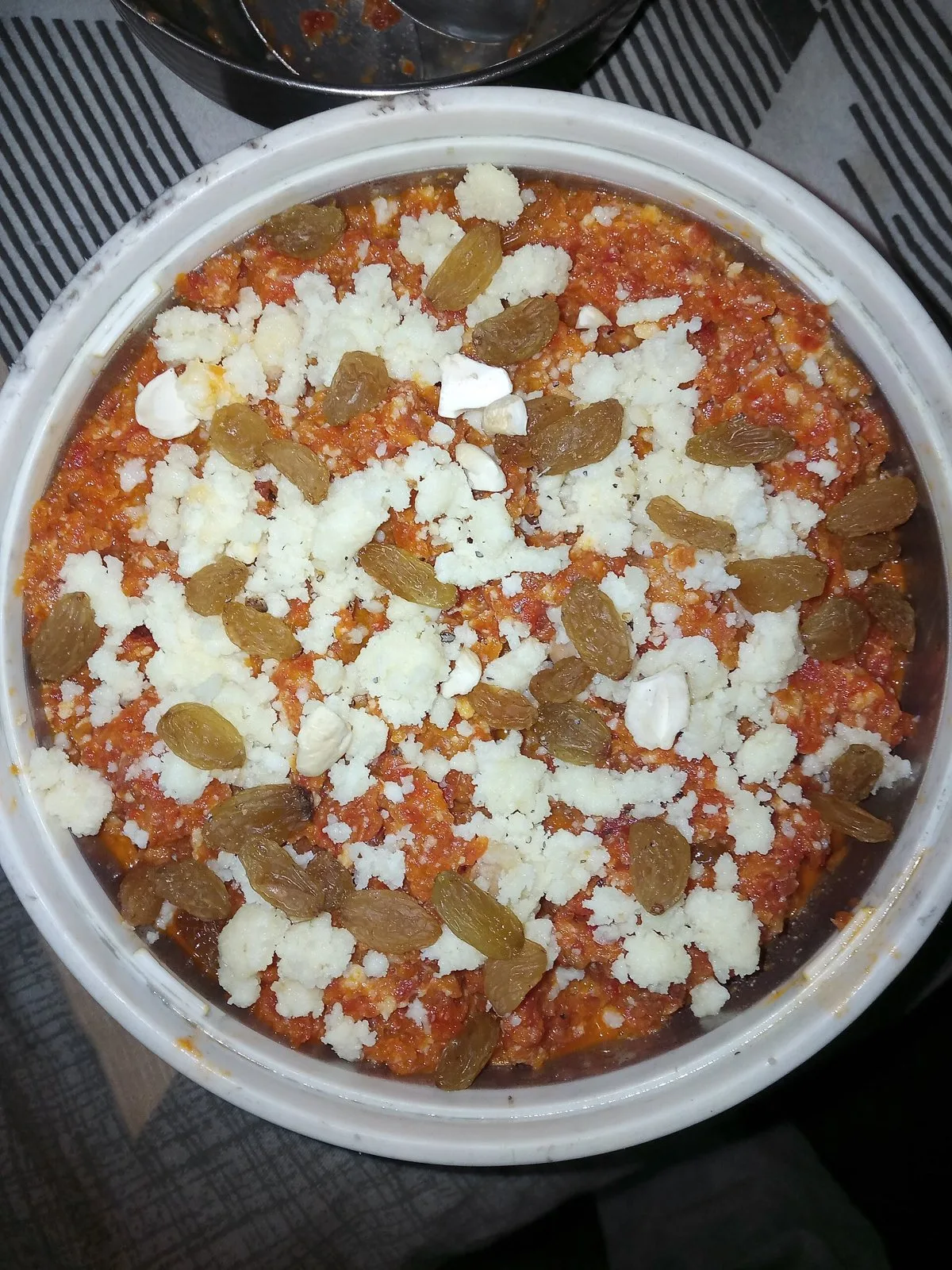
Gajar Halwa Watery, Pale or Scorched? Fixes That Work
Forty minutes in, the pot still looks like carrots floating in warm milk. Or the carrots are done, but the base has a dark layer and the whole thing tastes faintly of toast. Gajar halwa punishes anyone who rushes it.
The upside is that the recipe has a clear order and clear markers. Follow them and you get a halwa that is glossy, deep orange and thick enough to hold a spoon. This is how our gajar halwa recipe works, and where it goes wrong.
The quantities, so you can check your own
For 6 servings: 1 kg of carrots, 1 litre of milk, 150 g of sugar, 100 g of ghee (clarified butter), 4 cardamom pods and 3 tablespoons of chopped nuts and dry fruit. Prep is 15 minutes and cooking is 60.
<!-- VERIFY: ingredient amounts were read from the recipe data by position (carrot 1 kg, milk 1 l, sugar 150 g, ghee 100 g); confirm sugar and ghee against the live recipe page. -->
That is a lot of milk for the carrot, which is why the first half of the cook is simply evaporating it.
Grate fine, and the pot decides the speed
Peel and finely grate the carrots. Coarse shreds take much longer to soften and release less sweetness. A food processor grating disc is fine, as long as the shreds stay fine.
The pot matters even more. Our tip is a wide, heavy-bottomed pot, because the milk reduces faster and without scorching. A wide pan has more surface area, so more water leaves each minute. A tall narrow pot takes longer to evaporate. A thin pot gets hot spots, and the sugar and milk solids catch.
The timeline
Here is the sequence from the recipe, with the markers to look for.
- Boil (about 5 minutes). Carrots and milk go in together, medium heat, until it boils.
- Reduce (about 35 minutes). Lower the heat. Stir often. The milk shrinks and is mostly absorbed. This is the long stage. If you cut it short, the halwa stays wet forever.
- Ghee (about 4 minutes). Add the clarified butter and cook until fully combined. The mixture turns glossy.
- Sugar (about 11 minutes). Add the sugar and keep cooking until the mixture leaves the sides of the pan. The sugar melts and loosens everything first, so it looks wetter for a while. Do not panic.
- Cardamom (1 minute). Crushed cardamom goes in last, so the aroma is fresh.
- Garnish. Chopped nuts and dry fruit, then serve warm.
The finish line is "leaves the sides of the pan." When you stir, the mass should move as one piece and the base of the pot should show a clean line for a second.
Problem: watery
Cause: not enough reduction before the sugar went in, or a pot that is too narrow.
Fix: keep cooking. Sugar draws water out of the carrots, so the mixture always gets wetter after the sugar goes in. Medium heat, steady stirring, and give it another 10 to 15 minutes. If it is still soupy, move it to a wider pan.
Problem: pale and bland
Cause: pale summer carrots. Our tip says deep-red winter carrots make a sweeter, richer halwa than the pale summer type.
Fix: if you can only get pale carrots, you cannot add colour or sweetness that is not there. Cook it a little longer so the sugars caramelise lightly, and add a pinch more cardamom. Think twice before adding food colour; it gives colour and nothing else.
Problem: burnt base
Cause: heat too high during the dry stage, when there is little liquid left to protect the pot.
Fix: scrape the base with a flat spoon every minute once the milk is mostly gone. If you smell burning, do not scrape the bottom. Move the clean top layers into a fresh pot and discard the dark crust. The burnt flavour spreads when you stir it through.
Problem: greasy
Cause: ghee added too early, or too much. The recipe adds it after the milk has reduced, because carrots full of milk cannot take fat well.
Fix: cook it a few minutes longer, so the mixture absorbs the ghee. Blot the surface with a paper towel at the end if a pool remains.
Storage and reheating
Cool it and refrigerate within a couple of hours. Reheat a portion in a pan with a spoon of milk, or in the microwave for about 1 minute, stirring halfway. See our guide to how long mithai lasts for storage rules on milk-based sweets.
<!-- VERIFY: "refrigerate within a couple of hours" follows general guidance for dairy desserts; there is no halwa-specific shelf life in our recipe data. -->
Serving and finishing touches
Gajar halwa is best warm. It tightens as it cools, so a halwa that seemed slightly loose at the stove will be right by the time it reaches the table. If you are serving it a day later, warm a portion with a spoon of milk and stir until glossy again.
Garnish with the chopped nuts and dry fruit at the end, not during cooking. Nuts added early soften and lose their bite. A handful of lightly toasted almonds or pistachios on top gives a contrast with the soft carrot. Some families add a spoon of khoya or a little cream at the very end for richness. That is optional, and it makes the dessert heavier.
If you are cooking for a crowd, double the recipe only if you own a very wide pot. Two batches in two pans reduce better than one deep pot of the same volume.
Halwa cousins
If you want the same kind of dessert faster, suji halwa takes about 25 minutes and a roasted semolina base, which gives you a thick halwa without the long reduction. If you want something wetter and milkier, kheer is the same pot of simmered milk, with rice. Both are sweet, so serve small portions.
When you plan a winter dessert, check your stock of ghee, sugar and cardamom before the shopping trip. Degchi can list what is missing from your pantry.
Related recipes
Related posts
One Sunday Pot of Daal, Three Different Dinners
One pot of plain daal can become a soup, a dry-ish side and a quick khichdi. Here is how to stretch a single batch across the week.
Pantry Inventory: App, Spreadsheet, or Paper Note? An Honest Comparison
The best pantry tracker is the one you will actually keep updated. Here is how a paper list, a spreadsheet, and an app compare in daily use.

Pani Puri vs Golgappa vs Puchka: Names and Differences by Region
One crisp hollow shell, one tangy water, many names. Here is what people call pani puri in different places, how the fillings differ, and where sources disagree.
A 7-Dish Pakistani Iftar Menu, in US Cups and Ounces
Seven dishes that make a classic Pakistani iftar table, with amounts in US cups and ounces, who they serve, and an order of work so it all lands at sunset.