 Degchi
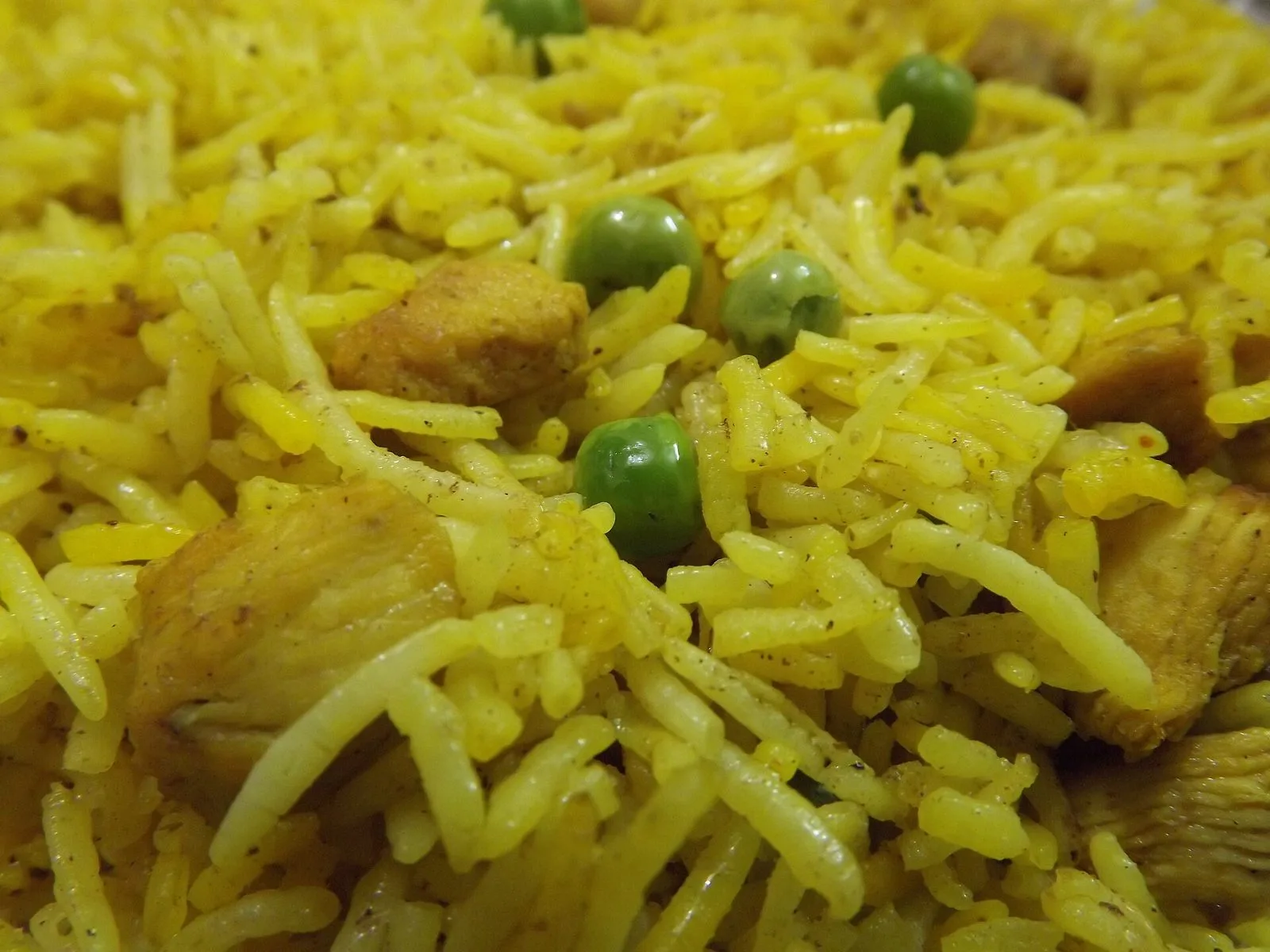
Photo: Sumit Surai / CC BY-SA 4.0
Basmati vs Sella Rice: Which One Should You Cook With at Home?
Two bags, one name
Walk down the rice aisle of an Asian store in Birmingham, Sharjah or Doha and you will see the same grain sold in two very different forms. One bag is plain white basmati. The other is labelled sella, golden sella, or parboiled basmati. The grains look different, smell different and cook differently, so it helps to know which one suits tonight's dinner.
What sella actually is
Sella rice is basmati that has been partly cooked in its husk before milling. The grain is soaked, steamed and dried, then polished. That is why sella grains are pale gold when dry and turn creamy white when cooked. The process makes the grain firmer, so it is harder to overcook and less likely to break.
Plain white basmati is milled without that step. The grains are more delicate, more aromatic to many people, and much quicker to go soft or snap if you stir too much.
Texture and flavour
White basmati cooks up light, long and slightly sticky at the edges if handled roughly. Sella cooks up separate, a little chewy and sturdy enough to hold its shape in a heavy, saucy dish. Many cooks find sella's smell mild and slightly nutty, while white basmati has the floral aroma people usually mean when they say "basmati". Taste is personal, so buy a small bag of each before committing to a 5 kg sack.
Soaking and cooking times
These are starting points, not rules, and brands vary, so read the bag first.
- White basmati: rinse until the water runs mostly clear, then soak for about 20 to 30 minutes. Cook in roughly 1.5 parts water to 1 part rice by volume for the absorption method, or boil in plenty of water and drain. Always follow the packet if it differs; brands vary.
- Sella basmati: rinse, then soak longer, often 30 to 60 minutes, because the grain is denser. It usually needs a bit more water, around 1.75 to 2 parts water to 1 part rice, and a few more minutes on the heat. Packaging varies, so treat these as starting points.
A practical metric guide: 200 g of dry rice (about 1 cup, or roughly 1 US cup scale) is a modest portion for two to three adults alongside a curry. For a family of five with a main rice dish, 400 to 500 g dry is a common range. These are rough household estimates, not nutritional guidance.
Which dish suits which rice
Choose sella for:
- Biryani and any dish where the rice is layered, covered and steamed for a long time. The grain survives the wait.
- Large gatherings, Eid lunches and potlucks, where rice sits in a pot or hot box for an hour before serving.
- Reheating. Sella tends to hold up better the next day. Always cool and refrigerate leftovers promptly; see our note on cooling and reheating rice safely.
Choose white basmati for:
- Simple weeknight rice beside daal, where you want light, fragrant grains.
- Pulao dishes cooked in one pot with a short simmer, such as chicken pulao or matar pulao.
- Anything you plan to eat straight away.
Either works for: plain boiled rice with daal, fried rice from leftovers, and khichdi, though khichdi is often made with a shorter or broken grain that cooks down softly.
Buying tips for UK and Gulf shoppers
Compare price per kilo, not per bag. Large sacks are usually cheaper per kilo, but only worth it if you have an airtight container and a cool cupboard. In hot Gulf kitchens, heat and humidity matter more than in the UK, so decant into a sealed tub and avoid keeping the bag next to the stove.
Look at the grain through the bag window if there is one. Whole, even grains are a good sign. Lots of broken pieces will turn mushy. Age matters too: many cooks swear that older, aged basmati cooks fluffier, but the label rarely says how old it is, so judge by results from a brand you trust.
Storing rice
Keep dry rice sealed, away from damp and strong smells. A tub with a tight lid works. If you buy in bulk, use the oldest bag first and write the month on the new one. Check now and then for tiny insects or a musty smell; if you see either, discard the rice rather than trying to rescue it.
A simple way to decide
If you only want one bag in the cupboard, think about what you cook most. Mostly daal, sabzi and quick pulao on weeknights? Choose white basmati. Mostly big-pot biryani, hosting, and next-day lunchboxes? Choose sella. Many families settle on a small bag of white for everyday and a big bag of sella for gatherings.
Keeping track without the waste
Rice is one of those items that you either run out of on a Friday evening or buy a third bag of because you forgot you had two. Logging each bag in a pantry app takes a few seconds. In Degchi you can mark white basmati and sella as separate pantry items and flag them as low, so the shopping list reminds you before the weekend. When you open the app and ask what can we cook today, it can then suggest dishes that fit the rice you actually have, rather than the rice you wish you had.
Quick recap
- Sella is parboiled: firmer, more forgiving, ideal for biryani and big batches.
- White basmati is delicate and aromatic: ideal for everyday rice and quick pulao.
- Soak sella longer and give it a little more water.
- Buy by price per kilo, store airtight, and rotate stock.
Try both in the same week, note what your family prefers, and stock accordingly.
Related recipes
Related posts
Why Is My Biryani Rice Mushy? Causes and Fixes
Mushy biryani rice has a handful of causes, and each one leaves a different clue in the pot. Find your symptom, then the fix for next time.
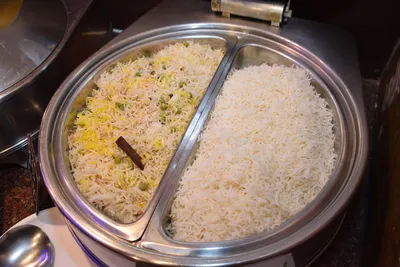
How to Cook Basmati Rice So the Grains Stay Separate
Separate, long grains come from rinsing, a short soak, the right amount of water for your method and a rest off the heat. Here are the numbers, including the two methods our recipes use.
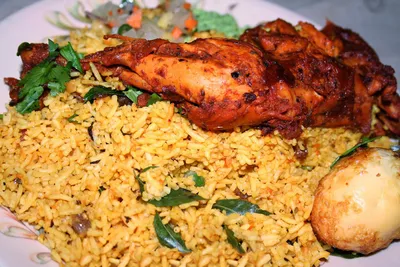
Chicken Biryani Recipe at Home: Layers, Dum, No Mush
A chicken biryani recipe at home comes down to three things: a thick gravy, rice boiled only to 70 percent, and a tight seal. Here is the order of work with amounts and timings from our recipe.
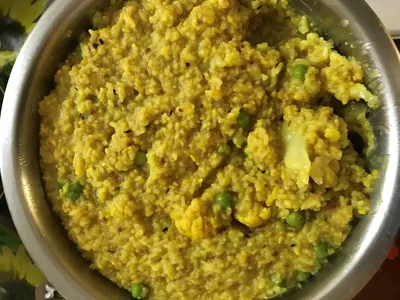
Rice Cooker Desi Meals: One-Pot Dinners Beyond Plain Rice
A rice cooker is the most underused desi kitchen tool. It can make basmati, khichdi and simple pulao while you handle everything else.