Degchi
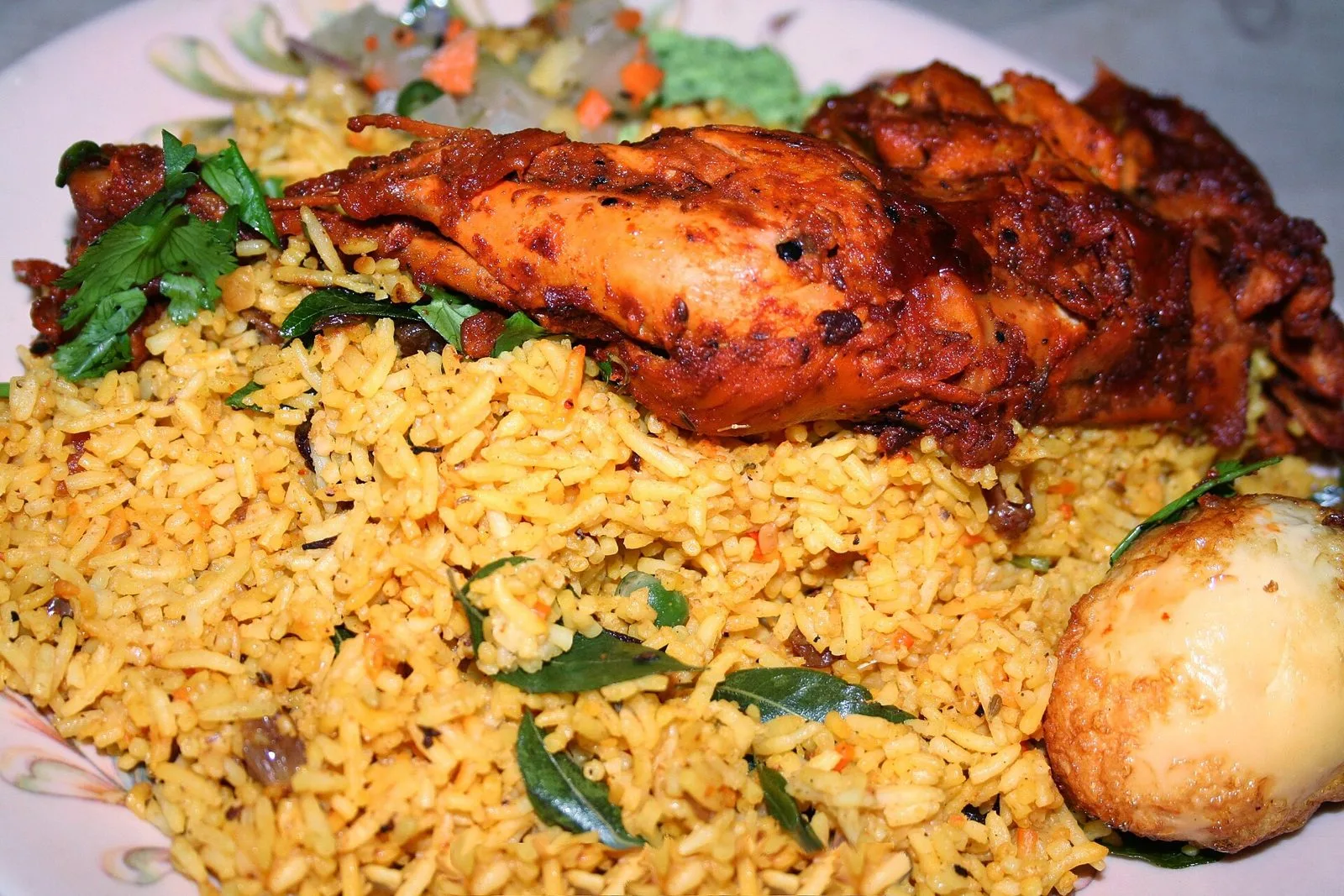
Photo: Shehal / CC BY-SA 4.0
Why Is My Biryani Bland? Salt, Masala and Layering
You used all the right things. The masala was fresh, the chicken was good, the kitchen smelled wonderful for an hour. Then you opened the pot and the first forkful was oddly quiet: pale rice, mild meat, flavour sitting in one layer instead of through the whole dish.
Biryani is built in layers, and a bland result means one layer did not contribute. The usual causes are salt, the gravy, the marinade, the rice and the seal. Check them in that order.
Salt is the first suspect
Rice and meat are seasoned separately in biryani, then meet in the pot. If either is under-salted, the whole dish tastes flat, and you cannot fix it by sprinkling salt over the top at the table.
Our Chicken Biryani recipe has a specific step for this: after the chicken and tomato gravy is cooked, taste it and adjust the salt, because it "should be slightly stronger than usual since the rice will absorb some of the flavour". The rice is also boiled in plenty of salted water with whole spices. So there are three salt points: the marinade, the gravy and the rice water.
A reasonable rule is to make the rice water taste noticeably salty, like mild seawater, before the rice goes in, because the rice is only in it for 5 to 6 minutes and will drain off most of it. And taste the gravy at the point of layering. If it tastes just right on its own, it is too mild for the finished biryani.
A short marinade is the second
The Hyderabadi Biryani recipe marinates 1 kg (2.2 lb) of chicken in 300 g (1 1/4 cups) of yogurt with ginger-garlic paste, biryani masala, chilli, herbs and half the fried onions for at least 2 hours in the fridge. Kacchi Biryani Dhaka also marinates, with the pot refrigerated for 2 hours. The simpler Chicken Biryani says at least 30 minutes.
If you only gave the meat 15 minutes, the salt and spice have not travelled in. With raw meat and a sealed pot, as in kacchi and Hyderabadi styles, the marinade is the only chance to season the meat from the inside. Give it the full time, and refrigerate it.
The gravy was too thin or too pale
In a pakki-style biryani (the meat is cooked in a gravy first), the masala layer carries most of the flavour. Our chicken biryani method cooks the marinated chicken and tomatoes covered on medium heat for about 20 minutes, until the chicken is roughly 80% cooked, the gravy is thick and oil floats on top. If you stopped sooner, the gravy is watery and its flavour is diluted, and the rice on top has nothing to absorb.
Signs to look for before you layer:
- A thick gravy that clings to the spoon.
- A film of oil at the edges.
- A deep, glossy colour, not pale and wet.
Fried onions: go darker
The onions are a big flavour source, and our recipes call for deep golden and crisp. The chicken biryani recipe fries them for around 10 minutes over medium heat, stirring often, and removes half for garnish. Pale onions give a sweetish, flat base, and burnt onions give bitterness. Aim for the colour of strong tea at the edges.
The rice: undercooked, overcooked or plain
Rice boiled to about 70% (it snaps when pressed but has a white core, per our recipe) is ideal for finishing in steam, as it soaks up the gravy's flavour during dum. Rice that was fully cooked before layering turns mushy, and mushy rice also tastes bland since it cannot absorb anything. If your rice problem is texture, see why biryani rice goes mushy.
Also layer properly. Spread the rice evenly over the gravy without pressing, then add the onions, herbs, chillies and, if you use it, saffron milk and ghee. A thin layer of fragrant stuff on top of the rice is what you smell when the lid comes off.
The seal and the dum
If steam escapes, flavour escapes with it. The tip in our Hyderabadi recipe is blunt: sealing the pot well is the real secret, since steam must not leak while the rice and chicken finish together. Seal with a tight lid, foil or a strip of dough.
Typical dum times from our recipes:
| Recipe | Dum (lowest heat) | Rest, sealed |
|---|---|---|
| Chicken Biryani | 20 minutes | 10 minutes |
| Hyderabadi (raw marinated chicken) | about 45 minutes | 10 minutes |
| Kacchi Dhaka (mutton, 1 kg) | about 75 minutes | 10 minutes |
Do not skip the rest. The pot sits unopened for 10 minutes, then you fold the layers gently from the edge so the gravy runs through the rice.
Fixes if the pot is already done
You can rescue a bland biryani a little.
- Make a quick topping masala. Heat 2 tablespoons (30 ml) of ghee, fry a sliced onion until dark, add 1/2 teaspoon of biryani masala, a pinch of salt and a splash of hot water, then spoon it over each plate.
- Serve with a salty, sharp raita: yogurt, cumin, mint, a little salt, a squeeze of lemon.
- Drizzle saffron milk or a few drops of kewra water over the rice, as the chicken biryani tips suggest for a festive finish.
- Add a squeeze of lemon at the table.
Try not to season the full pot at the end. Salt on top gives you salty bites and flat bites.
A weekend plan to fix it for good
- Friday evening: marinate with the full amount of salt and masala, and refrigerate.
- Saturday: fry the onions dark, cook the gravy until oil floats, taste it.
- Boil the rice to 70% in properly salted water.
- Layer, seal, dum, rest.
- Taste on the first plate and note what to change.
Biryani is long, and notes help. If you cook it often, the Chicken Biryani page on Degchi shows metric and US amounts and step timers, so changes are easy to repeat. For the full method, see how to make chicken biryani at home.