 Degchi
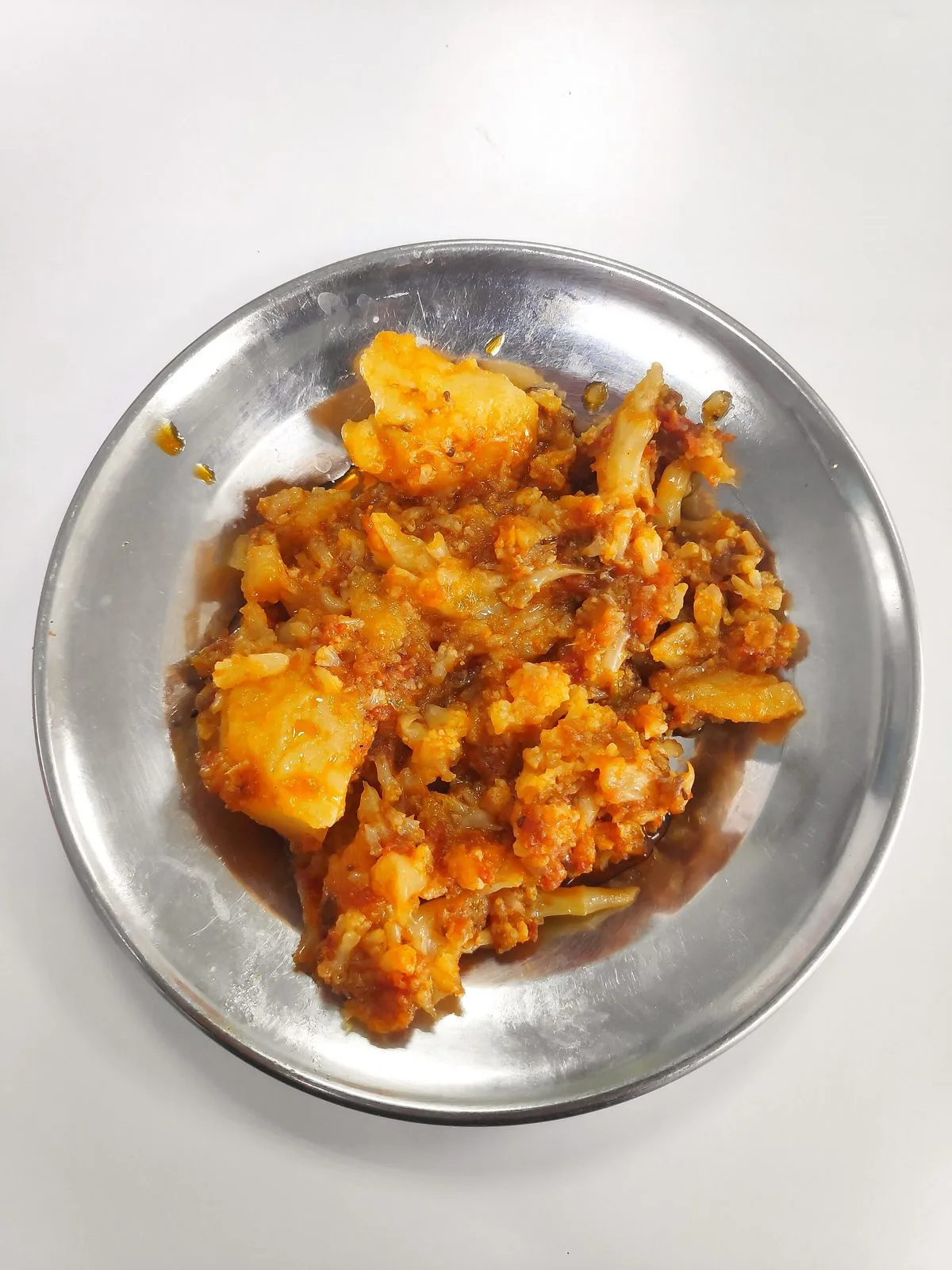
What Can I Cook With Cauliflower (Gobi)? Beyond Aloo Gobi
One head, about 600 grams of florets
A medium cauliflower weighs around 800 to 1000 grams (1.75 to 2.2 lb) as bought, and once the leaves and thick core are trimmed you are left with roughly 500 to 650 grams (1.1 to 1.4 lb) of florets. That is a dinner for three or four as a side, or a main for two if there is daal and roti next to it. If you stand in front of the fridge asking what can I cook with cauliflower, start by deciding whether you want a dry sabzi, a fried snack or something that disappears into rice. Each one wants a different cut.
Our recipe library has one dedicated gobi dish, aloo gobi, plus several recipes where cauliflower is a sensible swap or add-in. This post covers the dish properly and then the other uses, without pretending we have a recipe for every idea.
Aloo gobi: the dry-pan rules
The usual failure is a mushy, grey, watery pile. It happens for two reasons: the pan is too crowded, and the lid stays on too long. Cauliflower is about 90 percent water and it lets that water go the moment it heats. Trapped steam turns florets soft before they brown.
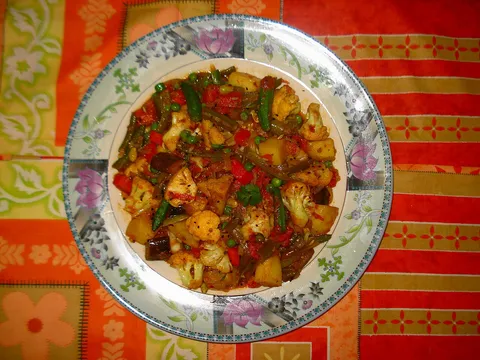
Cut florets to roughly the size of a walnut, so they cook in the same time as the potato chunks. Cut the potato smaller than you think, about 2 cm (3/4 inch). Heat the oil, bloom cumin, add the onion or tomato base if the recipe has one, then add the vegetables in a single layer if your pan allows it. Give them a few minutes uncovered before you cover them. When you do put a lid on, set it slightly ajar, and stir gently so you do not break the florets.
Salt late. Salt drawn in at the start pulls water out and makes browning harder. Add it once the florets have taken a little colour. Finish with a squeeze of lemon or a pinch of dried mango powder only after the heat is off.
Cutting it for different jobs
| Job | Cut | Why |
|---|---|---|
| Aloo gobi, dry sabzi | Walnut-sized florets | Holds shape, browns on the edges |
| Pakoras and fritters | Small, 3 to 4 cm florets, parboiled | Cooks through before the batter burns |
| Khichdi or pulao | Small florets or finely chopped | Melts into the rice and daal |
| Rice-style side | Grated or pulsed fine | Cooks in 5 to 6 minutes in a dry pan |
| Stir-fried masala | Thin slices through the head | Flat surfaces brown better |
Cauliflower pakoras
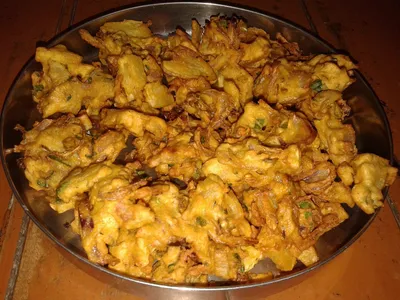
For pakoray, parboil the florets for 2 to 3 minutes in salted water, drain them on a clean towel and let them steam dry for a few minutes. Wet florets thin out the batter and the fritter turns pale and greasy. Dip, fry in medium-hot oil and keep the batch small so the oil temperature does not collapse. If you have never nailed the batter, our pakora batter guide covers the consistency. Cauliflower is one of the better pakora vegetables because the florets have nooks that hold batter.
Cauliflower in khichdi and pulao
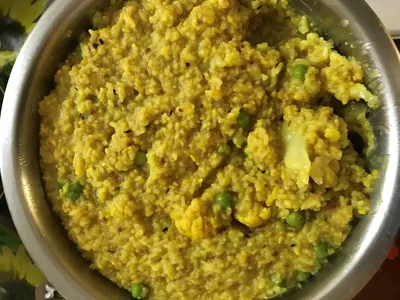
Chop the florets small and add them to khichdi along with the rice and lentils if the cooker has room. In a pressure cooker, small pieces will go very soft, which is exactly what you want in a comfort dish. If you would rather keep some bite, add them to the pot for the last 10 minutes in an open-pot version, or stir in lightly sauteed florets at the end. A tadka of ghee, cumin and a little hing over the top makes the whole bowl.
The stalk and the leaves
Do not bin the core. Peel the outer fibrous skin from the thick stalk with a vegetable peeler, slice it thin and cook it with the florets, or dice it small and put it in daal. It takes a few minutes longer than the florets, so cut it smaller. The tender inner leaves are edible too. Chop them like greens and cook them in a pan with garlic and a pinch of chilli, or add them to a mixed vegetable dish such as mixed sabzi. The tough outer leaves are best composted.
Buying and storing
A good head is firm and heavy for its size, with tightly packed curds and green leaves still attached. Brown or black spots are cosmetic bruising on the surface and can be trimmed away, but a slimy patch or a sour smell means it is past use. Store it unwashed in the fridge, stem down or in a loosely closed bag, and use it within about a week. Cut florets keep for a few days in a covered container, with a paper towel to absorb moisture.
Soaking florets in salted water for 10 minutes is common practice if you want to flush out any small insects hiding in the curds. Drain and dry them thoroughly afterward, or you will undo the dry-pan advice above.
Pairing it into a full meal
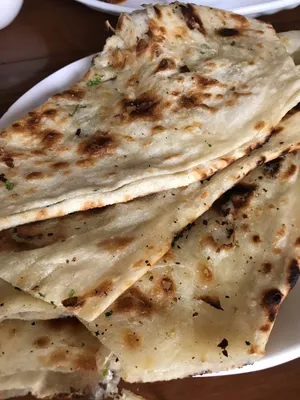
Aloo gobi wants something soft and something starchy beside it. Daal and tandoori roti is the classic pair, and it shares enough texture contrast to feel complete: dry sabzi, loose daal, bread. For a lighter plate, serve it with plain rice, yogurt and a simple salad. If you only have an hour, cook the daal first and let it sit, then make the sabzi while the roti dough rests.
A three-night plan from one head
- Night one: aloo gobi with roti and daal, using half the florets.
- Night two: parboil the remaining florets, fry them as pakoras and serve with chutney and tea.
- Night three: chop the stalk and any leftover bits into khichdi with a ghee tadka.
If you keep track of what is in the fridge, the Degchi app will list recipes you can cook from what you already have, which is the quickest way to spot cauliflower dishes you had forgotten.
Related recipes
Related posts
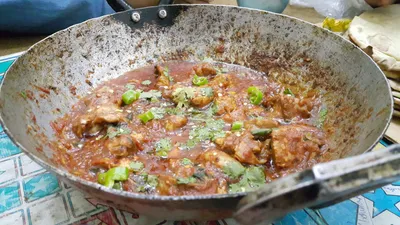
What Can I Cook With Chicken? 9 Dinners From Real Home Recipes
One pack of chicken, nine different dinners. Each idea below comes from a recipe we cook, with real amounts, cook times and the storage rules that keep leftovers safe.

What Can I Cook With Red Lentils (Masoor)? 7 Dishes From a 30-Minute Daal to Haleem
Red lentils (masoor) are the fastest lentil in the cupboard. Here are seven dishes from our recipes, from a 45-minute daal to an all-day haleem, with storage and swap tips.
Five-Ingredient Dinners From the Pantry (Salt and Oil Don't Count)
Short ingredient lists make weeknights easier, but only if you agree on what counts. Here are the rules we use, and dinners that hold up under them.

Leftover Cooked Chickpeas: What to Make With Half a Pot
You soaked and boiled the whole bag and now there is a lot left. Storage rules, freezing, and four dishes from our recipes that turn leftover chickpeas into dinner.