Degchi
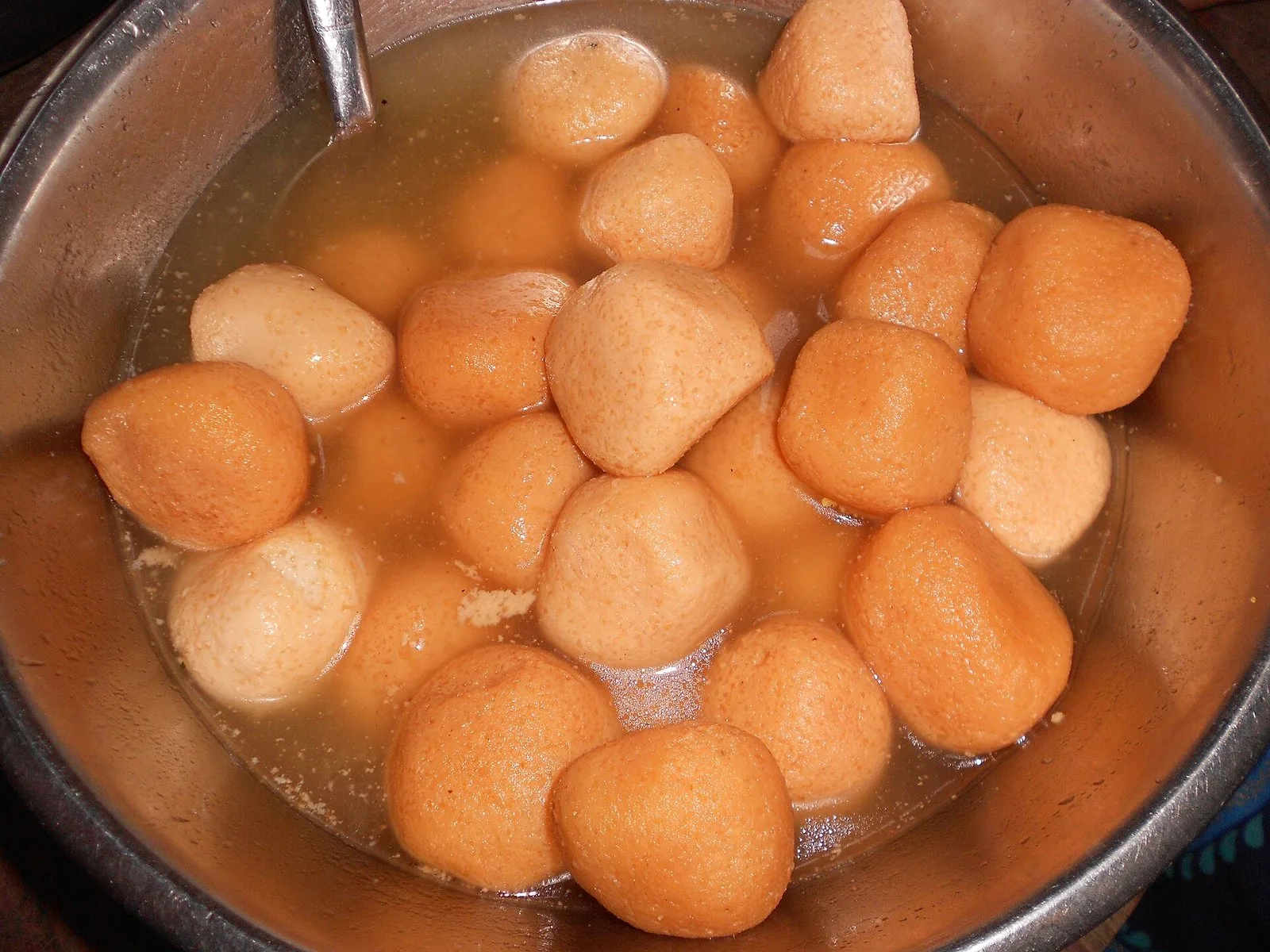
Photo: Riskyishwar / CC BY-SA 4.0
Rasgulla vs Roshogolla vs Chomchom vs Sandesh
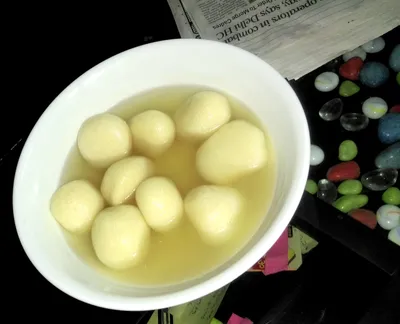
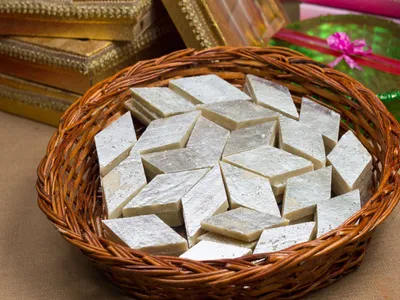
The box from the sweet shop has white spheres, pale ovals and a few stamped pieces that look like tiny biscuits. Someone at the table asks what the difference is, and everyone gives a different answer. Fair enough: rasgulla vs roshogolla is a spelling question, a regional question and, in places, a recipe question all at once.
What they share is more useful than what they argue about. All four sweets start with fresh milk curdled with something sour, then drained into a soft, crumbly curd called chhena (chhana in Bangla). Everything after that is a choice about hands, heat and syrup.
One base, four paths
Take full-fat milk, bring it to a boil, add lemon juice a little at a time and watch the milk break into curd and thin, greenish whey. The recipes in our library use between 1 and 1.5 litres (about 4.2 to 6.3 cups) of milk, and 2 to 3 tablespoons of lemon juice. Pour it through muslin, rinse it under cool water so the sourness washes off, then hang it for about 30 minutes.
From here:
| Sweet | What happens to the chhena | Meets syrup? | Shape |
|---|---|---|---|
| Rasgulla / roshogolla | Kneaded 8 to 10 minutes until smooth | Boiled in light syrup, served chilled | Smooth ball |
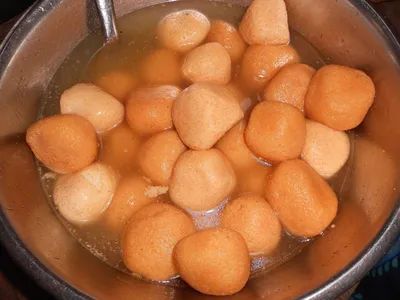
| Chomchom | Kneaded longer, 12 to 15 minutes, until stiffer | Boiled in syrup | Oval with tapered ends |
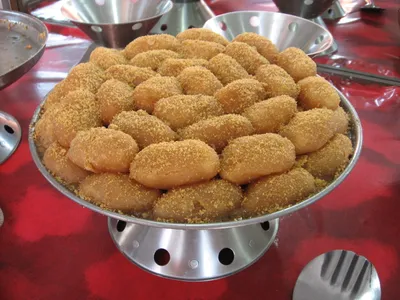
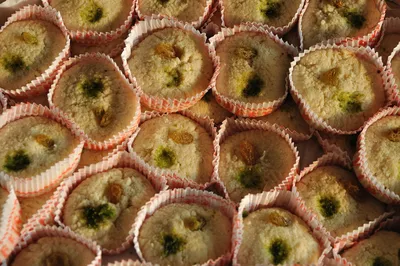
| Sandesh | Gently worked or cooked briefly with sugar, not boiled | No | Moulded or pressed |
The sandesh row is a loose summary, because home versions vary a lot. The first three rows follow the steps in the recipes on this site.
Rasgulla and roshogolla: same sweet, two spellings?
Mostly, yes. "Rasgulla" is the usual spelling in Hindi and English; "roshogolla" is closer to how Bengali is pronounced. Both words roughly mean a ball (golla) of juice or syrup (ros). Which region first made the sweet is a long-running argument between Odisha and West Bengal, and a blog post is not the place to settle it.
In the kitchen, the practical differences between our two recipes are small. The rasgulla recipe uses 1 litre of milk and 3 tablespoons of lemon juice, a teaspoon of flour, and syrup scented with crushed cardamom. The roshogolla recipe uses 1.5 litres of milk, 2 tablespoons of lemon juice and plain syrup, and makes 8 servings instead of 6. Both want the same thing: a chhena that is smooth enough to hold a ball.
The kneading test
This is where most batches are decided. Press a small piece of kneaded chhena between your fingers. It should feel soft and slightly oily from the milk fat, with no visible grains. If it feels gritty or crumbles when you roll it, keep kneading with the heel of your hand. If you roll a ball and a crack appears, knead again and re-roll; a cracked ball tends to break in the syrup.
Chhena that is too wet is the opposite problem. The balls look fine raw and collapse in the pot. Our recipes ask for about 30 minutes of hanging until the curd is "just moist, not wet". If it still drips, give it another 10 minutes.
Why chomchom is firmer
The chomchom recipe says to knead for 12 to 15 minutes, "longer than for roshogolla", until the curd is completely smooth and slightly stiff. That extra work gives a denser, more chewy-tender texture, which is what many people expect from chomchom. Shape it into small ovals, longer than a roshogolla ball, with slightly tapered ends. Boil it in the cardamom syrup, covered, for about 20 minutes in our recipe.
Many shops finish chomchom with a coating or filling, and that varies by region, so treat the plain version as a starting point.
Getting the boil right
The one rule shared by rasgulla, roshogolla and chomchom: lid on, rolling boil. Our rasgulla tip says boiling with the lid tightly closed traps steam pressure, which helps the balls double in size. A gentle simmer in an open pot is the common way to end up with small, dense balls. Fifteen minutes is the timer for rasgulla and roshogolla.
Then let them cool in the syrup. Chill rasgulla for at least 2 hours before serving. Do not skip this: the balls keep soaking up syrup as they cool, which is what makes the centre juicy.
Where sandesh fits
Sandesh skips the syrup bath. The sweetness goes in with the sugar, so it is the one to make when you want something dry enough to stack in a box. Our sandesh recipe starts from the same short ingredient list (milk, lemon, sugar) and makes 10 small portions, which is why it suits sharing. If you want to carry sweets to a gathering, how long mithai lasts and how to pack it and packing sweets for travel and gifts cover storage; dairy sweets are the ones to refrigerate.
Which one to make first
A short decision list:
- You want the classic and have never curdled milk: roshogolla or rasgulla. Syrup is forgiving.
- You like a firmer bite and have patience for kneading: chomchom.
- You do not want to manage a boiling syrup: sandesh.
- You want something cold and creamy after a heavy meal: mishti doi is a different route, but the same Bengali sweet table.
Degchi's recipe pages keep metric and US amounts side by side and have step timers, so you can run the draining and boiling clocks without a calculator; the pantry tool lets you check which of these you can already start with milk and lemon.