 Degchi
Reading a Degchi Recipe: Metric, US Cups and Servings
The Degchi guide · Part 4 of 15
The recipe that never quite fits
Maybe your mother gave you the method over the phone, in handfuls and "until it smells right". Maybe you found a recipe online written in grams while your measuring cups are the American kind. Or the recipe serves four and you are cooking for six on a Friday.
Each of those is a small fix, and each one is easy to get wrong halfway through dinner. A recipe page in Degchi is built to remove all three in one place, so you can read it once and start cooking.
What is on the page
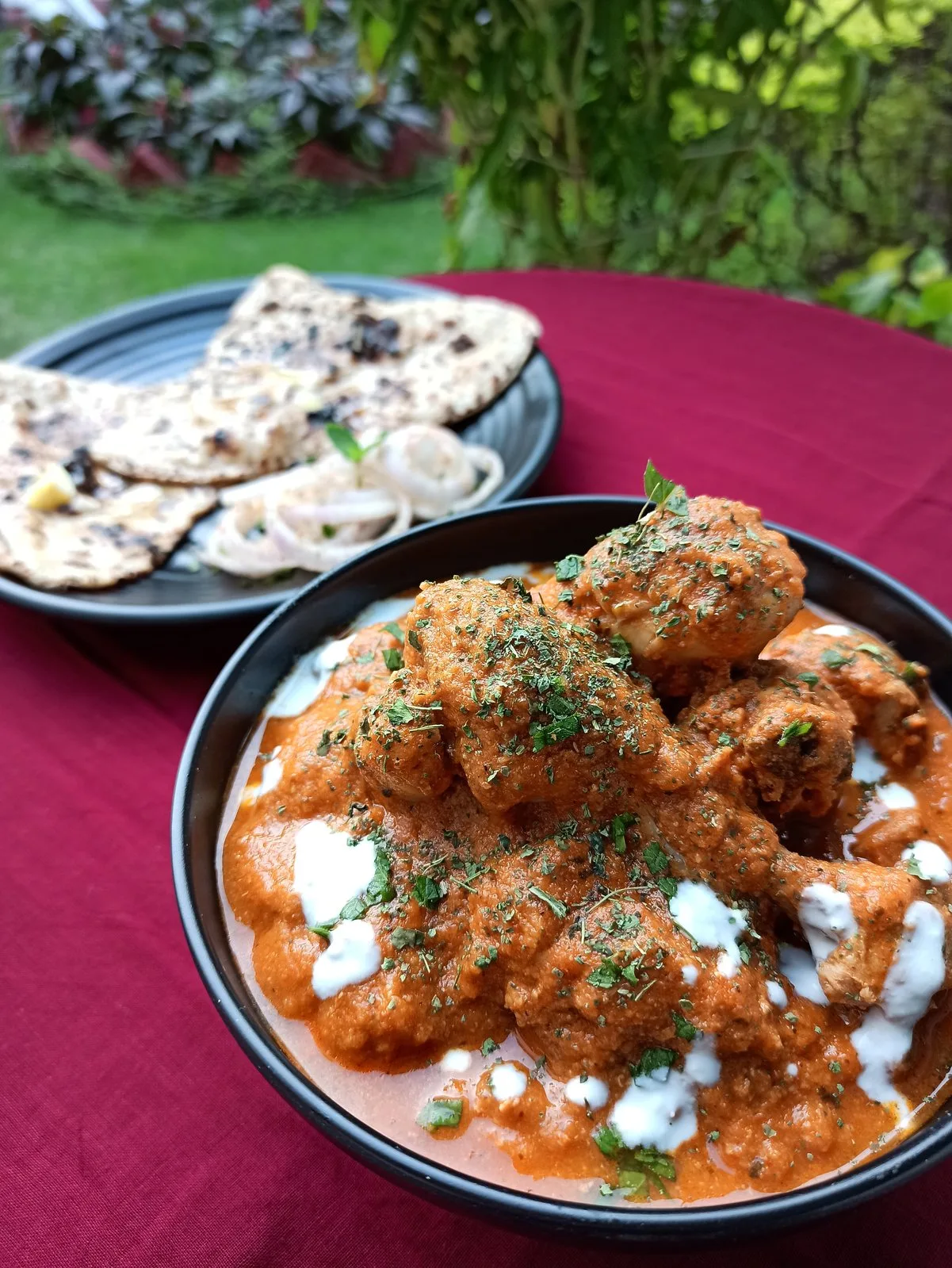
Open any dish, for example butter chicken, and you will see these things from top to bottom:
- The photo, with its credit. Dishes that have a photo show who took it and under which licence.
- Your taste. Two thumbs, "I like this" and "I don't like this". Tap one and Degchi remembers it.
- Ingredients, checked against your pantry. Each ingredient shows Have or Out, and a counter such as "6 of 6 in pantry" tells you at a glance whether you can start now.
- Units and servings. A Metric / US switch and a servings control with minus and plus buttons.
- Steps. Numbered, and any step with waiting time carries a timer.
- Tips. Short notes from the recipe, such as why you char the chicken first.
- Start cooking. A button at the bottom that opens cook mode.
Metric and US, one tap apart
Butter chicken is a good test because it mixes weight, volume and counting. In Metric you see 600 g of boneless chicken, 100 g of yogurt and 100 ml of cream. Switch to US and the same lines read in pounds and cups, while spoon measures such as teaspoons and tablespoons stay as they are.
You do not have to calculate anything, and you do not have to keep a conversion chart open on the counter. Degchi remembers the setting you choose, so the next recipe opens the same way.
Scaling servings without ugly numbers
Say the recipe is written for four people and your table is six. Press the plus button on the servings control twice. Every quantity scales together: 600 g of chicken becomes 900 g, and the rest follow in proportion.
If you have ever tried to multiply 1.5 teaspoons by 1.5 in your head, you will like the next part. Degchi rounds amounts to fractions people actually measure with: a quarter, a third, a half, two thirds or three quarters, instead of showing "0.667 cup". Spices that are listed "to taste" stay as they are.
One more detail that saves time: the servings you pick on the recipe page carry into cook mode, so the amounts you see while cooking match the ones you shopped for.
Following a recipe in your own kitchen
A recipe is only useful if you can follow it in your own kitchen, with your own measuring tools and your own number of guests. That is the whole idea behind this page.
- No conversion maths. Grams or cups, your choice, saved for next time.
- No guessing at quantities. Scale to your headcount and the maths is done for you.
- No surprise at the stove. The pantry check shows what you are missing before you start, and missing items can go straight onto your shopping list.
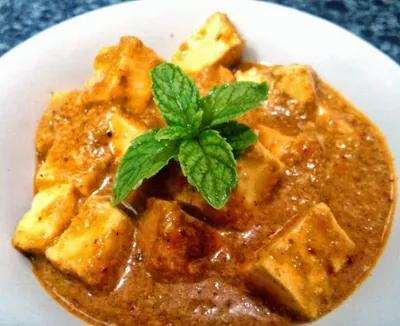
It matters most for families who cook South Asian, Gulf or Bangladeshi food outside the region, where the recipe is in one measuring system and the kitchen is in another. The same applies to dishes like chicken tikka masala and paneer butter masala: pick your units, pick your servings, and go.
Not sure how the pantry check knows what you own? That comes from the three states described in How to Track Your Pantry with Have, Low and Out.
Try it
Degchi is a free beta, and recipe pages like this one are the heart of it. If you would like to try them with your own pantry and your own family, join the Degchi beta with a Gmail address and we will let you know when your invite is ready.
All posts in this guide
- The Degchi App Guide: Every Feature, Explained Step by Step
- How to Set Up Degchi in Five Minutes
- How to Track Your Pantry with Have, Low and Out
- How Degchi Works Out What You Can Cook Today
- Reading a Degchi Recipe: Metric, US Cups and Servings
- Cook Mode in Degchi: Step-by-Step Timers That Ring
- Your Shopping List, Built from Your Pantry
- How to Set Up Your Family in Degchi
- How to Settle "What's for Dinner?" with a Family Vote
- Dish Requests and Weekly Helpers: Getting Everyone Involved
- Meal Times and Reminders: Never Wonder at 6 pm Again
- Add Your Own Family Recipes to Degchi
- Degchi in Urdu, Hindi, Bangla and Arabic: One Kitchen App, Six Languages
- Guest Mode, Google Sign-In, Backup and Privacy in Degchi: What Gets Stored
- Cook Your First Dish in Degchi: Split Chickpea Lentils (Chana Daal)
- Five Weeknight Dishes You Can Cook from a Small Pantry
Related recipes

Related posts

Cook Mode in Degchi: Step-by-Step Timers That Ring
Biryani has six different waiting times and your hands are covered in marinade. Cook mode shows one step at a time and keeps every timer for you.

Meal Times and Reminders: Never Wonder at 6 pm Again
A good reminder arrives before you are hungry and stressed. Here is how to set Degchi's daily nudges, meal times and water reminder, and how to test that they really ring.

How to Settle "What's for Dinner?" with a Family Vote
Degchi turns the nightly "what should we cook?" debate into a short vote. Here is exactly how to start one, collect votes and cook the winning dish.
Degchi in Urdu, Hindi, Bangla and Arabic: One Kitchen App, Six Languages
Many homes cook in one language and talk in another. Here is how Degchi lets every member of the family use the same kitchen app in the language they actually read.