 Degchi
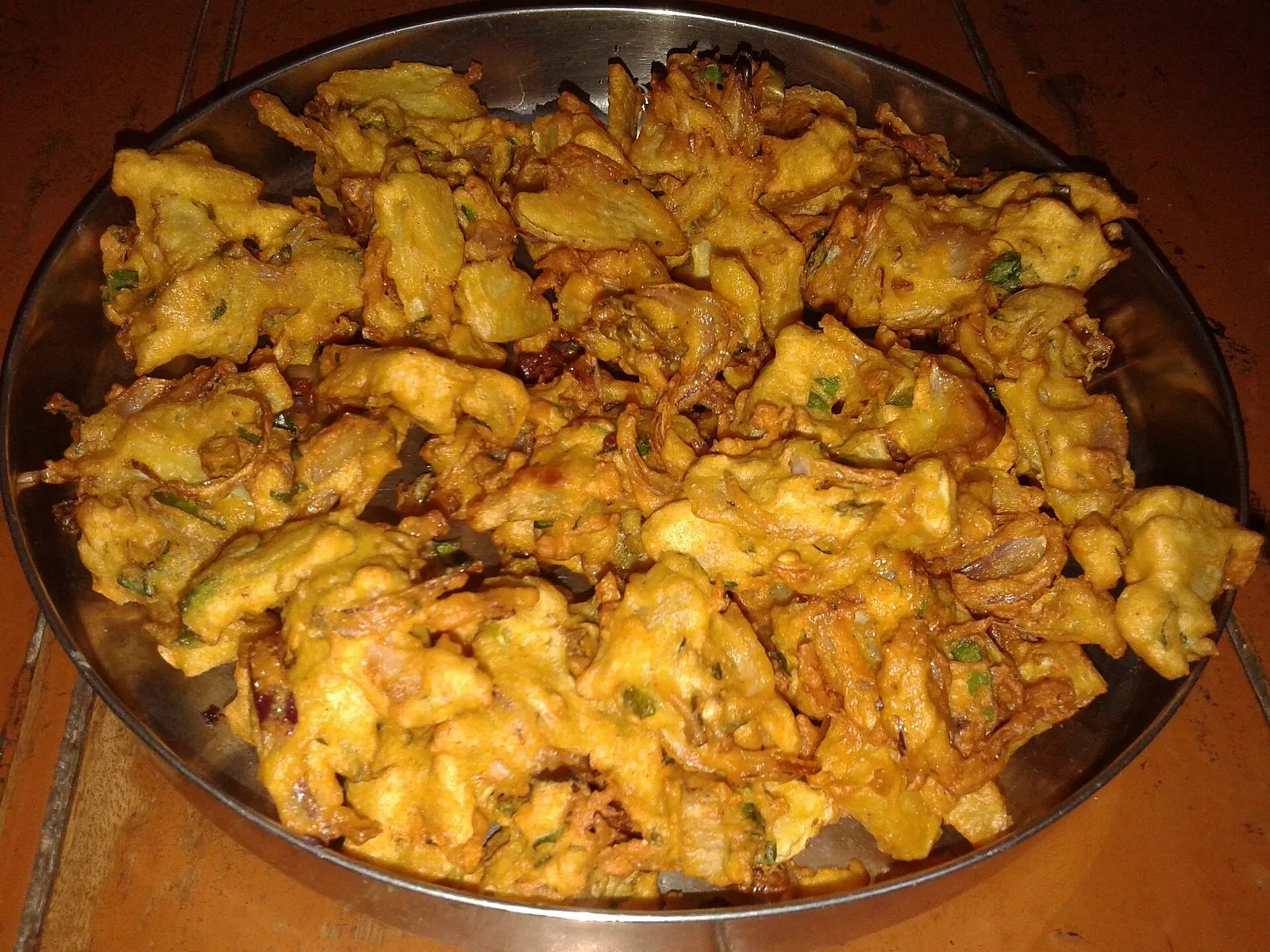
Photo: Harmeet / CC BY-SA 4.0
Besan Storage: Why Gram Flour Turns Bitter
The pakoray that taste wrong
The batter is smooth, the oil is hot, the vegetables are sliced thin. The pakoray come out golden and then you taste one: a flat, faintly bitter, slightly soapy note that no amount of chaat masala hides. Nine times out of ten the problem sits in the bag at the back of the cupboard, not in the technique.
This post is about besan storage: why gram flour changes with time, how to test a bag before you cook with it, and what to keep, freeze or throw away.
Why besan goes off differently from plain flour
Besan is ground from split chickpeas (chana daal). Our flour names guide has the label names for US and UK shops. What matters here is that chickpeas carry more fat and protein than refined wheat flour, and fats in a finely ground flour oxidise once air reaches them. The result is a stale, bitter, sometimes crayon-like smell.
Heat speeds this up. A flour bag in a hot kitchen next to the stove ages faster than the same bag in a cool cupboard. Our atta storage guide describes the same pattern for whole wheat flour, and besan behaves in a similar way.
<!-- VERIFY: that besan oxidises faster than refined wheat flour because of its fat and protein content is general food-science reasoning; no source is attached in our data. Add a source or soften before publishing. -->
The 20-second test
Do this before you scale up a recipe or mix a big batch of batter:
- Smell. Put a spoonful in your palm, warm it with your other hand, and sniff. Fresh besan smells nutty and mild, like roasted chickpeas. Old besan smells like paint, crayons, or a closed cupboard.
- Look. Clumps, webbing, tiny moths or dark specks mean pests. Throw the whole bag away.
- Taste a pinch. A bitter or soapy aftertaste at the back of the tongue means it is past its best. Spit it out if it is clearly off.
- Feel. Damp or lumpy besan has absorbed moisture. Mould risk goes up, so do not cook with it.
If it fails the smell test, it fails. Frying will not rescue it.
Containers that work
- Airtight box or jar with a gasket lid. Glass, steel or food-grade plastic all work. Wash and dry it completely first, because a damp container breeds mould.
- Keep it away from the hob. A shelf at the other end of the kitchen beats the cupboard above the stove.
- Do not top up an old jar. Old flour carries moisture and, sometimes, eggs from pests. Finish the old flour, wash the jar, then refill.
- Label the date. Masking tape and a marker are enough.
Paper or thin plastic sacks from the shop do not block air or pests, so move the flour after you buy it.
Cupboard, fridge or freezer?
| Place | Rough guide | Best for |
|---|---|---|
| Cool cupboard, sealed | A couple of months | Small packs you use weekly |
| Hot, humid kitchen | A few weeks | Not recommended for big bags |
| Fridge, sealed | Several months | Packs you use slowly |
| Freezer, sealed | Many months | Bulk buys |
<!-- VERIFY: all time ranges in this table are rough guides in the same spirit as our atta guide (3 months cupboard, 6+ months fridge, 12+ months freezer); no besan-specific source. Treat as soft. -->
Cold storage works because it slows oxidation and stops pests from hatching. When you take frozen besan out, let the sealed container come to room temperature before opening it, so condensation does not wet the flour.
What to do with besan that is only a little stale
If the flour smells faintly flat but has no pests and no damp, dry-roasting it in a pan over low heat until it smells nutty can cover mild staleness in dishes such as laddu, where it is toasted anyway. For pakoray and kadhi, buy a fresh pack instead. Batter-based dishes have nowhere to hide the flavour. A heavy tadka, as in dal tadka, masks more than a light batter does, but that is not the same as the flour being fine.
<!-- VERIFY: roasting old besan to mask mild staleness is a common home tip, not tested here. -->
Batter habits that avoid the bitter taste
Once the flour is fresh, two cooking habits make a difference. Let the batter rest about 10 minutes so the starch hydrates and loses its raw taste, and add salt and spices to the dry flour before the water. Our pakoray recipe mixes the flour with turmeric, chilli, carom seeds and salt first, then adds water gradually into a thick, lump-free batter. For crisp results see the pakoray batter post.
<!-- VERIFY: the 10-minute rest is common advice; our pakoray recipe does not include a resting step. -->
Roasted besan is a different product
Some shops sell roasted besan or ready-made laddu flour, which has already been toasted. It smells stronger and nuttier, and it can behave differently in batters, so keep it labelled and separate from your raw gram flour. The smell test still applies: if it smells of paint rather than toasted chickpeas, return it or bin it.
Also note that besan is sold under different names. In the US it is usually chickpea flour, and in the UK gram flour. If a recipe calls for "chana flour" and you hold a bag labelled roasted gram, check the colour and smell before you swap one for the other.
A buying and storing plan
- Buy one 500 g to 1 kg pack at a time unless you fry weekly.
- On arrival, decant into an airtight container and write the date.
- Every month, do the smell test, even if it looks fine.
- Freeze any extra and keep a small working jar in the cupboard.
Degchi's pantry tracker lets you mark besan as Have, Low or Out, which stops the double purchase that leads to a second half-used bag going stale.
Recipes with chickpeas Recipes with flour
Related recipes


Related posts
Rainy Day Desi Snacks: 7 Fried and Tangy Plates With Chai
Seven rainy day desi snacks, from pakoray and beguni to samosa chaat and vada pav, with real amounts, frying tips and a plan for serving a hot plate to the whole family.
Pakora Recipe Crispy, Not Oily: Batter and Oil Guide
Pakoras go limp or greasy for two reasons, a thin batter and oil that is too cool. Here is how to get both right.
What Can I Cook With Yogurt? 9 Drinks, Curries and Sweets From Our Recipes
Yogurt (dahi) is a drink, a marinade, a curry base and a dessert starter. Nine dishes from our recipes, how to keep it from splitting, and how long it lasts.