 Degchi
Ramadan Meal Planning: Sehri and Iftar Ideas That Save Time
Two meals, two very different moods
Ramadan compresses a household's cooking into two fixed windows: sehri, eaten before dawn while most of the house is still half-asleep, and iftar, broken together at a fixed moment at sunset. The two meals need almost opposite planning. Sehri has to be fast, easy to eat without much appetite, and genuinely sustaining. Iftar has more time to prepare in advance but needs to land exactly on time, usually for the whole family at once.
Sehri: build around what keeps you going, not what tastes exciting
The purpose of sehri isn't really a full dining experience — it's giving the body enough steady fuel and fluid to get through a long fasting day. A few practical rules make this easier:
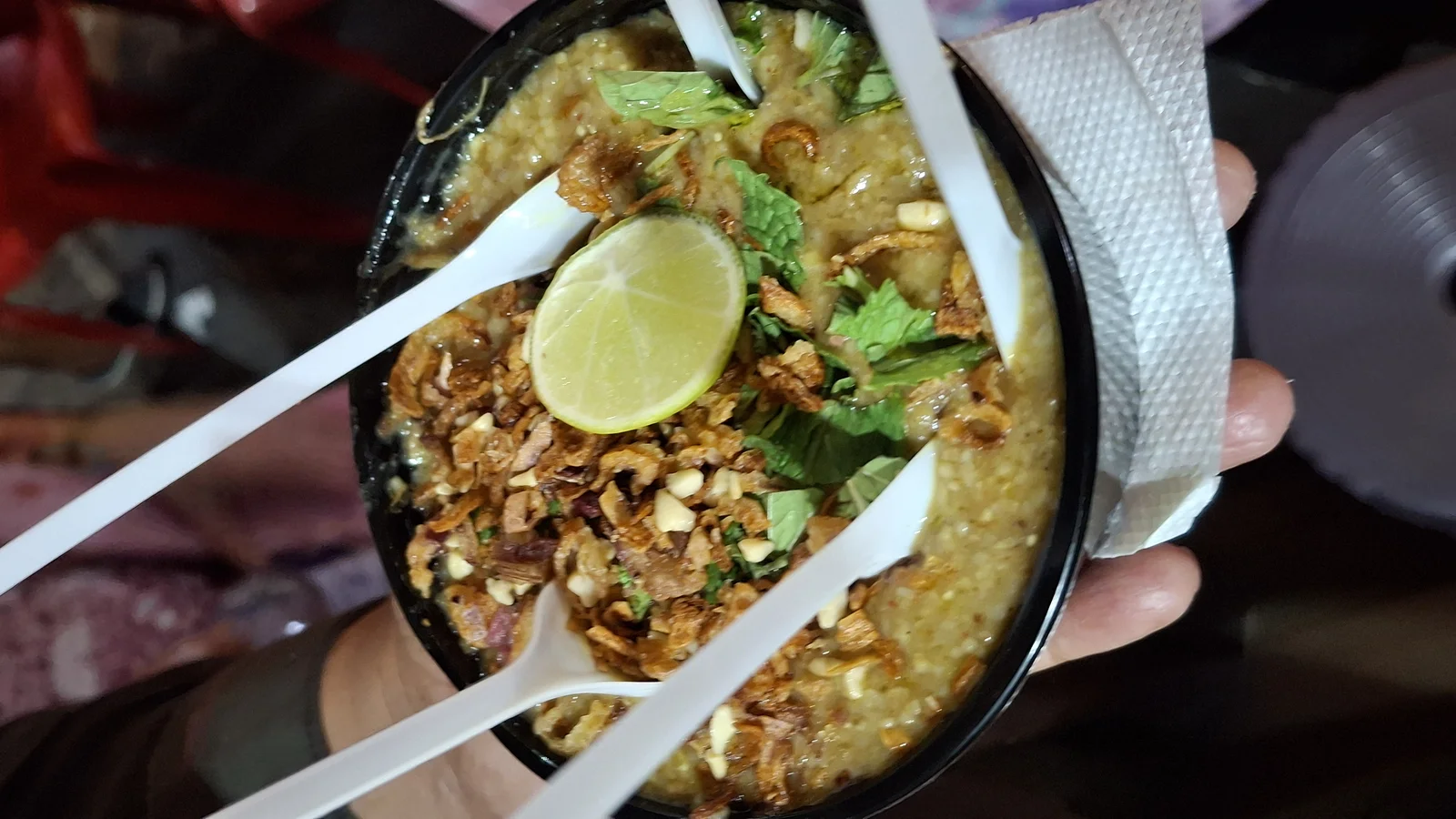
- Favour slow-release food over quick carbs. Whole grains, lentils (daal), and protein hold longer than refined carbohydrates alone. Khichdi — rice and lentils together — is a genuinely good sehri choice for exactly this reason, not just because it's easy to make half-asleep.
- Drink water steadily through the sehri window, not all at once right before the fast starts. A large amount of water gulped in the final minutes mostly passes through rather than hydrating the body for the day ahead; spreading intake across the sehri period works better.
- Keep sehri simple enough that nobody has to fully wake up to cook it. This is the meal most likely to get skipped if it's complicated — a bowl of daal-chawal, a paratha with yogurt, or eggs on bread cover most mornings without real decision-making at 4am.
- Go easy on very salty or very heavily fried food. Both increase thirst later in the day; sehri is one of the few meals where "less seasoning" is genuinely the more comfortable choice.
Iftar: the one meal that has to be on time
Iftar is traditionally opened with dates and water (or milk) before anything else — a practice with a long Sunnah basis, and one that also happens to be practical: a small amount of natural sugar and fluid after a full day's fast settles the stomach before a heavier meal follows. After that:
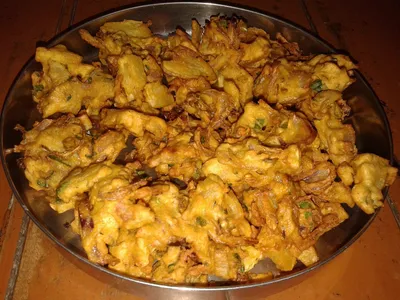
- Fried starters in moderation, not as the whole meal. Pakoray, samosas, and other fried snacks are a genuine part of most South Asian iftars, but a plate made up entirely of fried food on an empty stomach tends to cause discomfort rather than satisfaction. Pakoray alongside something lighter balances this better than fried food alone.
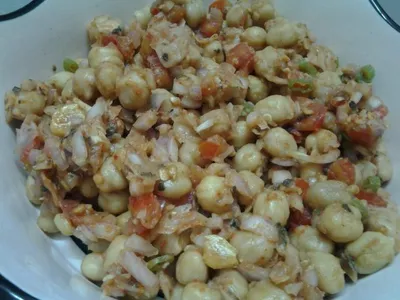
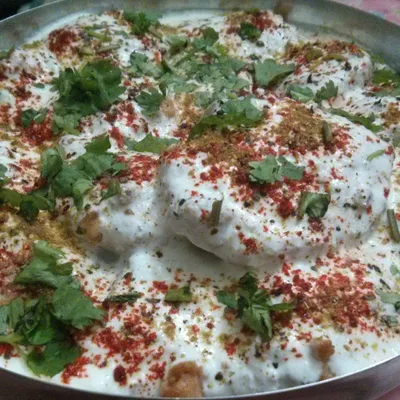
- A cold, tangy dish helps reset appetite before the main meal. Chana Chaat or Dahi Baray — both commonly served at iftar — work partly because the acidity and cold temperature genuinely help after a long fast, not just because they're traditional.
- The main meal doesn't need to be elaborate every single night. Rotating two or three main dishes across the month (a curry one night, a pulao or biryani another, a simple daal-chawal on a lighter night) keeps the cooking manageable without the meal feeling repetitive, since the starters and sides change daily even when the main dish doesn't.
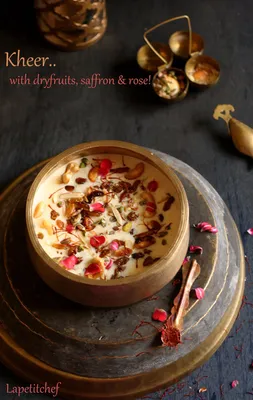
- Something sweet closes the meal, but doesn't need to be heavy. Kheer is a common iftar closer precisely because it's gentle on a stomach that's already eaten a full meal, unlike very rich or very sugary desserts.
Planning across the whole month, not meal by meal
The real time-saver in Ramadan isn't any single recipe — it's deciding the week's sehri and iftar menus in one sitting rather than redeciding every afternoon when energy is lowest. A simple approach: pick three or four sehri options and three or four iftar mains, and rotate them through the month rather than trying to cook something new every day. This also makes the shopping list predictable, since the same core ingredients (lentils, yogurt, dates, chickpeas, flour) get reused across most of the rotation.
Degchi's family poll and meal-timing features are built for exactly this rhythm — the household can set sehri and iftar times once for the month, and the app reminds the cook ahead of each window instead of everyone finding out dinner is late by checking the clock themselves.
FAQ
Why do dates specifically open the fast, rather than any other food?
Breaking the fast with dates is a long-standing Sunnah practice, and dates also happen to offer a quick, easily digested source of natural sugar and some fibre — a combination that settles an empty stomach more gently than a large or fried first bite would.
Is it better to eat a large sehri or a smaller one closer to the fasting window?
A moderate sehri eaten closer to the end of the permitted window (rather than a very early, very large one) tends to sustain most people better through the day, since food eaten with more hours left before the fast starts is more fully digested and used up earlier, leaving less to carry through the afternoon.
How much should iftar actually be planned in advance versus cooked same-day?
Items like the main curry base, chopped vegetables for chaat, or batter for pakoray can usually be prepped earlier in the day so the actual iftar-time cooking is just finishing and frying, which matters because the window between the adhan and the table being ready is usually short.
What's a realistic way to avoid the same three dishes every iftar for 30 days?
Keep the main dish rotation small (three or four) but vary the starters and sides daily — chaat one day, pakoray another, a simple salad or fruit chaat a third — since most of the sense of variety in an iftar spread comes from the smaller dishes changing, not from reinventing the main course nightly.
Related recipes
Related posts
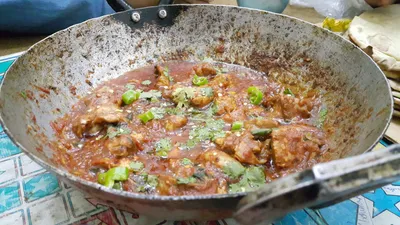
Desi Mains: Which Suit Lunch and Which Suit Dinner?
Most desi mains work at either meal, so the real question is time and weight. Here are 20 dishes sorted by how long they take and when that time actually exists.

Feeding Teenagers During Exams: A Calm Family Dinner Plan for Desi Households
Exam season is stressful for everyone at home. A simple dinner plan keeps teenagers fed and the household calm without cooking more than you have to.
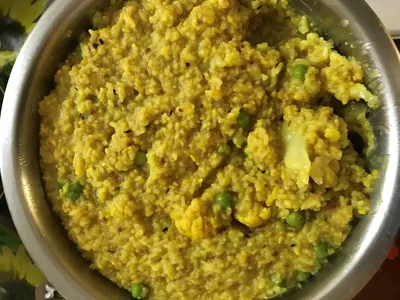
Nearly Empty Pantry? A Three-Day Dinner Plan Before the Next Grocery Run
The day before payday or a big shop, the cupboards look bare. Here is a three-day plan that turns what is left into real dinners.
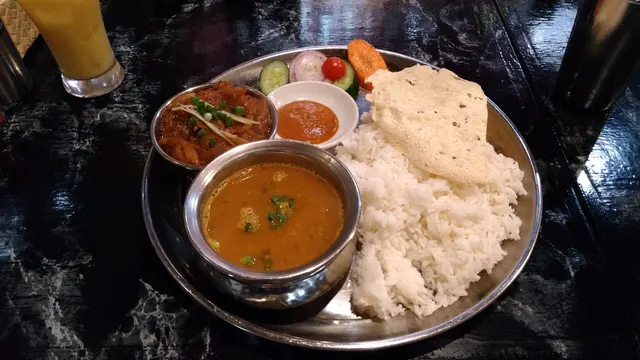
What Can I Cook With What I Have? A Five-Minute Pantry Method
You probably have a dinner in your kitchen already. Here is the five-minute method we use to find it, with real examples from South Asian home cooking.