 Degchi
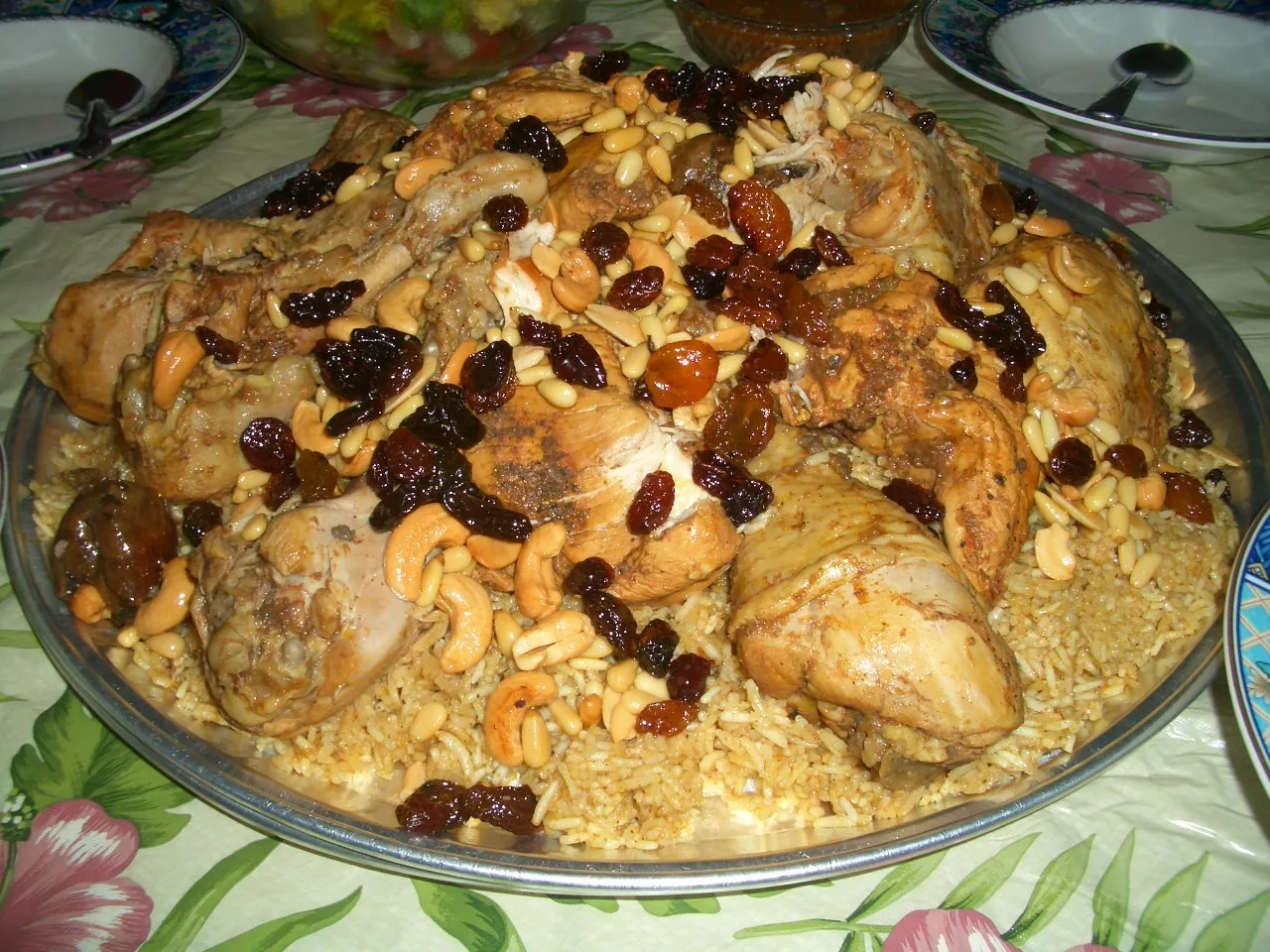
Lamb Kabsa for 12: How to Scale It Without Mush
You are hosting 12 and the recipe says 4
Lamb kabsa is a natural dish for a family lunch or Eid gathering, because it is one big platter. But the recipe in our library serves 4, and tripling a rice dish is where people end up with a gummy bottom layer and undercooked top. This post covers the numbers, the pot and the schedule.
For the base method, see our kabsa at home post. Here we only deal with scaling. The numbers come from our lamb kabsa recipe: 1 kg (2.2 lb) lamb, 400 g (2 cups) basmati, 2 onions, 3 tomatoes, 2 tbsp tomato paste, 5 garlic cloves, 1 tbsp ginger, 2 dried limes (loomi), 1 tbsp baharat, 3 tbsp ghee, about 1.5 litres of water, and nuts and raisins on top.
The scaled shopping list
Tripling gives you the following. Treat it as a starting point, not a perfect formula.
| Ingredient | For 4 | For 12 |
|---|---|---|
| Bone-in lamb | 1 kg (2.2 lb) | 3 kg (6.6 lb) |
| Basmati rice | 400 g (2 cups) | 1.2 kg (6 cups) |
| Onions | 2 | 6 |
| Tomatoes | 3 | 9 |
| Tomato paste | 2 tbsp | 6 tbsp |
| Garlic | 5 cloves | 15 cloves |
| Baharat | 1 tbsp | 3 tbsp |
| Dried limes | 2 | 5 to 6 |
| Ghee | 3 tbsp | 9 tbsp |
<!-- VERIFY: spices and dried limes do not always scale perfectly in a bigger pot; 5 to 6 loomi is our estimate. Season to taste. -->
Salt separately and taste the broth before the rice goes in. Spices tend to scale a bit lower than the meat, so add the last third in stages.
Pot size is the real constraint
A pot that holds 1.5 litres of liquid for 4 people becomes a pot with 4.5 litres of liquid plus 3 kg of meat plus 1.2 kg of rice. That is far too much for a normal 5-litre pot. You will need a very large stockpot (15 litres or more) or you should cook in two pots.
Two pots is the safer choice at home. It also solves the evenness problem: a deep column of rice cooks unevenly, with a soggy base and a firm top, while two shallower layers cook the same way as in the recipe. Make two batches of 6 and combine on one platter.
<!-- VERIFY: advice on pot volume and "two pots" is practical kitchen advice, not from our recipe data. -->
Use heavy pots with tight lids, the kind described in our heavy-bottom pot post.
The rice rule: 1 part rice to 1.5 parts broth
Our recipe gives a clear ratio: about 1 part basmati to 1.5 parts strained broth by volume, which is 2 cups of rice to 3 cups of broth (400 g rice to 700 ml). Straining the broth is what gives fluffy rice.
For 12 people that is 6 cups (1.2 kg) of rice to 9 cups (about 2.1 litres) of broth, if you cook it all in one pot. If you split into two pots, each gets 3 cups of rice and 4.5 cups of broth. Check you will have enough broth: top up with water if the meat has reduced it too much.
Meat first, rice later
Lamb takes the longest, and the timing does not shorten when you cook more of it. The recipe says to simmer on low until the lamb is tender, about 70 minutes, with large bone-in pieces or shanks taking up to 90. With 3 kg, give yourself the full 90 and check one large piece with a fork.
Brown the meat in batches. A crowded pot steams instead of browning, and the broth ends up pale. In a big pot, do two or three batches of lamb.
A schedule for a 1:00 pm lunch
Work backwards from the time you want to eat.
- 8:00 am soak the rice in water for 20 minutes (do this closer to cooking).
- 8:20 am fry the sliced onions in ghee until golden, about 7 minutes per batch.
- 8:45 am add garlic, ginger and baharat for 1 minute, then brown the lamb with the tomatoes and paste.
- 9:30 am add the dried limes, salt and water to cover, then simmer 70 to 90 minutes.
- 11:15 am lift out the lamb and strain the broth; measure it.
- 11:30 am drain the rice, add it to the broth with the saffron, and bring to a boil.
- 11:35 am lower the heat, put the lamb on top, cover tightly and cook about 20 minutes without lifting the lid.
- 12:00 pm rest 5 minutes off the heat, then fluff.
- 12:15 pm plate with fried raisins and nuts.
The late start leaves a 45-minute cushion before 1:00 pm, which you will want on the first attempt. Lamb that is not tender needs 15 to 20 minutes more, and you can hold finished kabsa covered and warm for a while without harm.
What to put on the table beside it
Kabsa is served with a tomato salad or chopped cucumber, a chilli sauce and plain yogurt. Laban is the drink. If you want a starter, a bowl of hummus with bread keeps people busy while the rice rests. For a different crowd-sized rice platter, maqluba is the upside-down option.
If there is food left over, see our kabsa and machboos leftovers post. Cool the rice within about 1 hour, keep it in the fridge no more than 1 day, and reheat until steaming hot.
The common mistakes at this scale
- One giant pot for everything. Use two.
- Skipping the broth measurement. More rice than broth fits means gummy rice.
- Lifting the lid. The steam escapes and the top layer stays raw.
- Adding all the rice at once into a boiling pot without checking the salt.
If you track what is already in your cupboard, Degchi can flag the baharat and loomi you are missing before you shop: try the pantry check at degchi.matrixinn.net/#try.
Related recipes

Related posts
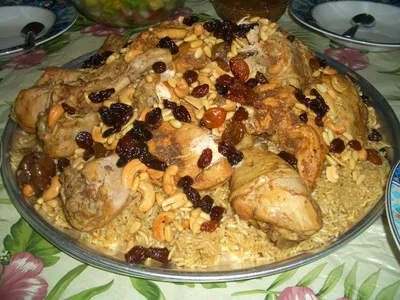
How to Make Kabsa at Home: Spices and Method
Kabsa is a one-pot rice and meat dish where the broth does the work. This guide follows our lamb kabsa recipe, with the rice ratio, the spice list and a chicken route through the closest recipe we have.
How to Host a Mezze Night at Home
A mezze spread looks impressive and is mostly made ahead. Here is a menu from our library, a timeline, and what to cook on the day.