Degchi
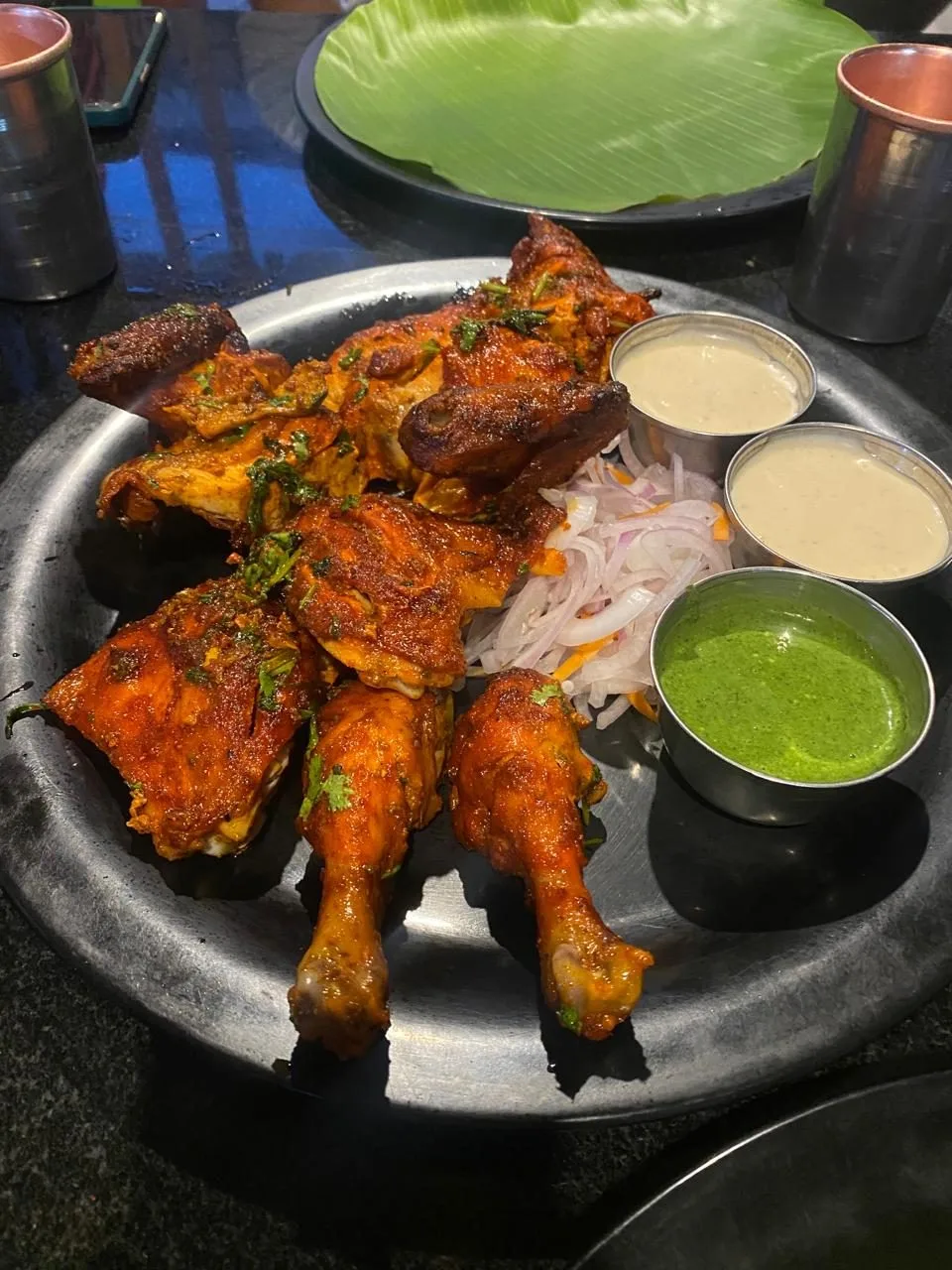
Tandoori Chicken vs Chicken Tikka: Which to Make
You want charred, yogurt-marinated chicken for dinner, and the recipe search gives you two names that look identical. Tandoori chicken and chicken tikka use similar spices and a similar marinade, so which one do you make?
Short answer: tandoori chicken is bigger pieces, longer marinade, roasted. Chicken tikka is smaller pieces on skewers, faster, grilled or broiled hot. Our two recipes, tandoori chicken and chicken tikka, show the split clearly.
Side by side
| Tandoori chicken | Chicken tikka | |
|---|---|---|
| Chicken | 1 kg (2.2 lb), pieces with skin scored | 1 kg (2.2 lb), bone-in curry-size pieces, skin removed |
| Yogurt | 200 g (3/4 cup) | 200 g (3/4 cup) |
| Chilli | 2 teaspoons red chilli powder | 1 tablespoon red chilli powder |
| Marinade time | At least 4 hours, ideally overnight | At least 3 hours, overnight better |
| Cooking | Roast on a rack about 25 minutes | 18 to 20 minutes at 240 C (465 F) on skewers |
| Basting | Melted butter | Oil |
The two recipes land close together on numbers. The practical differences are in how you cook, not what goes in the bowl.
The cut and the skin
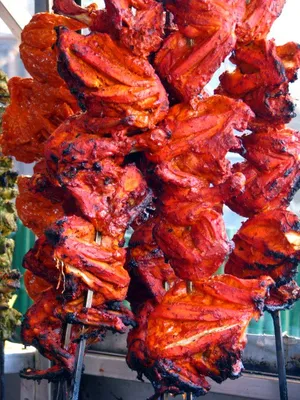
Tandoori chicken traditionally keeps the skin, scored with shallow cuts so the marinade gets in. The skin blisters and chars at the edges. Chicken tikka in our recipe is skinless, with two or three deep slits in each piece. With no skin, the yogurt coat does the browning, so a thick marinade matters.
If you want a boneless tikka, cut thigh into 3 to 4 cm (1.5 in) cubes and cut the time to around 12 to 15 minutes. Our malai boti post covers that cube-style version with a milder marinade.
Marinade: time and thickness
Both recipes say a longer, overnight marinade gives deeper flavour and a more tender bite than a quick 1-hour soak. Do not skip the drying step: pat the chicken completely dry before coating.
For tikka, the recipe tip adds something that applies to both: use thick yogurt, and if yours is watery, hang it in a cloth for 30 minutes first. A thin marinade slides off and the chicken steams instead of charring.
Stay under 24 hours when lemon juice is involved. Acid keeps working and the surface can turn dry and slightly chalky.
Oven settings
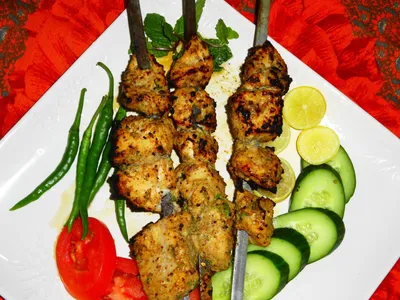
For tikka, preheat to 240 C (465 F) with a rack in the upper third. Put a tray underneath for drips. Cook 18 to 20 minutes, turn halfway, brush with oil, and finish 1 to 2 minutes under the broiler for char.
For tandoori chicken, preheat the oven or grill to its highest setting. Arrange the pieces on a rack and roast about 25 minutes, turning once, with butter basted on halfway. Large bone-in pieces take longer than skewered ones, so use a thermometer.
The target for both is 74 C (165 F) in the thickest part of the chicken. Rest 2 to 5 minutes before serving.
Which one for which night
- Weeknight, under an hour of hands-on time: tikka, or boneless cubes from the tikka marinade. A 3-hour marinade is enough if you start at lunch.
- Weekend, feeding a crowd: tandoori, marinated overnight and roasted on a rack. Less turning, less attention.
- Mixed ages at the table: make malai boti for children and tikka for adults from one batch of chicken.
- No skewers: tandoori on a rack needs none. Tikka also works on a baking tray if you do not mind less even colour.
What to serve alongside
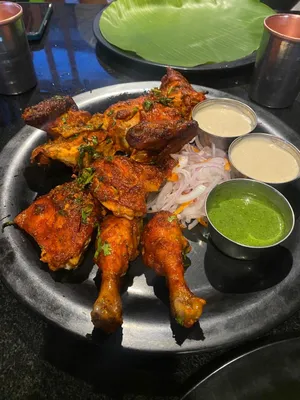
A simple plate does more than a complicated one. Slice a red onion into rings, add a squeeze of lemon and a pinch of chaat masala, and put out a bowl of mint chutney. Warm naan or roti finishes the plate. For a bigger spread, add a pot of daal such as our daal recipe, and a cucumber raita on the side. The raita cools the chilli for anyone who wants it.
Mistakes that apply to both
- Marinating wet chicken
- Thin, watery yogurt
- Crowding the tray so the chicken steams
- Pulling it from the oven before 74 C (165 F)
- Skipping the rest, so the juices run onto the board
Leftovers
Both keep about 3 days in the fridge in a covered container, cooled within an hour of cooking. Reheat in a hot oven or a pan until steaming hot rather than in the microwave, which makes the skin and char rubbery. Cold tikka is also good sliced into a roll with onion and chutney.
Food colour: your choice
Our tikka recipe lists optional food colour (1/4 teaspoon). The deep red-orange of restaurant tikka often comes from colour as well as chilli. Skipping it gives you a browner, more natural look that tastes the same. The tandoori recipe leaves it out.
Serving
Both go well with mint chutney, onion rings, lemon wedges and naan. Tikka also folds into wraps and rice bowls the next day, and tandoori leftovers shred well into biryani or a salad.
When you are deciding between the two for a family dinner and the yogurt is already low, try the Degchi pantry tool to see which recipe your kitchen can actually make tonight. <!-- VERIFY: acid in lemon juice can leave chicken dry/chalky when marinated very long; food colour gives restaurant-red look -->