 Degchi
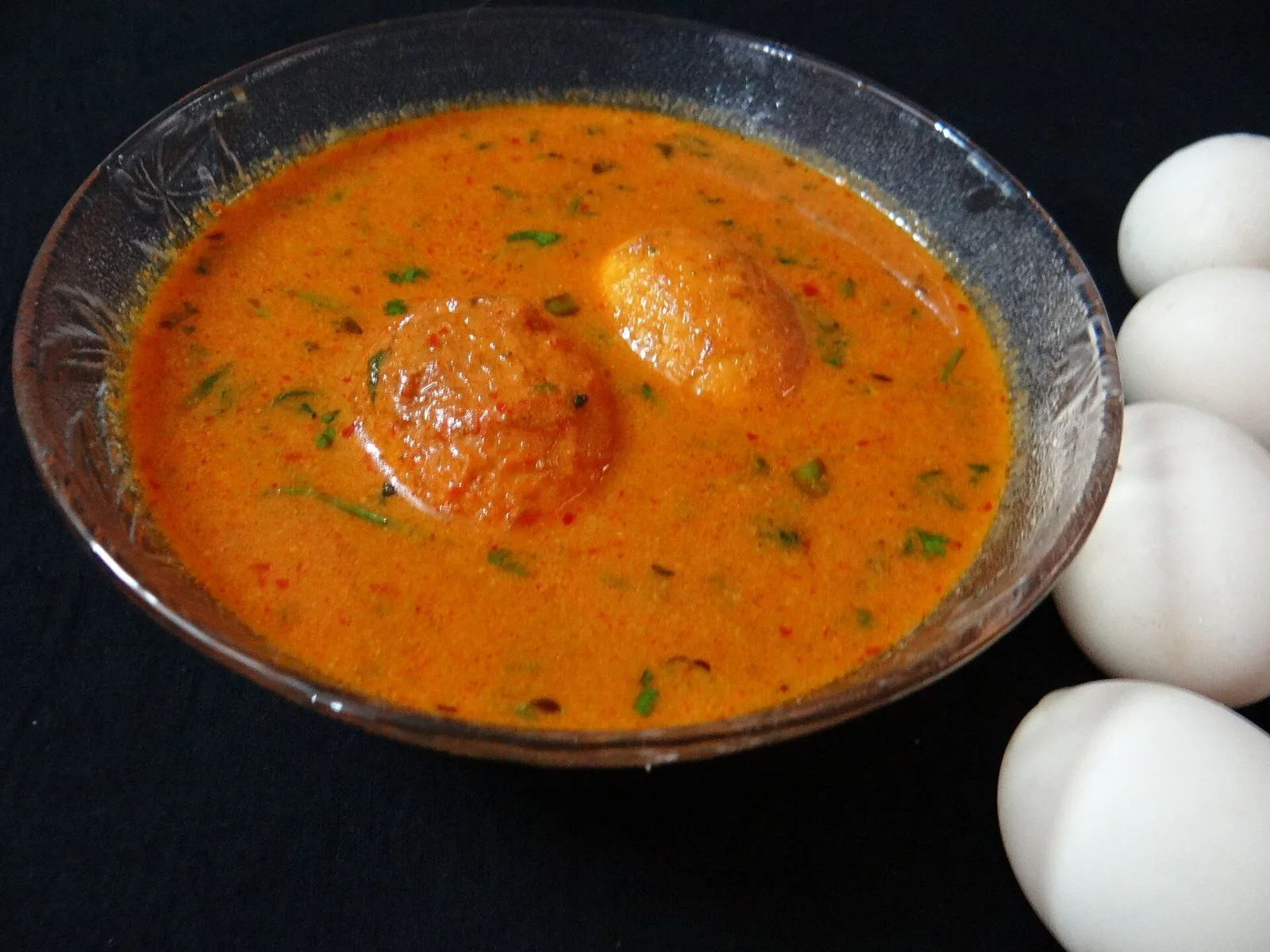
Photo: Mdsmds0 / CC BY-SA 4.0
Desi Cooking for Students: Real Food From a Shared Kitchen and a Tight Budget
The first week is the hardest
Many students arrive with a suitcase, a laptop, and no idea how to feed themselves beyond instant noodles. Then the homesickness hits, usually around the third takeaway. Food from home is one of the quickest ways to feel settled, and it is cheaper than you think once you know a handful of dishes.
This guide assumes a shared kitchen, limited shelf space, and a budget that is already stretched. Nothing here needs special equipment.
Build a tiny spice kit
You do not need twenty jars. Start with seven: salt, turmeric, red chilli powder, cumin seeds, coriander powder, garam masala, and black pepper. Buy the smallest bags first. If you share a flat, agree who buys what so you do not end up with three half-used packets of the same thing.
Add a few staples that keep well: red or yellow lentils, rice, a bag of onions, garlic, ginger, tinned tomatoes, and oil. With these, you can cook most of the dishes below. See our list of pantry starters for a first kitchen if you want a longer checklist.
Five forgiving dishes
Choose dishes that survive mistakes. If you are a little late taking the pot off the heat, they should still taste good.
- Egg curry. Eggs are cheap and quick. A simple anda curry of onion, tomato, and spices is ready in under thirty minutes and works with rice or bread.
- Moong daal. Daal moong cooks fast without soaking, and one pot gives you two or three meals.
- Khichdi. Rice and lentils cooked together. Khichdi is the dish to make when you are tired, unwell, or out of ideas.
- Egg fried rice. A good use for leftover rice and whatever vegetables are going soft in the fridge. See egg fried rice.
- Chana masala. Tinned chickpeas make chana masala a ten-minute-prep meal that feels like a proper dinner.
Cook two of these on a Sunday and you will have lunches for several days.
Shared-kitchen manners
Shared kitchens run on small courtesies. Wash your pan the same evening. Label food you keep in the communal fridge with your name and the date. Be considerate with strong smells: open the window, use the extractor fan if there is one, and cook the fragrant dishes at times when the kitchen is quiet.
If you eat halal and your flatmates do not, a short, friendly conversation early on helps. Ask for a separate chopping board and a pan you can keep for your own use. Most people are happy to oblige when asked politely.
Storing leftovers without getting ill
Student kitchens can be warm and crowded, so be careful with leftovers. Cool cooked rice and curry quickly, ideally within about an hour, then put them in the fridge in a covered container. NHS guidance suggests eating leftover rice within a day, and that is a sensible rule for anyone cooking in a shared space. Reheat food until it is steaming hot all the way through, and only reheat it once. If you are not sure whether something is safe, throw it away. This is general guidance, so check your own country's food safety advice.
A budget routine that works
Shop once a week with a list, not a mood. Look at what is already in your cupboard before you leave. Buy rice, lentils, and spices in larger bags at an Asian grocery store, where they are often much cheaper than in a standard supermarket, but only if you have the space and will really use them.
Frozen vegetables are an underrated friend. They cost less than fresh, they do not rot at the back of the fridge, and they go well in daal, rice, and curries.
If you share cooking with flatmates, take turns. One person cooks a large pot twice a week, the others wash up and buy the next shop. It saves money, it saves time, and it is more fun than eating alone.
Keeping track of what you have
The most common student food waste is simple forgetting: half a tin of tomatoes, a lonely onion, and a bag of lentils bought twice. A quick note on your phone helps. If you would like something built for the job, the Degchi app, currently in beta, lets you list what is in your pantry and suggests dishes you can cook from it. You can sign up for the beta through our website.
Whatever you use, the goal is the same: look before you shop, cook what you have, and enjoy a plate of home when you need it most.
A simple week to start with
Sunday: cook a pot of daal and a tray of rice. Monday and Tuesday: daal with rice, plus whatever vegetables you have. Wednesday: egg curry with bread. Thursday: chana masala from the tin. Friday: egg fried rice from leftover rice that was cooled and stored properly. Saturday: treat yourself, or cook with friends. After a few weeks you will know which dishes you love, and cooking will stop feeling like a chore and start feeling like part of your day.
Recipes with chickpeas Recipes with lentils
Related recipes

Related posts
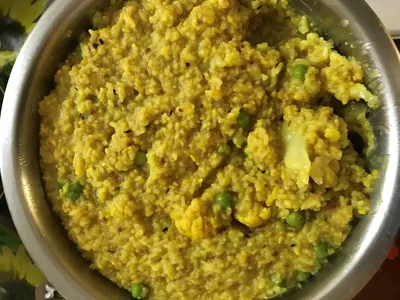
A Student Meal Plan With One Pot and a Rice Cooker
Two pieces of kit, five weekday dinners. A plan for students with a single hob ring, a rice cooker and about 40 minutes a night.
Shared Student Kitchen Meal Plan: One Shelf, Four Dinners
Two hob rings, one shelf, five housemates. A student meal plan built around what fits in your space and which dishes need only one pan.
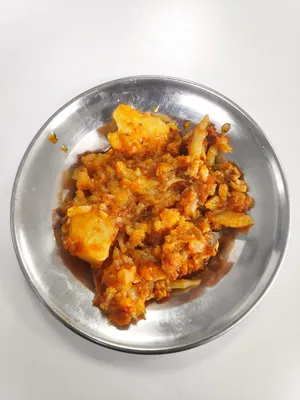
What to Stock First in a New Kitchen: A Realistic Pantry Starter List
You do not need forty jars on day one. Buy a short core first, add on a schedule, and cook real dinners from week one. Here is the order we would use.