 Degchi
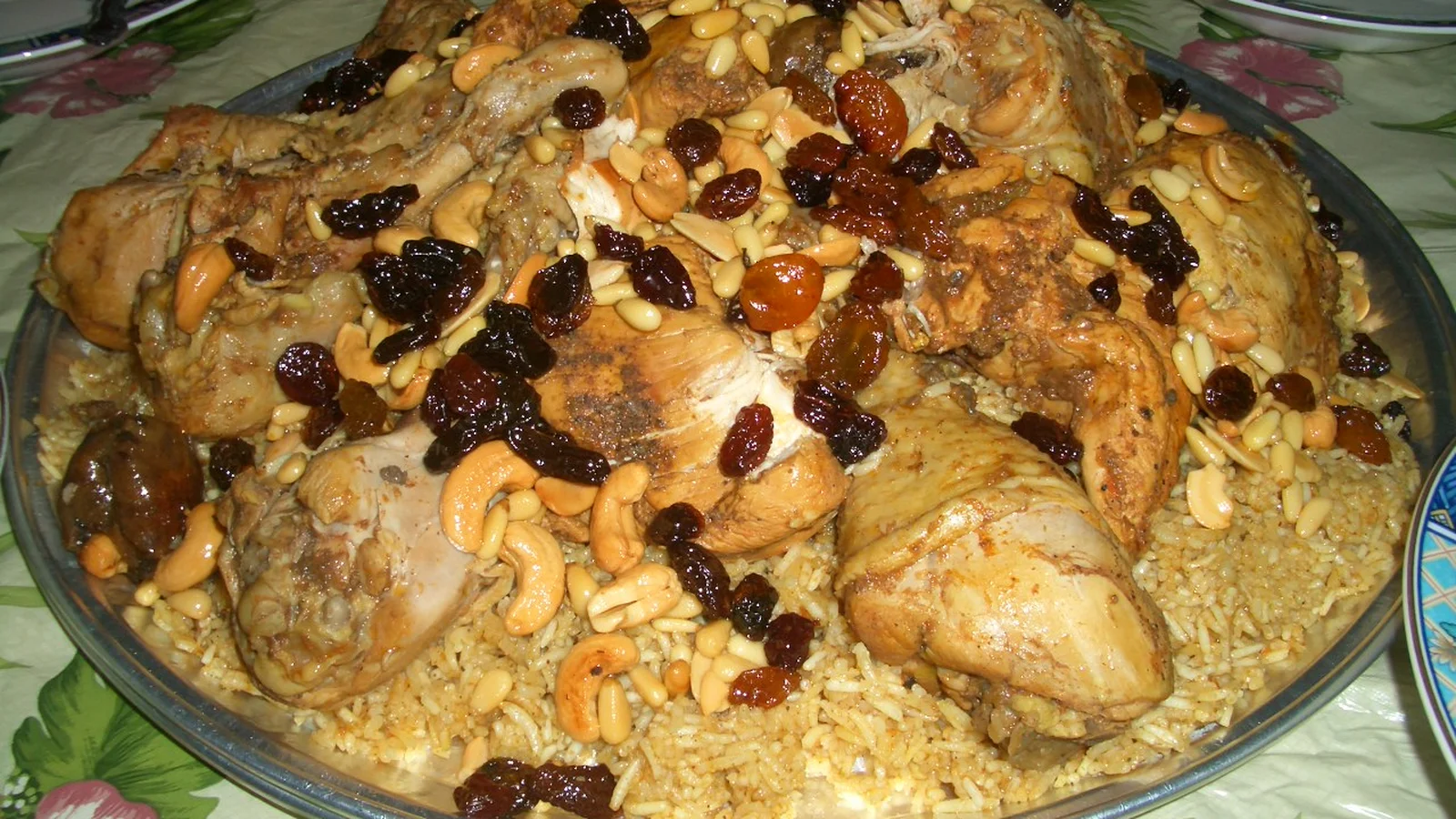
Gulf Home Favourites: Kabsa, Machboos and Mandi Explained
Three dishes that look alike and aren't the same
Walk into a home kitchen anywhere from Riyadh to Dubai to Manama and ask what's for dinner, and you'll hear kabsa, machboos, and mandi mentioned almost interchangeably by newcomers to the region — and almost never confused by anyone who grew up eating them. All three are built on the same foundation (spiced, long-grain rice, usually basmati, cooked with meat or chicken), but the spicing, the cooking method, and even the geographic home of each dish are genuinely different.
Kabsa: Saudi Arabia's everyday rice dish
Kabsa is most strongly associated with Saudi Arabia, though it's eaten across the Gulf. Its defining flavour comes from a specific spice blend — often including black lime (loomi), cardamom, cinnamon, cloves, and black pepper — cooked into the rice itself along with tomato, giving kabsa a noticeably reddish-brown colour and a tangy, slightly sour note from the dried lime. The meat (chicken, lamb, or occasionally camel on special occasions) is typically cooked in the same pot as the rice, or roasted separately and served on top, rather than the pit-cooking method used for mandi.
Machboos: the Bahraini-Kuwaiti rice dish
Machboos (also spelled majboos) is the dish most associated with Bahrain, Kuwait, and Qatar. It shares kabsa's basic structure but typically leans on a different spice profile — baharat (a regional mixed-spice blend) and dried lime again, but often with a slightly sweeter undertone from dried fruit like raisins, and sometimes a notably darker rice colour from the browning of onions and whole spices before the rice goes in. The name itself comes from the Arabic verb for "pressed" or "packed down," referring to how the rice is tightly packed with the meat during cooking.
Mandi: Yemeni and Hadhrami in origin, cooked differently
Mandi's roots trace to Yemen, specifically the Hadhramaut region, and its defining feature is the cooking method rather than the spice blend. Traditional mandi is cooked in a pit oven — a tandoor-like underground oven called a "madfun" or similar pit — where the meat is suspended above the rice so its juices drip down into the rice as both cook together in enclosed heat, without the meat ever touching the rice directly. This gives mandi a distinctive smoky flavour that kabsa and machboos, usually cooked in a standard pot, don't have. Mandi's rice is also typically lighter in colour and less heavily spiced than kabsa, since the dish relies on the smoke and the meat's own fat for flavour rather than a tomato-forward or deeply spiced rice base.
A fast way to tell them apart
- Colour of the rice: kabsa tends toward red-brown (tomato), machboos toward a darker brown (caramelised onion and baharat), mandi toward pale yellow or white (saffron or turmeric, lightly spiced).
- Cooking method: kabsa and machboos are pot-cooked; mandi is traditionally pit-cooked with the meat suspended above the rice.
- Country of strongest association: kabsa with Saudi Arabia, machboos with Bahrain/Kuwait/Qatar, mandi with Yemen (though all three now appear on restaurant menus across the whole Gulf region and beyond).
- Smokiness: mandi has it built in from the cooking method; kabsa and machboos don't, unless a cook deliberately adds smoked flavour (a technique called "tashteep" or similar smoking methods used in some home kitchens).
Cooking a Gulf-style rice dish without a pit oven
A home kitchen without an underground oven can still approximate the kabsa and machboos family convincingly, since both are genuinely pot-cooked dishes to begin with — a heavy pot, browned onions and whole spices, meat cooked either in the pot or roasted and served on top, and basmati rice cooked in the resulting stock. Getting an authentic pit-smoked mandi flavour at home is harder without specialised equipment, though some home cooks approximate it with a brief stovetop-smoking technique using a small piece of charcoal in a covered bowl set inside the pot.
Degchi's Chicken Biryani and Chicken Pulao recipes share the same basic "meat cooked, rice layered or combined, finished together" structure as kabsa and machboos, and are a reasonable starting point for anyone wanting to feel out the technique before adapting the spice blend toward loomi, baharat, and cardamom.
FAQ
Are kabsa and machboos basically the same dish with different names?
They're closely related and sometimes used loosely, but the spice profile and rice colour genuinely differ — kabsa leans tomato and reddish, machboos leans baharat-and-onion and darker brown — so a careful cook or diner in the Gulf will distinguish them by taste and appearance, not just by name.
Why does mandi taste smokier than kabsa?
It's the cooking method, not a specific spice — traditional mandi is cooked in a sealed pit where the meat hangs above the rice over hot coals or wood, so the smoke itself flavours both the meat and the rice as they cook, something a standard stovetop pot can't replicate without a deliberate smoking step.
Which of the three is spiciest in terms of heat (not just flavour)?
None of them are typically built around chilli heat the way South Asian curries are — all three rely on warm, aromatic spices (cardamom, cinnamon, cloves, black lime) rather than capsaicin-driven heat, so "spicy" in the Gulf-rice-dish sense usually means richly spiced, not hot.
Can I make an approximate version without black lime (loomi)?
A squeeze of fresh lime juice plus a little extra black pepper gets closer to the tang loomi provides than leaving it out entirely, though dried black lime has a distinct, slightly fermented sourness that fresh lime juice doesn't fully replicate — worth seeking out at a Middle Eastern grocery if you plan to make these regularly.
Related recipes
Related posts
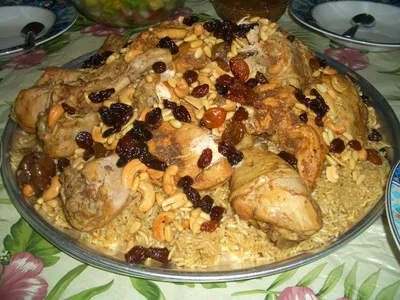
How to Make Kabsa at Home: Spices and Method
Kabsa is a one-pot rice and meat dish where the broth does the work. This guide follows our lamb kabsa recipe, with the rice ratio, the spice list and a chicken route through the closest recipe we have.
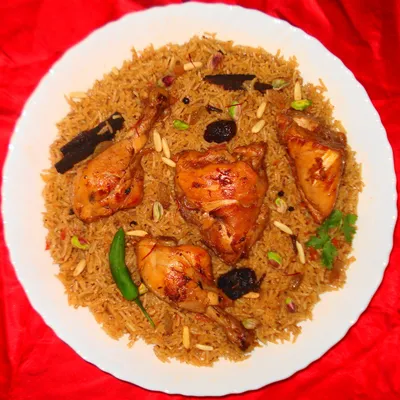
Machboos vs Kabsa: What Is the Difference?
They look alike, taste alike and are often used as synonyms. Here is what actually separates machboos from kabsa, what sources disagree on, and the rice ratio that works for both.